



A daughter eases her father forward from a recliner. His hands press into the walker, the walker slides across the rug, and both of them pause halfway up. Nobody wants to turn a routine transfer into a wrestling match, but nobody wants to buy a large piece of equipment that sits unused, either.
That moment leads families to search for standing assistive devices, even though the phrase covers several very different solutions. The right choice depends on the job: a caregiver may need help with one sit-to-stand transfer, a patient may need a structured standing program, a wheelchair user may want integrated power standing, or an older adult may need only a light handhold for daily confidence. Your feet, footwear, and standing comfort matter too, so a resource such as comfort insoles for long shifts can be useful when standing is part of a longer daily routine.
Why Standing Matters and Who This Guide Is For
Standing isn't one activity with one solution. It may be a transfer, a therapeutic exercise, a wheelchair function, or a brief moment of support before walking.
The transfer caregiver needs a device that helps a person rise from a bed, chair, or commode while keeping the caregiver out of the lifting role.
The rehabilitation user needs equipment that provides enough alignment and support to tolerate repeated upright sessions safely.
The wheelchair user may need a power standing wheelchair that integrates standing without a separate transfer.
The daily-confidence user may need only a cane-style support, pivot aid, or stable handle for the instant of rising.
These jobs overlap, but they aren't interchangeable. A device that works well for a supported therapy session may be cumbersome beside a toilet, while a compact stand-assist handle may be unsafe for someone who can't bear weight through the legs. The practical questions are simple: What must the person do, where will it happen, and how much support can the person provide?
What Standing Assistive Devices Actually Are
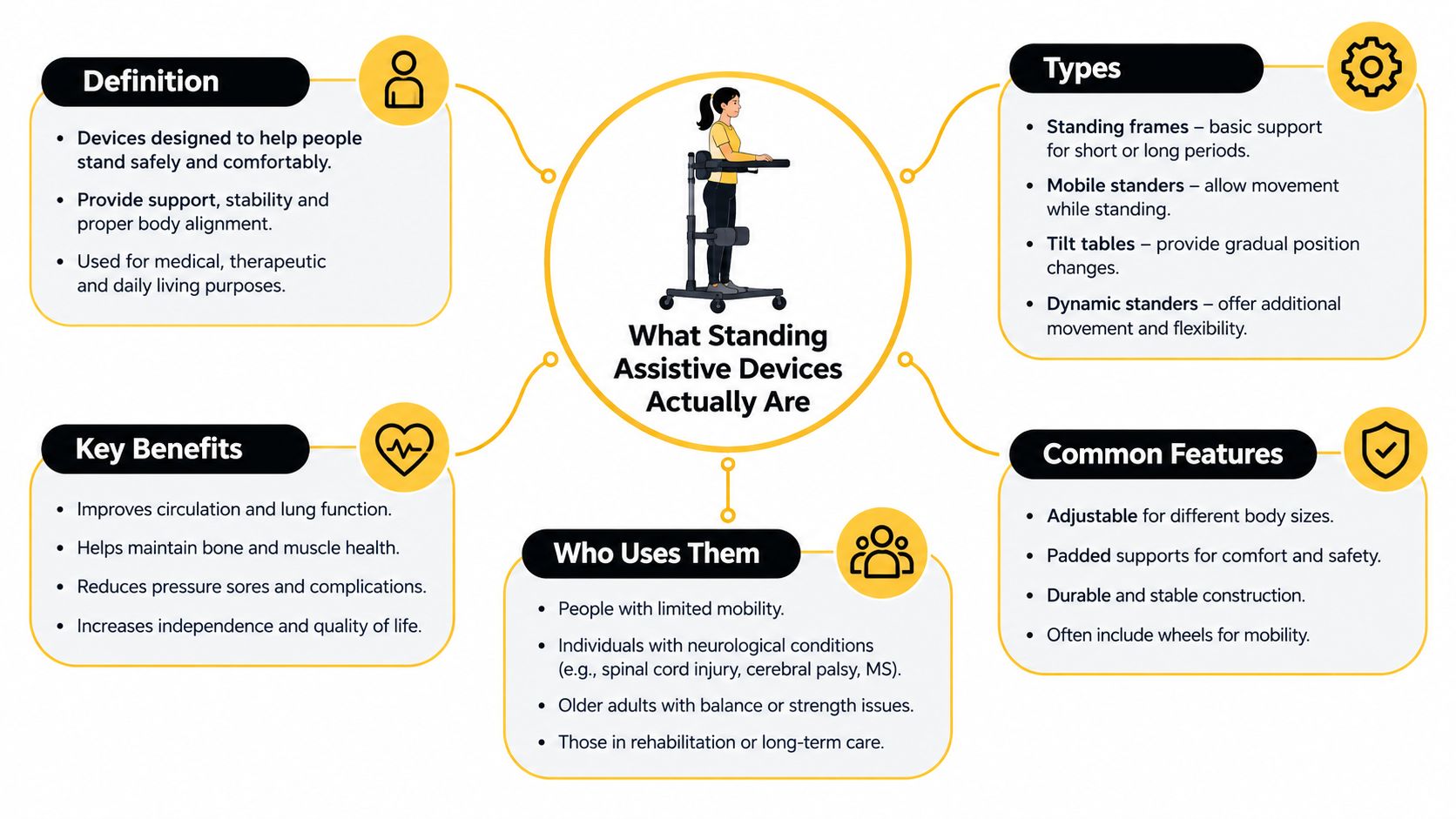
Standing assistive devices are equipment designed to support upright weight-bearing, help a person rise from sitting, or organize a transfer between nearby surfaces. Standing frames have been part of rehabilitation practice for more than 50 years, and they're commonly described as rigid, wide-base devices that support a person in an upright position. They may be free-standing stationary models or dynamic devices used with wheelchair systems, as summarized in the U.S. rapid review of standing frames.
The category has changed. Early frames were often treated mainly as positioning equipment. Contemporary rehabilitation research increasingly treats standing as a measurable intervention, with outcomes such as motor function, range of motion, bone mineral density, and tolerance for activity receiving closer attention. A pragmatic multicentre randomized trial involving people with progressive multiple sclerosis found improved motor function in a home standing-frame program. At six months, 66% of participants in the standing-frame group were still using the frame regularly, and the adjusted between-group difference at 36 weeks was 4.7 points on the AMCA scale, with a 95% confidence interval of 1.9 to 7.5 and p=0.001. The same analysis estimated an incremental cost per QALY of about £14,700. These figures come from the rapid review, not from every standing device or every diagnosis.
Passive support and active movement
A static stander holds the body in a selected upright position. It may use knee pads, hip supports, chest supports, footplates, and straps to maintain alignment during a planned session. A dynamic or mobile stander adds movement potential, usually through casters or wheels, so the user may move while standing.
An active sit-to-stand aid serves a different purpose. It supports the transition from sitting to standing and may be appropriate when the person can contribute some leg and trunk effort. A full patient lift is intended for a person who needs more extensive lifting support. Rollators and walkers can overlap with this category when they include hand grips designed to help a user push up, but they aren't automatically safe substitutes for a transfer lift.
Families often compare standing equipment with broader mobility or rehabilitation services. For example, a pain relief mobility program may help clarify whether the main barrier is pain, weakness, balance, or endurance before equipment is selected. For a focused comparison of transfer-focused products, see this guide to a sit-to-stand assist device.
The Main Types and How They Differ
The most useful way to compare standing assistive devices is by what the person must accomplish, not by the product's appearance. A large frame, a powered chair, and a small support handle may all appear in the same search results, but they solve different movement problems.
Five device families
Static or prone standers provide substantial postural support during planned standing sessions. They're common in pediatric and adult neurological rehabilitation, especially when the user needs help maintaining the knees, hips, trunk, or feet in a stable position. Their limitation is mobility. They support standing, but they don't necessarily help the person move around the home while upright.
Dynamic or mobile standers add casters or wheels and may allow self-propelled movement in a supported standing position. They can connect upright tolerance with reaching or activity. The trade-off is greater complexity, including more attention to steering, braking, clearance, and the user's ability to control movement.
Mechanical sit-to-stand lifts are designed for a person who can participate in rising but needs a stable mechanism and caregiver guidance. They can help with repeated transfers between a bed, chair, wheelchair, or commode. They don't solve every transfer problem, particularly when the user can't bear enough weight or can't follow the sequence reliably.
Power standing wheelchairs integrate standing into the chair itself. They may suit a wheelchair user who has enough strength, judgment, and control to operate the system safely, and who wants standing to support reaching, self-care, pressure management, or participation. They're specialized equipment, not a general replacement for a bedside transfer aid.
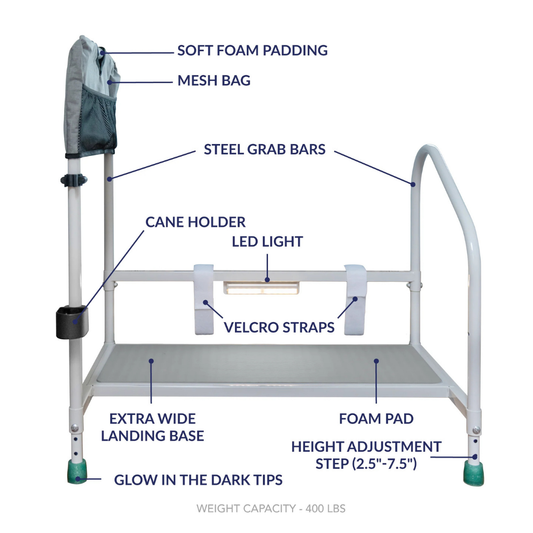
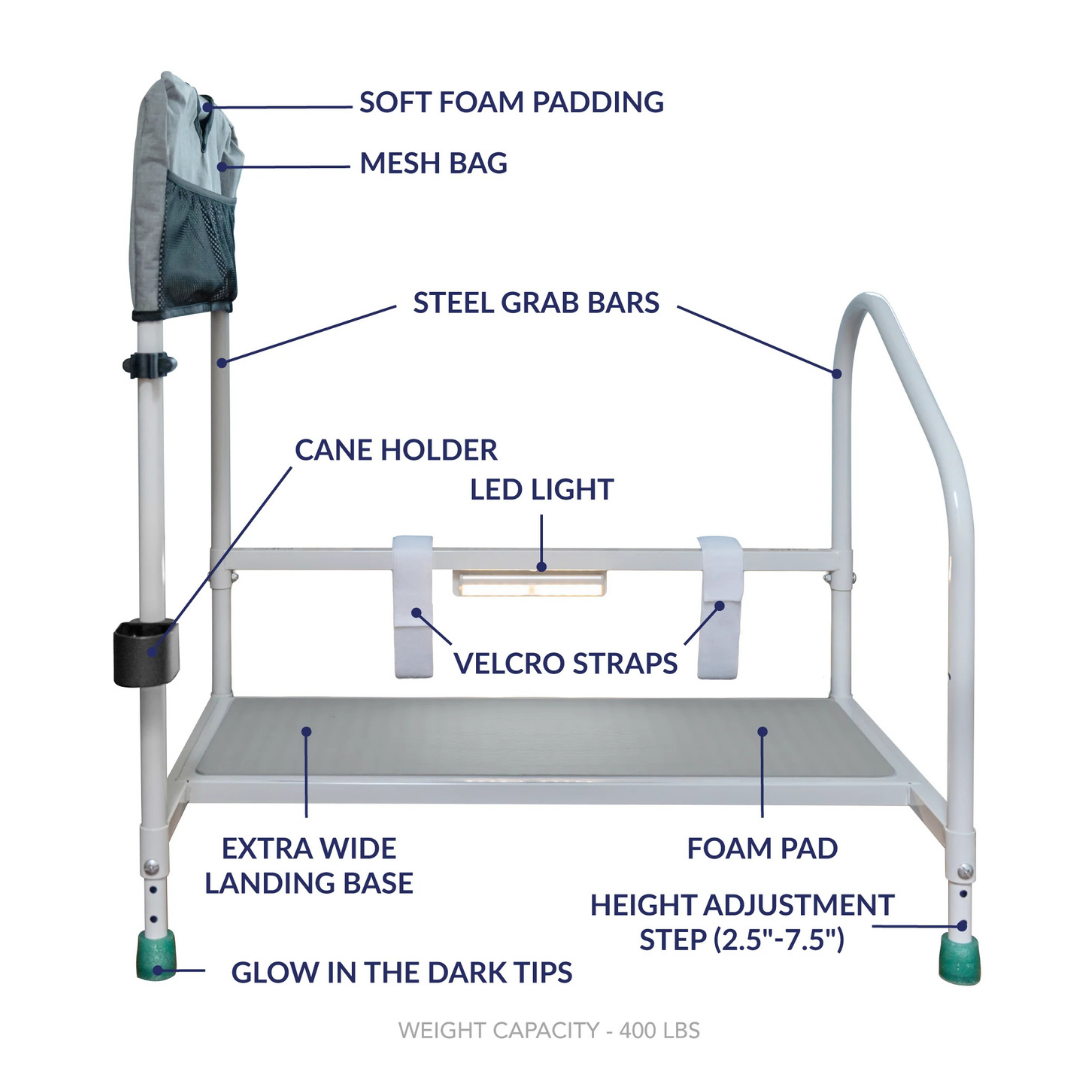
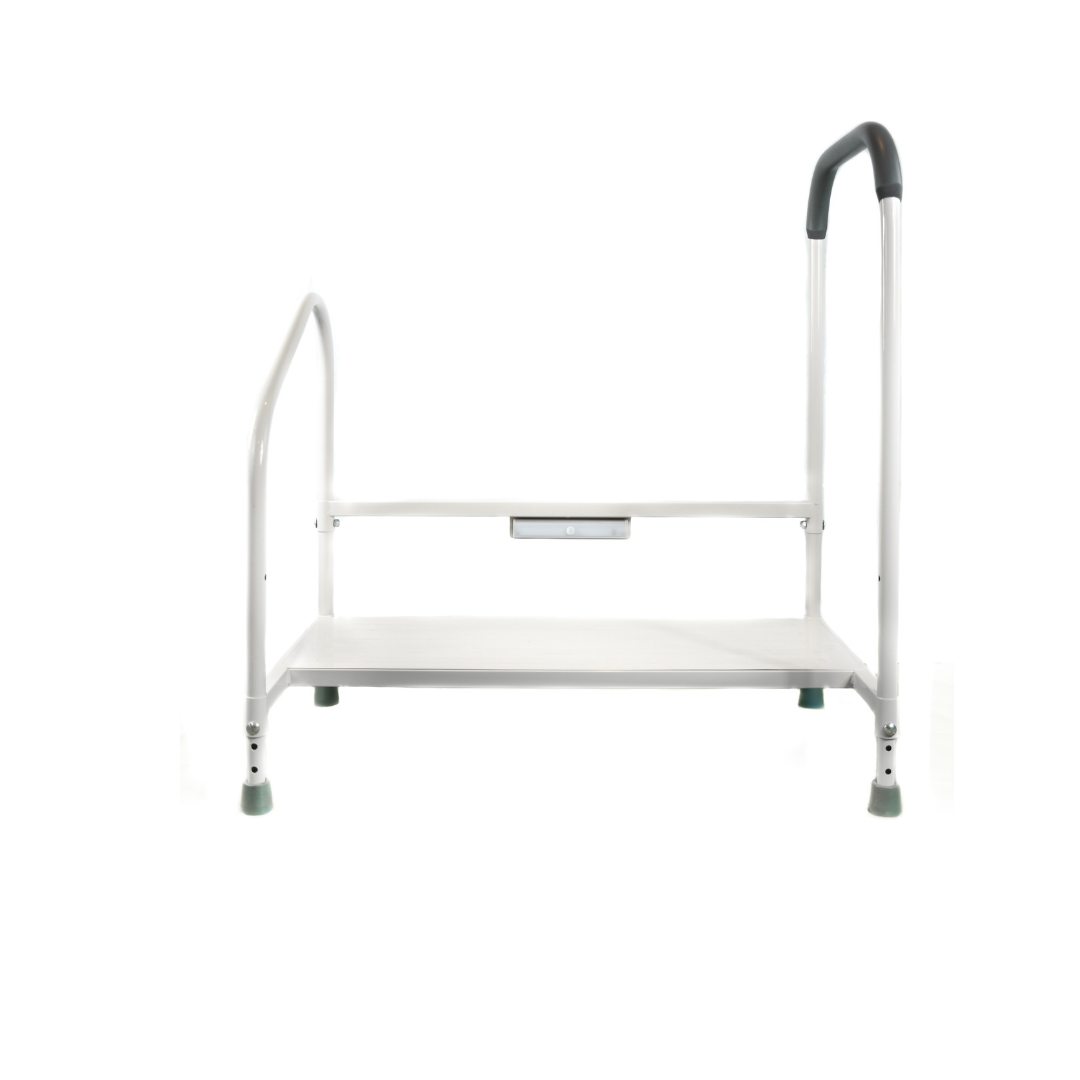
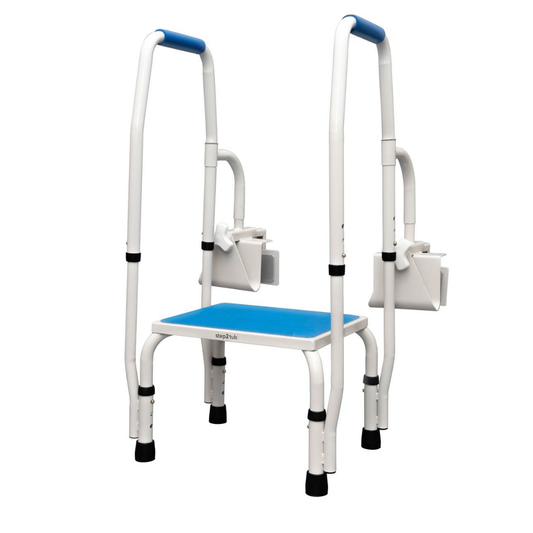
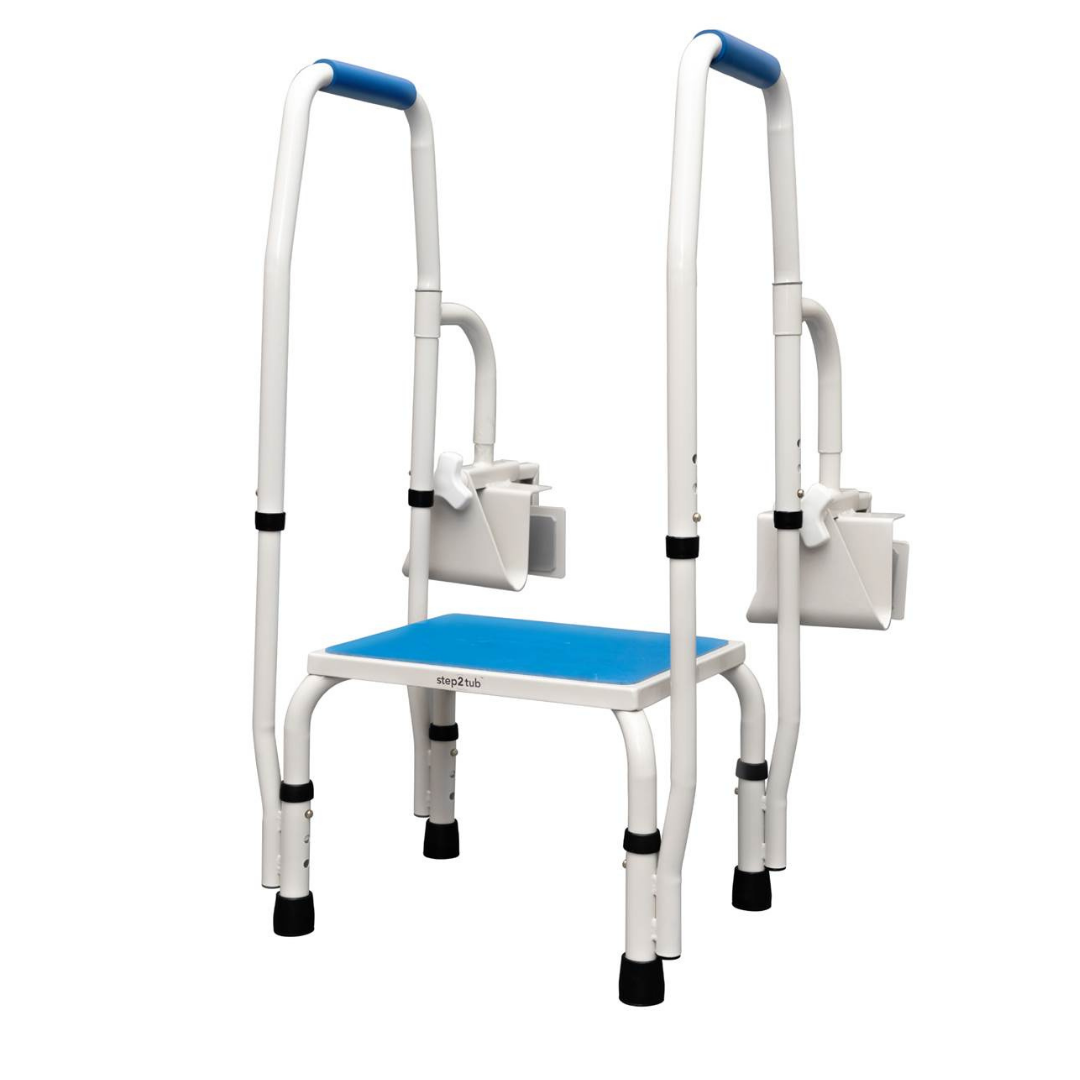
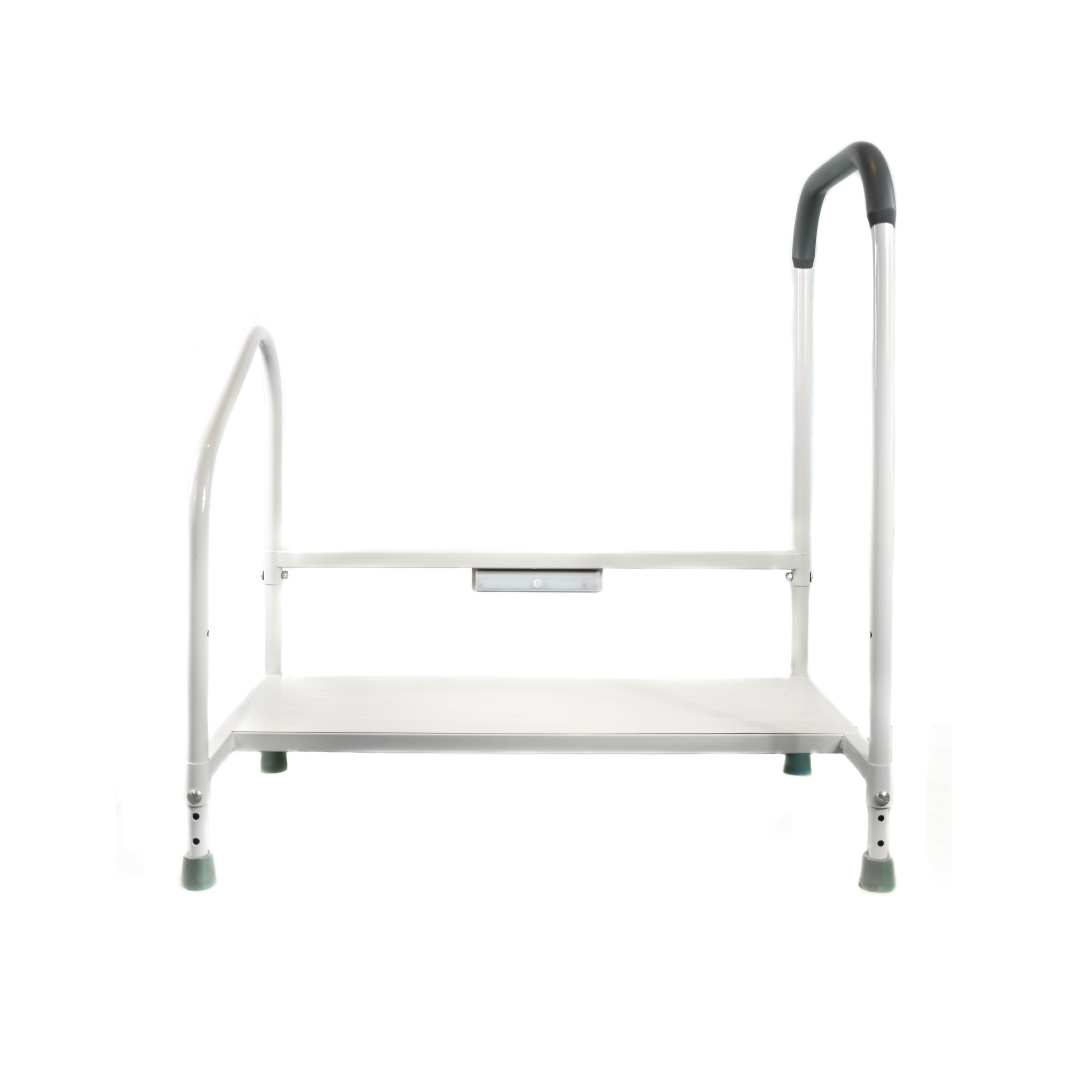
Lightweight stand-assist supports include cane-style poles, pivot discs, grab handles, and similar products that provide a boost at the moment of rising. They're useful when the person already has meaningful strength and balance. They don't provide the postural containment or lifting support needed by a person with substantial weakness.
| Device Family | Best-Fit User | Primary Function | Key Limitation |
|---|---|---|---|
| Static stander | User needing supported therapy positioning | Maintain upright standing | Usually stays in one place |
| Dynamic stander | User able to move with supported standing | Combine standing and movement | Requires control, space, and training |
| Sit-to-stand lift | Partial-weight-bearing transfer user | Assist rising and short transfers | Not intended for full-body lifting |
| Power standing wheelchair | Wheelchair user seeking integrated standing | Stand without a separate transfer | Requires specialized assessment and safe control |
| Lightweight stand-assist | User needing a brief rise assist | Provide a handhold or leverage point | Offers limited support for weakness or poor balance |
Caregiver access remains central. A device can have excellent mechanics and still fail if the caregiver can't position it around the chair, lock the casters, or guide the next movement. A patient transfer device comparison can help families separate transfer equipment from devices intended mainly for therapy or mobility.
How to Choose the Right Device for Your Situation
Start at the kitchen table with the transfer written in plain language: from where, to where, with whose help, and how often? “Help standing” is too broad. “From a low recliner to a walker several times each day” gives a clinician or supplier something useful to assess.
Match the person to the mechanism
A person who can place both feet, lean forward, push through the arms, and bear partial weight may fit a sit-to-stand aid. Someone who can't contribute enough leg or trunk effort may need a patient lift or a different powered solution. Coverage policies commonly distinguish people who can't stand independently because of a neuromuscular or central nervous system condition from those who lack the residual lower-extremity strength required to use a standing device safely. Anthem's standing device medical policy describes prior training, safe home use, and expected functional gains as part of medical necessity.
Weight capacity is another basic safety screen. Don't use a listed capacity as permission to guess. Record the user's current weight, consider expected changes, and confirm the full configuration, including cushions, supports, and accessories, with the supplier.
Measure the home before choosing the frame
Measure doorway openings, turning areas, thresholds, bed and chair heights, and the floor space beside the toilet. Check whether the device must fold for transport or fit into a vehicle. A product that works in a spacious therapy gym may be impossible to position beside a recliner or in a narrow bathroom.
Adjustability affects both safety and longevity. Look for knee, hip, and chest support ranges that match the user's measurements, with enough room for growth or body changes. Tool-free or single-tool adjustments may matter more than an impressive feature list when a caregiver sets up the device every day.
| Device Family | Typical Weight Capacity | Best Transfer Profile | Home Setup Needs | Key Adjustments |
|---|---|---|---|---|
| Static stander | Verify the manufacturer's stated range | User needing sustained postural support | Clear footprint and stable floor | Knee, hip, chest, and foot support |
| Dynamic stander | Verify the complete mobile configuration | User able to participate in supported movement | Turning space and controlled surfaces | Support height, wheel access, alignment |
| Sit-to-stand lift | Verify lift and sling or pad specifications | Partial-weight-bearing user | Clearance around source and destination | Knee pad, handle, base width |
| Power standing wheelchair | Verify chair-specific capacity | Seated user seeking integrated standing | Charging, turning, and transfer space | Seat, supports, controls, standing parameters |
| Lightweight stand-assist | Verify product-specific capacity | User needing limited rise assistance | Stable chair, bed, or bathroom placement | Handle height, placement, and grip |
Practical rule: If you can't explain the exact transfer in one sentence, you're not ready to compare models.
Safety, Fit, and the Questions Most Buyers Forget to Ask
A biomechanically sound device isn't automatically a usable device. Research on standing equipment shows a split between stronger evidence for body-structure outcomes and weaker evidence for daily-life participation. A person may be aligned correctly and still stop using the equipment because standing feels exhausting, the straps feel undignified, the controls are confusing, or the task demands more concentration than expected. The scoping review of standing devices and outcomes describes stronger support for maintaining bone mineral density and preventing contractures, while outcomes such as bowel function, spasticity, hip stability, and activities of daily living are supported more often by quasi-experimental or descriptive evidence.
Ask before you buy
- Trial access: Can the user test the unit at home for at least a week, rather than only in a clinic?
- Fitting responsibility: Who performs the fitting, and what training or credentials do they have?
- Failure response: What happens if the user slumps, faints, loses balance, or presses a control unexpectedly?
- Caregiver ergonomics: Can the caregiver reach caster locks, handles, and release mechanisms without bending or twisting?
- Standards: Does the product meet applicable ISO 7176 or equivalent wheelchair standards, or relevant RESNA standards for standers?
- Skin protection: Are padding, straps, and contact surfaces appropriate for the user's skin and pressure-injury risk?
Different mechanisms also create different movement effects. A 2022 study reported that full rollator support improved stability and produced a more upright posture during standing up and sitting down, while a review of hip-support sit-to-stand devices called for better ergonomics, mechanisms, and modularity. Those findings don't establish that one product suits every user. They reinforce the need to test the exact device with the exact person.
Power standing wheelchairs deserve separate attention because they can let a wheelchair user stand without transferring. That use case is not the same as a furniture-based stand-assist product, and the assessment should address control access, judgment, fatigue, and the activities standing is meant to enable.
Before the first home transfer, review safe patient transfer techniques with the treating professional or trained supplier. The equipment should reduce risk, not encourage a caregiver to improvise a lift.
Coverage, Reimbursement, and Documentation
Coverage usually follows a medical-necessity argument, not a general desire for convenience. The record must explain why the person can't stand or ambulate independently, what residual strength remains, what equipment has been tried, and what meaningful function the requested device is expected to support.
Major payer policies commonly look for a neuromuscular or central nervous system condition, sufficient residual lower-extremity strength for safe use, prior training, and safe use in the home. They may also expect gains in activities of daily living or in arm, trunk, circulatory, respiratory, or digestive function. The Cigna coverage criteria for standing-related equipment makes the strength threshold an explicit condition rather than treating every person who needs help standing as eligible.
A clinician's note should connect the diagnosis to the task. “Needs a stander” is weaker than a description of the person's transfer ability, posture, contracture risk, caregiver assistance, trial results, and expected functional outcome.
Build the record around function
Include:
- Clinical diagnosis: The condition affecting strength, balance, tone, range of motion, or endurance.
- Current ability: Whether the person can bear weight, follow directions, use the arms, and control the trunk.
- Equipment history: Devices tried, what failed, and why the failure matters.
- Functional purpose: Reaching, self-care, pressure management, transfers, standing tolerance, or participation.
- Professional assessment: Physician evaluation plus occupational or physical therapy recommendations when required.
- Medical-necessity letter: A concise explanation of why the requested configuration is appropriate.
State Medicaid rules can add specific trial requirements. Massachusetts Medicaid guidance, for example, requires a documented therapeutic standing trial lasting at least 30 minutes at one time and addresses high risk for lower-limb or trunk contractures or non-fixed contractures that haven't improved with other interventions. Read the applicable Massachusetts stander guidance only as a state-specific example, not a universal rule.
Standing frames and dynamic standers may be processed differently from power standing wheelchairs, and coding or authorization rules vary by state and insurer. Before ordering, ask whether prior authorization is required, which clinician must submit the evaluation, whether a trial is mandatory, and what documentation the supplier will prepare. A plain-language explanation of durable medical equipment can help families understand the broader reimbursement category.
How Much Standing Is Enough and When to Use It
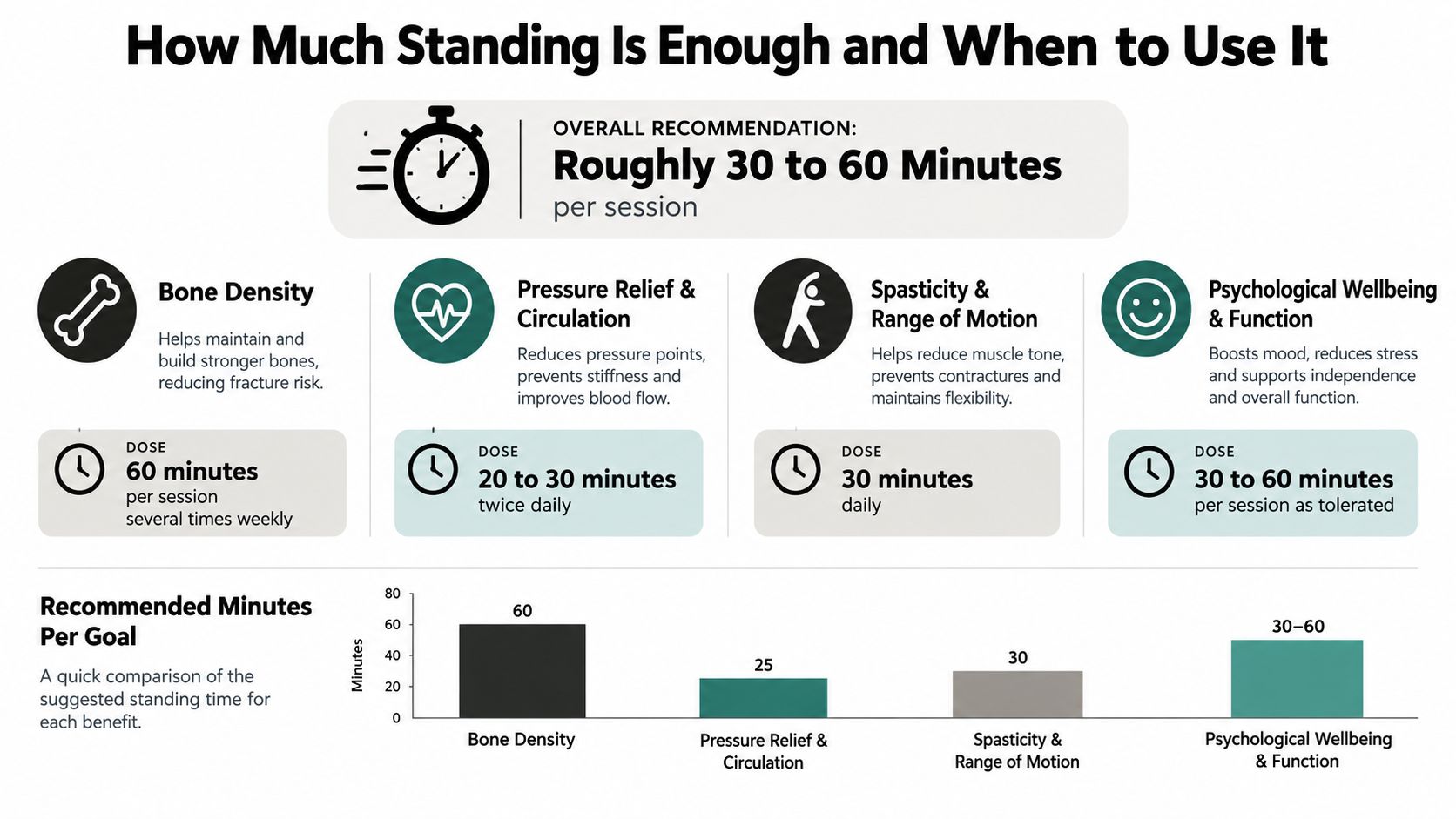
Standing dosage should serve a defined outcome. A person working on range of motion may need a different routine from someone using a standing frame to support bone mineral density, and neither should begin with a copied schedule that ignores blood pressure, skin, pain, or fatigue.
Clinical guidance summarized in an evidence-based guideline recommends 30 to 60 minutes per day, 3 to 5 days per week for optimal outcomes. A separate review found stronger evidence for range-of-motion and activity improvements, especially after stroke or spinal cord injury, and suggested 30 minutes, 5 times per week for most outcomes, with 60 minutes daily suggested for mental function and bone mineral density. See the supported standing review for the evidence summary and limitations.
Turn the target into a routine
Start with the shortest tolerable session that matches the clinician's plan. If one continuous session causes fatigue, the team may divide the total time into shorter bouts, provided the equipment and treatment plan support that approach. The point isn't to chase a clock. It's to create repeatable upright practice without triggering symptoms that make tomorrow's session less likely.
Timing can make a difference in daily life:
- After meals: Avoid placing a demanding standing session immediately after a meal if fullness worsens comfort or reflux.
- Around medication: Coordinate sessions with medication timing when blood pressure, tone, or pain changes predictably.
- During therapy blocks: A standing session may fit before a task requiring reaching or transfers, but fatigue may make it a poor choice afterward.
- During active routines: Supported standing can be paired with grooming, communication, reaching, or another meaningful task if the user can do so safely.
Watch the body, not only the schedule
Stop and seek clinical guidance for concerning symptoms such as faintness, unusual shortness of breath, persistent joint pain, or skin redness that doesn't resolve. Inspect the skin around straps, knee pads, footplates, and other contact points. A standing program should progress gradually from more support toward less support only when alignment, tolerance, and control remain reliable.
Survey data illustrates why prescribed dosage and real use aren't the same. Almost 39% of standing-device users reported standing at least once per day, while 12% used their device once per week or less. About 80% reported sessions lasting either 15 to 30 minutes or 30 to 60 minutes, and duration varied by age. Among users aged 6 or younger, 65% stood for 30 to 60 minutes, compared with 26% of users aged 65 or older. These findings appear in the survey and guideline review of standing-device use, which also notes that earlier trials produced mixed results.
For people who spend long periods upright, comfort outside the device also affects follow-through. Families may find it useful to compare supportive footwear, including standing shoes for teachers, alongside the clinical equipment plan.
Buying, Trying, and Troubleshooting Next Steps
The best purchase process is deliberately ordinary. Choose one daily task, test the device in the place where that task happens, and make the family prove that the setup can be repeated without heroic effort.
Use a decision path
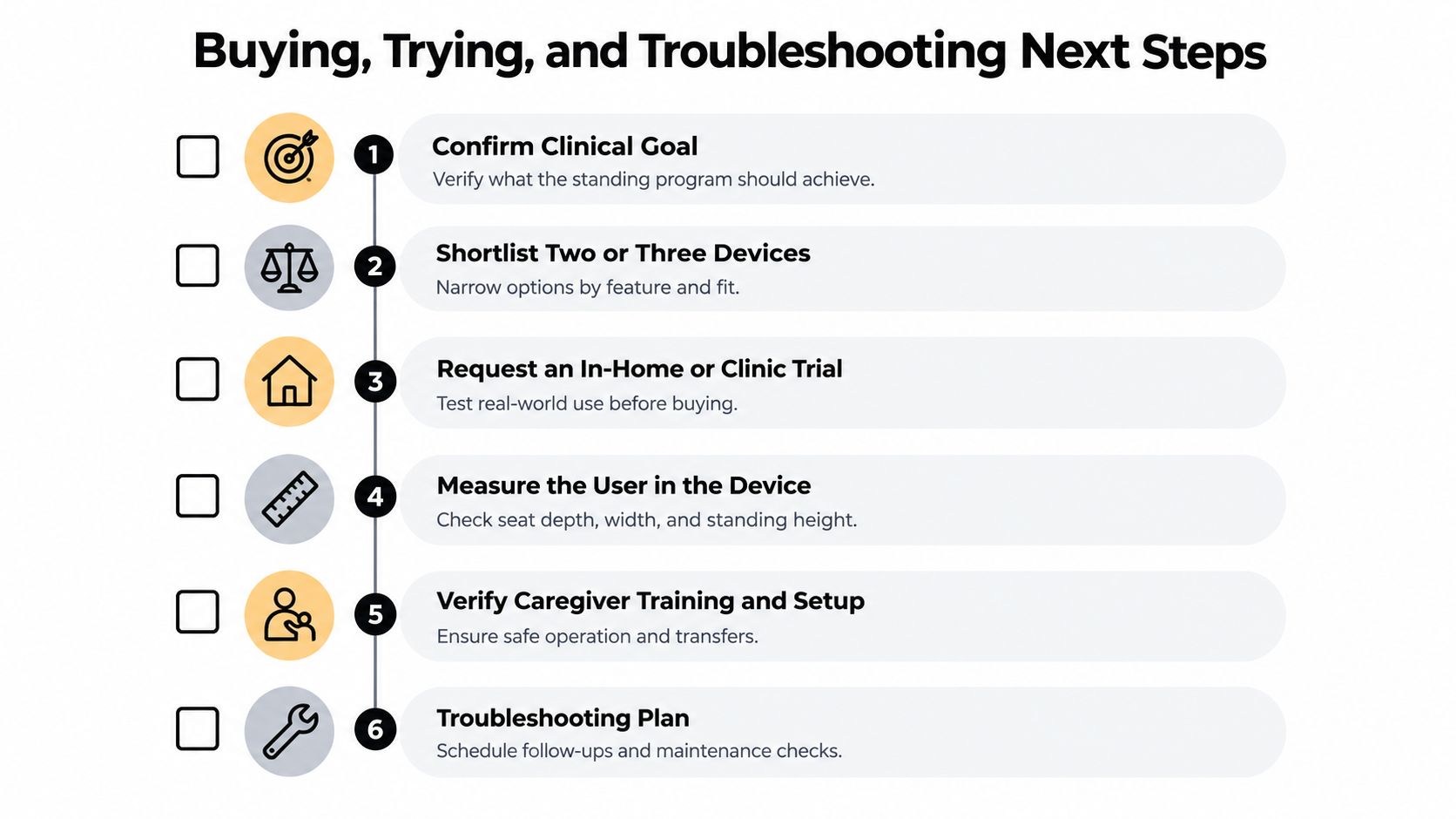
- Confirm the clinical goal. Write down whether the priority is a transfer, standing tolerance, wheelchair-integrated standing, range of motion, pressure management, or daily confidence.
- Shortlist two or three device families. Compare only products that match the person's strength, control, body measurements, and intended location.
- Request an in-home or clinic trial. Test the chair, bed, floor surface, doorway, caregiver position, and route after standing.
- Measure the user in the device. Check foot position, knee alignment, hip and chest support, seat depth, reach to controls, and comfort during the actual movement.
- Verify caregiver setup. The caregiver should demonstrate positioning, locking, release procedures, cleaning, charging, and what to do if the transfer stops halfway.
- Negotiate funding and follow-up. Clarify authorization, paperwork, delivery, training, repairs, and reassessment before the equipment arrives.
DME Superstore is one place families can compare durable medical equipment, including the ARJO Sara Stedy Manual Standing Aid & Sit-To-Stand Transfer Lift, as well as powered sit-to-stand options such as the ARJO Sara Flex and Journey Sit-To-Stand Folding Electric Patient Lift. The Sara Stedy is intended for users with upper-body strength who can stand and transfer, while powered lifts address a different level of assistance. Use the home medical equipment buying guide as a comparison resource, then confirm fit and clinical suitability with the appropriate professionals.
Keep the equipment dependable
Inspect casters, brakes, straps, pads, footplates, batteries, hydraulics, and upholstery according to the manufacturer's schedule. Before each planned use, look for loose hardware, damaged webbing, cracked padding, fluid leaks, unusual resistance, or a wheel that doesn't lock securely.
Some problems have simple causes, but don't guess when safety is involved:
- Slow lift: Check battery charge, emergency-stop position, and visible obstructions. Stop using the unit if the actuator sounds strained or the lift remains unreliable.
- Uneven footplates: Confirm that the device is on a level surface and that both footplates are fully seated. Have the supplier inspect the mechanism if the difference persists.
- Noisy actuator: A new grinding, clicking, or irregular sound deserves a service call rather than repeated use.
- Sliding or drifting: Recheck caster locks, floor conditions, and the device's position relative to the chair.
- Pressure or redness: Remove the user safely, inspect the skin, and contact the clinician before changing supports or resuming the program.
Ask the supplier about warranty turnaround, loaner equipment, adjustment access, replacement parts, and who handles urgent repairs. Confirm whether a caregiver can make routine adjustments or whether every change requires a service visit.
The right device is the one that fits the person, the transfer, the room, and the household routine at the same time.
Reassess the plan every 90 days with the clinical team or sooner after a fall, hospitalization, surgery, major weight change, new pain, or a change in caregiver support. That review can identify a support that has become too restrictive, a stander that no longer matches the user's goals, or a transfer aid that needs a different setup. It also keeps a standing program from fading into closet storage.
DME Superstore offers standing aids, sit-to-stand lifts, transfer equipment, walkers, wheelchairs, and related homecare products with specifications that help families compare configurations. Visit DME Superstore with your clinical goal and home measurements ready, and use the product information to begin a safer, more focused equipment conversation.
