



Shopping for home medical equipment online can feel like a new frontier, but it's one of the most empowering ways to find the tools you need for a safe and independent life. Rather than a complex chore, think of it as a learning opportunity. Online resources provide a vast library of information, competitive pricing, and direct-to-your-door delivery, transforming a once-confusing process into a clear and educational journey.
Why Buying Home Medical Equipment Online Is a Smart Choice

If the thought of researching and purchasing medical equipment seems overwhelming, you're not alone. The traditional approach often involved visiting a local store with limited stock, navigating confusing options with little privacy, and feeling pressured to make a quick decision.
Today, the landscape has changed for the better. Shopping for home medical equipment online puts you in control, offering a supportive and educational path to greater comfort and independence. It’s like having a comprehensive digital library and showroom available 24/7. You can browse, compare, and learn about different products on your own schedule, from the comfort of home, without any sales pressure. This evolution isn't just about convenience; it’s about making essential health solutions more accessible and understandable for everyone.
The Power of Choice and Information
One of the most significant benefits of shopping online is the sheer depth of information and variety. A local durable medical equipment (DME) store is constrained by physical space, but an online retailer can present a vast catalog from leading brands like Pride Mobility and Golden Technologies.
This allows you to learn about and find the exact piece of equipment that fits your specific needs—whether that's a power chair with a tight turning radius for indoor navigation or a bariatric lift chair with specialized features. You're empowered to choose what's genuinely right for your situation, rather than settling for what's immediately available.
A common question is, "How can I make the right choice without seeing the product in person?" Reputable online stores address this by providing deep educational resources, such as:
- Comprehensive product pages with clear specifications, dimensions, and weight capacities.
- In-depth buyer's guides that teach you the differences between product types.
- High-resolution photos and videos that demonstrate the equipment in real-world scenarios.
This wealth of information empowers you to become an expert on your own needs and make a confident, well-informed decision.
Unbeatable Convenience and Affordability
Beyond the extensive selection, buying home medical equipment online often translates to better value and unmatched convenience. With lower overhead costs, online stores can pass savings directly to you. When you factor in benefits like free nationwide shipping, the equipment you need arrives at your doorstep, often with "white glove" delivery and setup options available for a seamless experience.
This shift toward online purchasing is about more than just convenience. It’s about making essential equipment for daily living more accessible to everyone, from seniors aging in place to individuals recovering from surgery.
The rapid growth of the home medical equipment market underscores this trend. Market analysis shows the industry, valued at USD 29.80 billion in 2026, is projected to reach USD 51.38 billion by 2035, growing at a steady 6.24% annually. This expansion highlights how effectively online platforms are delivering vital items like mobility scooters and adjustable beds to the people who need them most.
Comparing Online vs. Local DME Shopping
Understanding the differences between purchasing channels can help you make the best choice for your needs. This table breaks down the key aspects of shopping with a national online retailer versus a traditional local store.
| Feature | Online Retailer (e.g., DME Superstore) | Traditional Local Store |
|---|---|---|
| Selection & Variety | Virtually unlimited; access to thousands of products from dozens of brands. | Limited to floor space and what the store has in stock. |
| Pricing | Often lower due to less overhead; frequent sales and promotions. | Generally higher prices to cover rent, staff, and utilities. |
| Convenience | Shop 24/7 from home; no travel required. | Requires travel during business hours. |
| Information & Research | Detailed specs, buyer's guides, videos, and customer reviews available. | Relies on in-store staff knowledge; comparison is difficult. |
| Privacy | Browse and purchase privately from your own home. | Discuss personal health needs in a public retail environment. |
| Delivery | Free nationwide shipping directly to your door; white-glove setup options. | May offer local delivery for a fee; limited service area. |
| Customer Support | Available 7 days a week via phone, chat, and email for expert advice. | Face-to-face help, but only available during store hours. |
While local stores can offer the benefit of an immediate, hands-on trial, the advantages of shopping online—from a massive selection and better pricing to the privacy and convenience of home delivery—make it an increasingly popular choice. It puts you in the driver’s seat, ensuring you find the perfect solution for your life.
Decoding Different Types of Home Medical equipment
Stepping into the world of home medical equipment can feel like learning a new language. With so many different products and unfamiliar terms, it’s easy to feel lost. This section serves as your translator, breaking down the main categories so you can understand what each product does and who it's designed to help.
Our goal is to provide a clear map of the equipment landscape. Once you understand the function of each item, you can shop with the confidence that comes from making an informed decision for yourself or a loved one. You can learn more about what is considered durable medical equipment in our detailed guide.
The growth in online access has been a game-changer for older adults, caregivers, and people recovering at home. The U.S. home medical equipment market was valued at USD 44.25 billion in 2025 and is projected to reach USD 180.74 billion by 2035, reflecting a compound annual growth rate of 15.11%. This growth is fueled by the demand for the convenience and vast educational resources that online stores provide.
Mobility Aids For Every Lifestyle
Mobility aids are designed to help you move more freely and safely, whether around the house or out in the community. They range from simple supports to sophisticated powered devices, each engineered to solve a specific mobility challenge.
- Walkers and Rollators: Excellent for users who need support with balance and stability. A standard walker provides maximum steadiness, while a rollator—equipped with wheels, a seat, and brakes—is better suited for those who can walk but need opportunities to rest during longer outings.
- Manual Wheelchairs: Ideal for individuals who cannot walk long distances and either have the upper-body strength for self-propulsion or have a caregiver to assist. They are typically lightweight, foldable, and easy to transport.
- Mobility Scooters: Consider these your personal transport for outdoor activities. They are perfect for trips to the park, grocery store, or around the neighborhood, offering greater speed and range than a typical powerchair.
- Powerchairs: Also known as electric wheelchairs, these are the champions of indoor maneuverability. Their tight turning radius is perfect for navigating narrow hallways and doorways, making them a top choice for apartment living or moving easily within the home.
Choosing between a scooter and a powerchair is about understanding their primary purpose. Scooters excel in outdoor, open-space environments, while powerchairs are engineered for precision and control in confined indoor spaces.
Homecare Essentials For Comfort and Safety
This category includes larger equipment that makes daily living at home safer and more comfortable, particularly for those with limited mobility or recovering from an illness. These items are fundamental to providing quality at-home care.
The right homecare equipment does more than just provide physical support; it restores dignity and reduces the strain on both users and caregivers, fostering a more independent and comfortable living environment.
Key Homecare Items:
- Hospital Beds: Unlike standard beds, these are fully adjustable. The ability to change the height and position makes it easier for caregivers to provide assistance and allows the user to find comfortable positions for resting, eating, or watching TV.
- Lift Chairs: While they look like cozy recliners, a powerful internal mechanism tilts the chair forward, gently assisting the user to a standing position with minimal effort. This is a game-changing feature for anyone with leg weakness or balance issues.
- Patient Lifts: For individuals with significant mobility challenges, these devices are essential. They safely transfer a person between a bed, wheelchair, commode, or chair, protecting both the user and their caregiver from injury.
Bathroom Safety and Diagnostic Tools
The bathroom is a high-risk area for falls. Fortunately, a few simple additions can dramatically reduce this risk and make personal hygiene routines much safer.
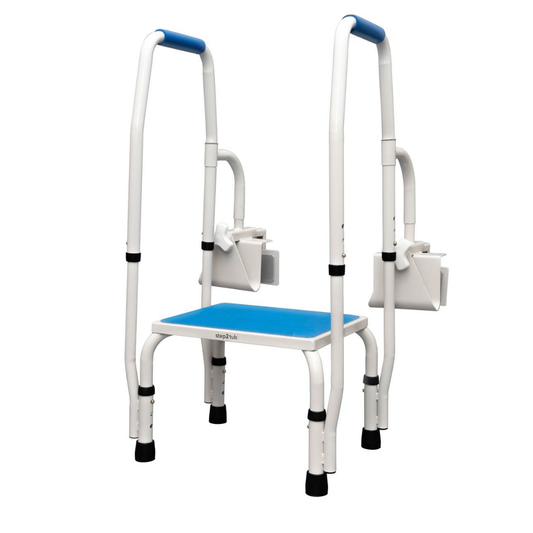
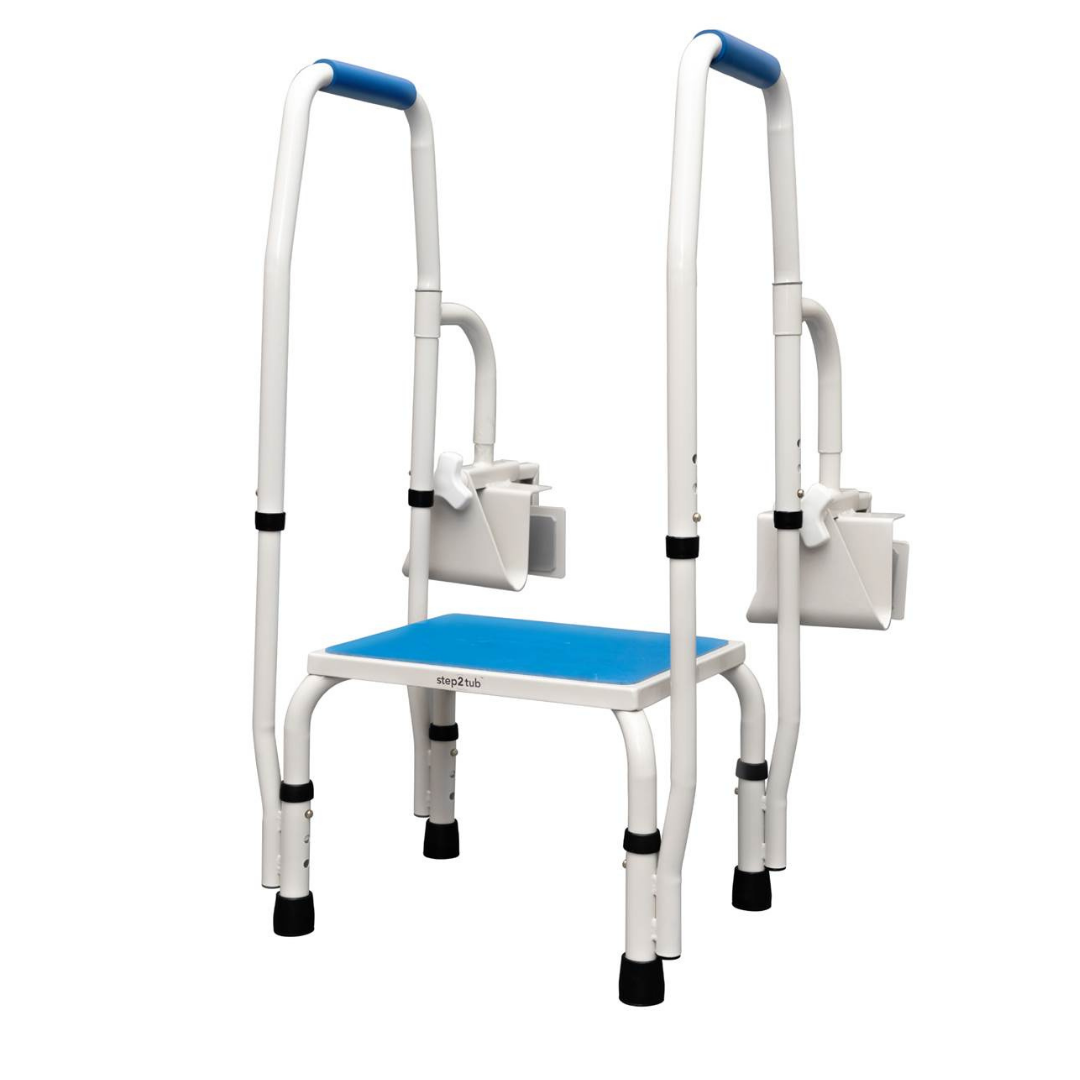
Key bathroom safety aids include shower chairs for stable seating during bathing, toilet safety frames for support when sitting or standing, and strategically placed grab bars to provide a secure handhold.
Finally, as you learn about home medical equipment, you'll also encounter diagnostic tools. For example, understanding how to use an A1c test at home can be a crucial part of managing diabetes independently. By educating yourself on these categories, you can confidently identify the solutions that will have the most positive impact on daily life.
How to Select the Right Equipment for Your Life
Choosing the right home medical equipment is less about the latest features and more about finding a perfect match for an individual's daily life. This decision directly impacts personal freedom, safety, and confidence. By taking time to consider a few key factors, you can avoid common pitfalls and select equipment that genuinely enhances independence.
The process is similar to choosing a vehicle. You wouldn't select a large SUV for navigating a crowded city with tight parking, nor would you pick a compact car for rugged country roads. The best choice is always determined by how and where it will be used.
Start with the User First
Before looking at any products, the first step is to focus on the person who will be using the equipment. Their unique physical characteristics and abilities are the most important considerations.
- Height and Weight: Every piece of equipment, from lift chairs to walkers, has a specific weight capacity and dimensional range. Exceeding the weight capacity is a significant safety hazard, while a product that is too large or small can be uncomfortable or difficult to use correctly. Always verify these specifications first.
- Physical Strength and Balance: Assess the user's current strength honestly. Can they operate the brakes on a rollator? Do they have the upper-body strength to propel a manual wheelchair, or would a powerchair be a more sustainable solution? For a deeper dive, our article on how to choose a wheelchair offers practical guidance.
- Mobility Level: Does the user need full-time support or just assistance for longer distances? This will help determine whether a simple cane, a sturdy walker for stability, or a mobility scooter for community access is the most appropriate choice.
Once you have a clear understanding of the user's needs, you can begin to match them with the right type of equipment. The goal is to find a tool that supports, rather than hinders, their capabilities.
This simple decision tree can help you begin to narrow down your options based on the primary usage environment.

As this guide illustrates, the user's environment—whether primarily indoors or outdoors—is a crucial factor in selecting the right mobility aid.
Measure Your Environment
After considering the user, the next critical step is to measure their living space. A state-of-the-art mobility scooter is of no use if it cannot fit through the bathroom doorway. Grab a tape measure and walk through the home and any common outdoor routes.
A Quick Home Measurement Checklist:
- Doorway Width: Measure all key doorways—the front door, bathroom, and bedroom are essential. A standard interior doorway is often 30-32 inches, but they can be narrower in older homes.
- Hallway Width: Check the width of hallways, especially at tight corners. A powerchair with a good turning radius can handle narrow passages, but a scooter might not.
- Flooring Type: Note the different types of flooring. Deep-pile carpets can be challenging for walkers and some wheelchair wheels, while smooth tile or wood is easier to navigate.
- Travel Plans: Will the equipment need to be transported in a car? Check the folded dimensions and product weight to ensure it fits in the trunk and can be lifted by a caregiver without causing strain.
Taking these measurements removes guesswork from the online buying process. It transforms abstract numbers on a specification sheet into real-world applicability, ensuring your new equipment works for you from day one.
Reading a Product Spec Sheet Like a Pro
Product specification sheets can seem technical, but they contain all the vital details needed to make an informed choice. Once you know what to look for, you can easily compare models and find the perfect match.
Focus on these key numbers:
- Overall Dimensions (L x W x H): Compare these directly with your home measurements.
- Weight Capacity: The maximum user weight the product can safely support. Never choose a product where the user is close to the limit.
- Product Weight: This tells you the item's own weight, which is critical for any equipment you plan to transport.
- Turning Radius (for Scooters/Powerchairs): A smaller number indicates it can turn in tighter spaces—a key feature for indoor use.
- Battery Range (for Powered Devices): This indicates how far the device can travel on a single charge.
By combining an honest assessment of the user's needs with concrete measurements of their environment, you create a solid framework for making the right choice. This thoughtful approach ensures the equipment you purchase is not just a product, but a true partner in daily living.
Navigating Payments, Insurance, and Financing
Understanding how to pay for medical equipment can be a source of stress, but it doesn't have to be. When you shop for home medical equipment online, you gain access to several straightforward payment methods that make affording the right tools simpler and faster.
Unlike the traditional insurance process, which can involve complex paperwork and long waits, buying direct online provides clear, upfront costs. Many find that using tax-advantaged savings accounts or simple financing is a more direct path to getting the exact equipment they need, when they need it.
Using Your HSA and FSA Accounts
One of the most effective ways to pay for equipment is with a Health Savings Account (HSA) or a Flexible Spending Account (FSA). These accounts allow you to set aside money for qualified medical expenses on a tax-free basis.
Think of it as your personal health fund that you control. The best part? Nearly all durable medical equipment—from mobility scooters and lift chairs to hospital beds—is classified as an eligible expense.
- FSA (Flexible Spending Account): Typically offered through an employer, an FSA is funded with pre-tax dollars from your paycheck. It often has a "use it or lose it" rule, making it ideal for planned purchases within a calendar year.
- HSA (Health Savings Account): If you have a high-deductible health plan, you can open an HSA. This account offers a triple tax advantage: contributions are tax-deductible, the funds grow tax-free, and withdrawals for medical expenses are tax-free. Plus, the funds roll over year after year.
Using these accounts is as simple as using a debit card at checkout, allowing you to make your healthcare dollars go further. For example, if you're preparing for future needs, you can learn about essential aging-in-place home modifications and use HSA funds to make your home safer.
Modern Financing Makes It Manageable
For larger purchases like a premium powerchair or a fully adjustable hospital bed, modern financing options offer a simple, stress-free solution. Services like Affirm allow you to break down the total cost into predictable, fixed monthly payments.
Financing isn't about accumulating debt; it's about making a significant investment in your quality of life accessible today. You can get the equipment you need now and pay for it over time in a way that fits your budget.
This approach provides immediate access to improved health and independence without the financial strain of a large upfront payment. The application process is typically quick, and you'll see the exact monthly payments before you commit, with no hidden fees.
The Direct-to-You Advantage
While Medicare or private insurance may cover some equipment, the process often involves strict criteria, lengthy approval times, and limited choices. Buying direct online is almost always faster and gives you complete control over your selection. This direct approach is a major factor in the rapid growth of the online homecare market.
The global home medical equipment market, valued at USD 59.43 billion in 2024, is projected to reach USD 104.74 billion by 2033. A significant driver of this growth is that home healthcare users now constitute 84.37% of the market, a clear indicator of the preference for the speed, control, and selection that online shopping provides.
What Happens After You Click “Buy”?
You’ve done your research and selected the perfect piece of equipment—a major step towards a safer, easier life. However, your peace of mind shouldn't end at checkout. A great online medical supplier understands that the post-purchase experience is just as important as the sale itself.
This next phase is about transforming an online purchase into a reliable, long-term solution that integrates seamlessly into your home and life.

Understanding Your Delivery Options
A promise of “free nationwide shipping” typically means your equipment will be delivered to your curb or doorstep at no extra charge. For many items like rollators, shower chairs, or portable oxygen concentrators, this is a convenient and sufficient option. The item arrives boxed, ready for you to unpackage and use.
But for larger, more complex items like a full-electric hospital bed or a heavy-duty lift chair, a more hands-on approach is often needed.
White Glove Delivery
This is a premium, all-inclusive setup service. It’s the ideal choice for equipment that is heavy, requires assembly, or has complex features you want to understand from day one. With this service, you aren't left with a large, intimidating box to handle on your own.
Instead, a team of trained technicians will:
- Bring the equipment inside to the specific room where it will be used.
- Carefully unpack and assemble the product from start to finish.
- Test all functions to ensure it is working perfectly.
- Provide a clear, simple demonstration on how to operate it safely.
- Clean up and remove all packaging materials.
This service eliminates physical strain and technical guesswork. You can learn more about how this premium option works in our guide explaining what is white glove delivery service.
A Fair and Clear Return Policy
Even with careful research, sometimes a product isn't the right fit. A transparent and fair return policy is a key indicator of a trustworthy retailer.
A 30-day return window is a good industry benchmark. It provides ample time to try the equipment in your own home and ensure it meets your needs without feeling rushed.
Before buying, take a moment to review the company’s return policy. Look for details on which items can be returned (some hygiene products, for instance, are often final sale) and whether any restocking fees apply. A clear, upfront policy demonstrates the company’s confidence in its products and its commitment to your satisfaction.
Warranties and Long-Term Maintenance
Your relationship with your new equipment extends well beyond the first month. Manufacturer warranties serve as a guarantee that the product is built to last, covering defects in materials and craftsmanship.
A good product page will clearly outline the warranty details, often breaking them down by component. For instance, a power wheelchair might have a five-year warranty on the frame, a two-year warranty on electronics, and a one-year warranty on batteries.
Beyond the warranty, routine care is essential for longevity. Spending a few minutes each week or month on simple maintenance can prevent common issues and significantly extend the life of your equipment.
Here is a basic checklist to help you keep your equipment safe and in top condition.
Simple Equipment Maintenance Checklist
A few simple checks can ensure your equipment is always ready and reliable when you need it.
| Equipment Type | Daily Check | Weekly Check | Monthly Check |
|---|---|---|---|
| Mobility Scooter | Check battery level and tire pressure. | Wipe down surfaces and check for loose hardware. | Test brakes and inspect tires for wear. |
| Lift Chair | Ensure the hand control is functioning. | Inspect the fabric for tears or stains. | Check that the lifting mechanism moves smoothly. |
| Hospital Bed | Test all adjustment controls. | Check that side rails lock securely. | Inspect the power cord for any damage. |
| Rollator | Test the hand brakes. | Check wheels for debris and ensure they spin freely. | Tighten any loose nuts or bolts. |
Following these simple steps ensures that your investment in home medical equipment is not just a product, but a reliable partner in your health journey.
Practical Safety Tips for Users and Caregivers
Getting the right equipment is a huge first step, but true confidence and independence come from using it safely every single day. Think of bringing new home medical equipment into the house as a team effort between the person using it and their caregiver.
With a few smart adjustments and a shared focus on safety, you can transform your home into a space where everyone feels secure. This is your guide to making that transition smooth, minimizing risks, and unlocking the freedom your new tools are meant to provide.
Create a Fall-Proof Home Environment
One of the most powerful things you can do is prepare the home itself. So many falls are preventable, and it often just takes a quick walkthrough to spot and fix the most common culprits. The goal is to create wide, clear paths that make moving around—with a walker, in a wheelchair, or just on foot—much, much safer.
Start by scanning for these common trip hazards:
- Secure Rugs: That beautiful area rug can become a major tripping hazard. Use double-sided rug tape to lock down every edge and corner, or just remove rugs from high-traffic areas altogether.
- Clear Pathways: Hallways and the paths between rooms need to be clear and wide. This might mean moving a small end table, re-routing an extension cord, or finding a new home for that decorative plant stand.
- Improve Lighting: A well-lit home is a safe home. Adding simple nightlights in hallways, bedrooms, and bathrooms makes a massive difference for navigating at night.
These small changes don't take much time but can dramatically cut down on accidents, making the entire home feel more accessible and secure.
Master Your Equipment Together
Every piece of equipment has its own learning curve. Tackling it together—as a user and caregiver team—builds confidence and makes sure everyone knows how to operate the device correctly. This prevents user injury, caregiver strain, and a lot of unnecessary frustration.
Think of it as a "co-pilot" approach. The user is in the driver's seat, giving feedback on what feels right and comfortable. The caregiver is the co-pilot, offering support and a second set of eyes to ensure everything is happening safely.
For instance, when using a lift chair, the user should always make sure their feet are planted firmly on the floor before the lift starts. The caregiver can stand nearby, ready to offer a steadying hand if needed. It’s all about providing reassurance and support, not taking over.
Best Practices for Bathroom Safety
The bathroom is ground zero for slips and falls, thanks to all the wet, hard surfaces. The right equipment is essential here, but how you use it is what truly matters. A few key habits can turn this high-risk area into a sanctuary of safety.
- Shower Chair Stability: Before every single use, give the shower chair a little wiggle. Make sure it’s stable and the rubber tips are gripping the tub or shower floor firmly. The user should always sit down slowly, aiming for the center of the seat.
- Grab Bar Use: Grab bars are there for balance and support, not for pulling up your entire body weight. Encourage users to engage their leg muscles to stand, using the grab bar as a steadying point.
- Dry Floors: This one is simple but critical. Keep a non-slip bath mat on the floor outside the shower or tub, and make a habit of wiping up any stray water immediately.
By focusing on these practical steps, both users and caregivers can confidently weave home medical equipment into their daily lives, making every routine safer, easier, and more independent.
Got a Few Last Questions? We’ve Got Answers.
It’s completely normal to have questions before making a big decision, especially when it’s about your health and independence. When you’re buying home medical equipment online, you want to be sure about every last detail.
We get it. That’s why we’ve put together answers to the most common questions we hear from shoppers just like you. Our goal is to give you that final bit of clarity so you can move forward with total confidence.
Can I Get Help Choosing the Right Product?
Absolutely. While browsing online gives you the freedom to research at your own pace, expert advice is always just a click or a call away. Reputable online retailers have knowledgeable product specialists ready to help by phone, email, or live chat.
Think of them as your personal shopping assistants. These experts can help you:
- Compare the subtle but important differences between two similar models.
- Confirm if a product’s dimensions will actually work in your home.
- Suggest accessories you might not have known about that could make a huge difference.
They’re there to help you sort through the options and feel great about your final choice.
Is It Safe to Buy Open-Box or Refurbished Equipment?
Buying an "open-box" item can be a fantastic way to save some money, but you need to know what you’re getting. An open-box product is usually a customer return that is in like-new condition. Before it's put back up for sale at a discount, it's been thoroughly inspected, tested, and certified to be 100% functional.
Don't confuse open-box deals with buying "used" equipment from a private seller. Open-box products are backed by the retailer and almost always include a warranty, giving you peace of mind right along with the savings.
Always check for a clear open-box policy and warranty information on the product page. This is your guarantee that you’re getting a high-quality, vetted product—making it a safe and savvy way to make your budget go further.
What if I Need Help After My Equipment Arrives?
A good retailer’s commitment to you doesn’t stop the moment the delivery truck pulls away. Post-sale support is a crucial part of the service. Whether you have a question about assembly, need help troubleshooting a feature, or want to double-check your warranty details, help should be easy to find.
Look for stores that offer ongoing customer support seven days a week. Your journey to greater independence is a long-term partnership, and the right partner will be there to support you every step of the way, ensuring you can use your equipment safely and effectively for years to come.
At DME Superstore, we are committed to making your entire shopping experience simple, supportive, and successful. From our detailed product pages and expert advice to our nationwide free shipping and dedicated customer care, we are here to help you find the perfect solutions for a more independent life. Explore our curated selection of top-quality home medical equipment today at https://dmesuperstore.com.

