

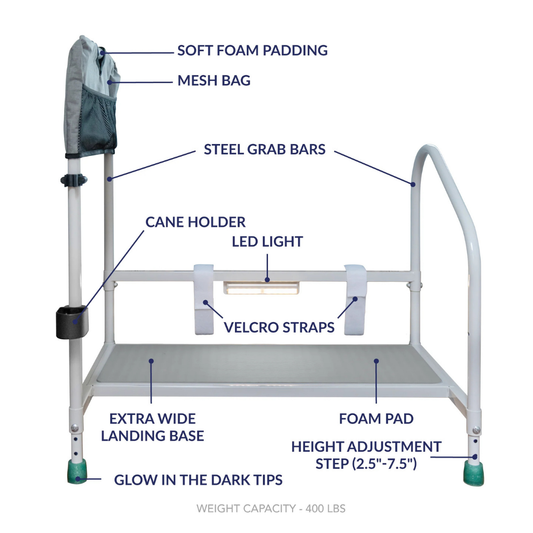
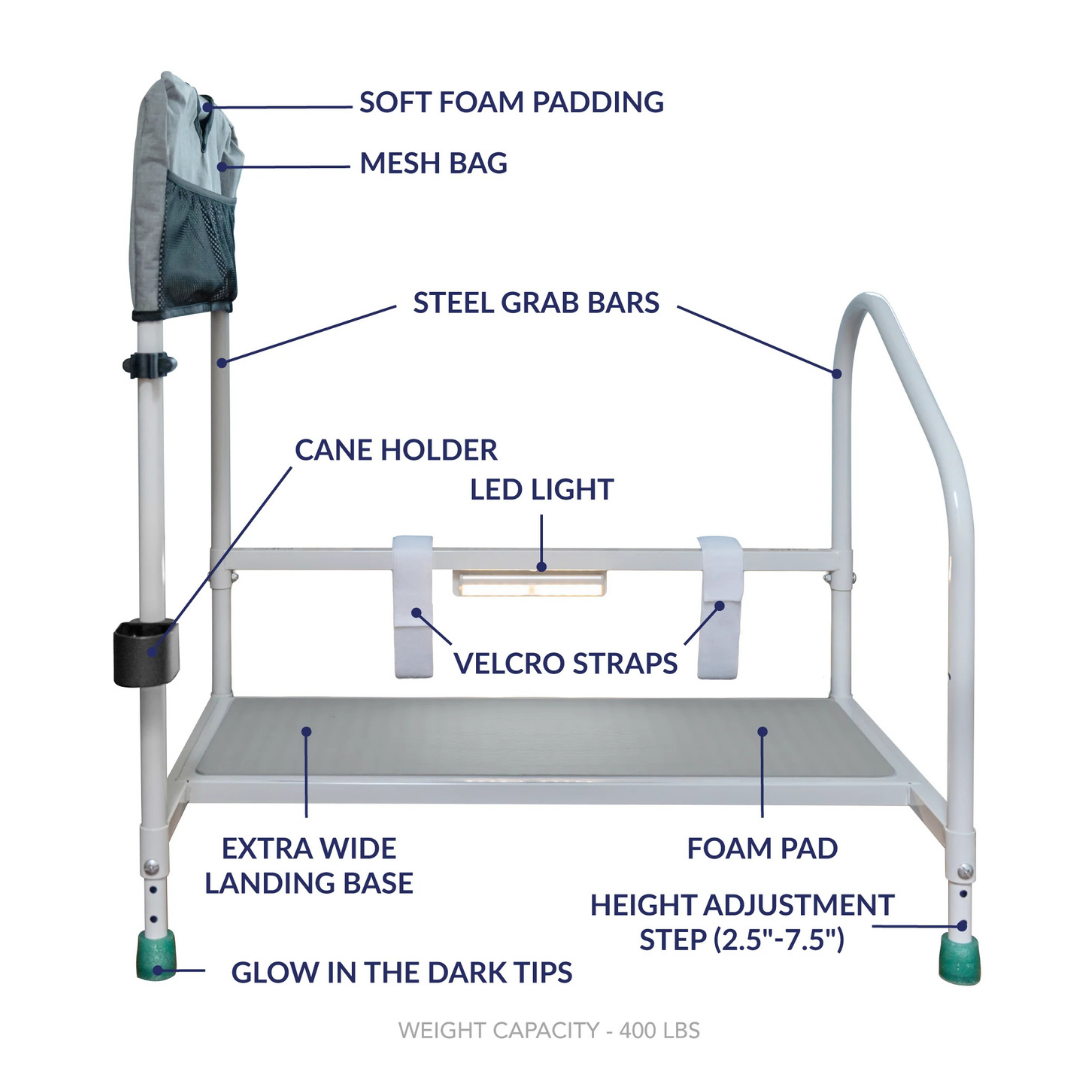
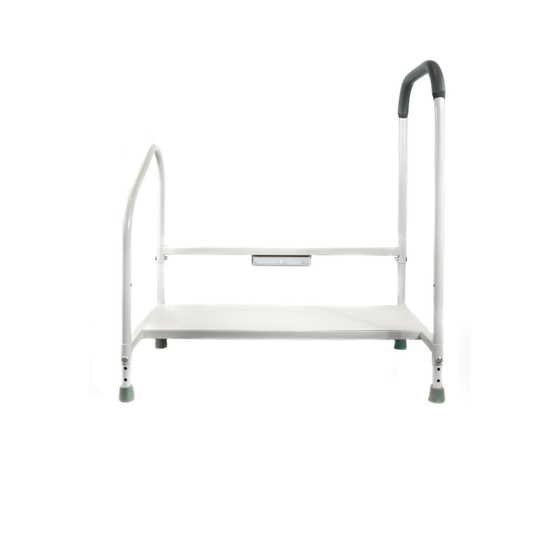
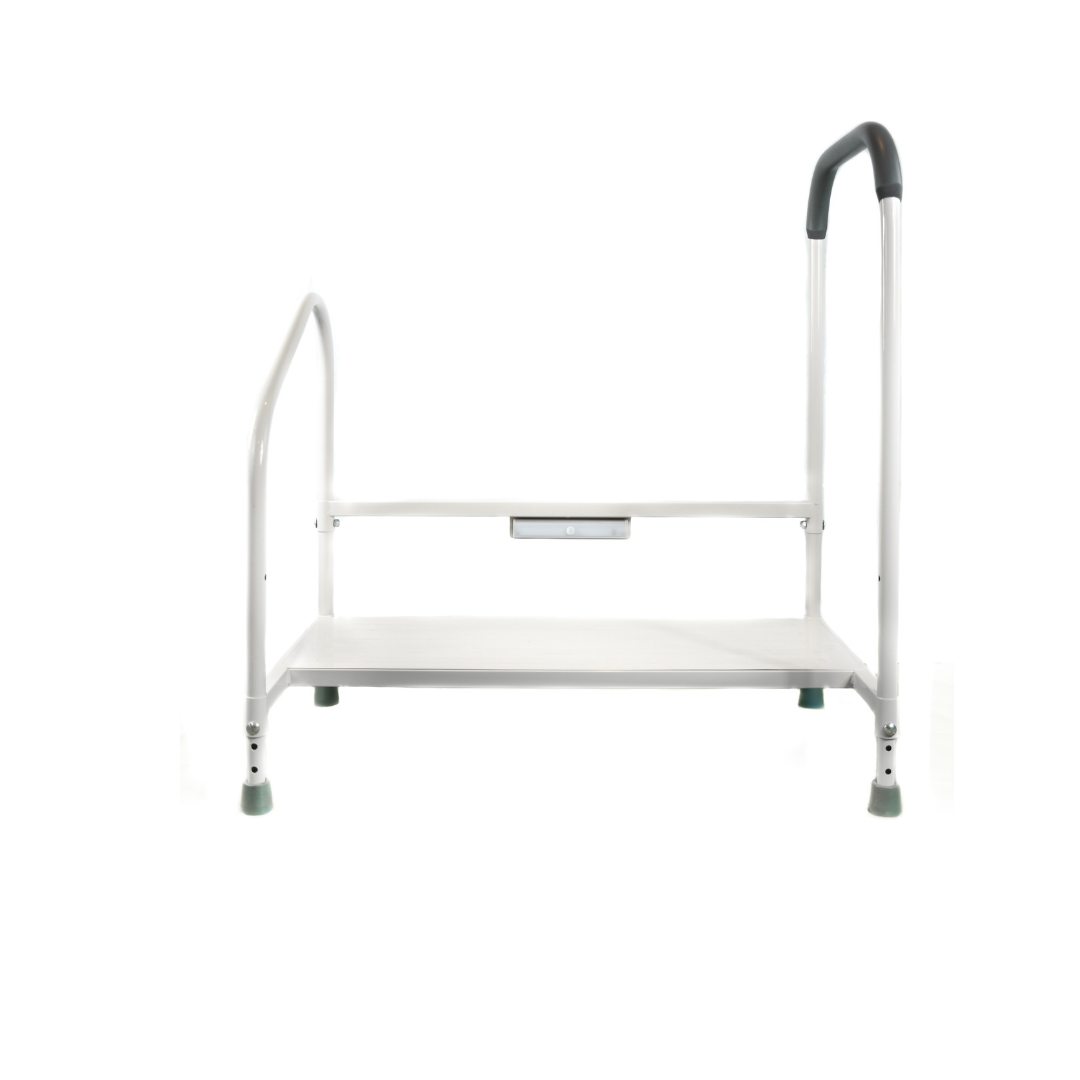


Aging in place home modifications are not about converting a home into a clinical setting. Rather, it is the process of making strategic, evidence-based updates to enhance safety, accessibility, and comfort as an individual's physical needs evolve.
This is a concept known as future-proofing a living space. The objective is to make thoughtful adjustments that support long-term independence, preventing the need for reactive, crisis-driven decisions following an accident or health event.
The Goal of Aging in Place Home Modifications
The principle behind aging in place modifications is similar to installing safety features in a vehicle. Seatbelts, airbags, and anti-lock brakes are not added after an accident; they are integrated proactively to prevent injury.
Home modifications operate on the same logic. They are not merely a reaction to a fall or a new medical diagnosis. Instead, they are a fundamental part of a forward-thinking plan to create a home that supports an individual through every stage of life.
The core objective is to identify and mitigate potential barriers to safety and comfort before they become significant problems. This is what enables individuals to remain in the homes they love, surrounded by their community and memories, without sacrificing their dignity or independence.
This desire to remain at home is well-documented. A staggering 75% of American adults over 50 wish to remain in their current homes as they age. However, a significant gap exists between desire and reality: only 10% of homes in the U.S. are considered 'aging-ready,' equipped with even the most basic accessibility features.
Home Safety Hotspots and Medical Solutions
To bridge this gap, it is crucial to understand where the highest risks lie and which modifications offer the greatest impact. Most household accidents for older adults occur in predictable areas, and the solutions are often well-established medical and safety interventions.
| Problem Area | Common Risk | Essential Modification Solution |
|---|---|---|
| Bathroom | Slips and falls on wet surfaces; difficulty getting in/out of tub | Install grab bars, a walk-in tub or shower, and a non-slip bath mat |
| Kitchen | Reaching high cabinets; bending for low appliances; poor lighting | Add pull-down shelving, raise the dishwasher, and install under-cabinet lighting |
| Stairs/Entryways | Tripping hazards; difficulty climbing steps | Add handrails on both sides, improve lighting, and consider a ramp or stairlift |
| Bedroom | Difficulty getting in/out of bed; poor lighting for nighttime trips | Use an adjustable bed, install bedside lighting, and clear pathways to the door |
These are foundational modifications that address the most common physical challenges. The key is to conduct a systematic evaluation of the home, specifically looking for these types of environmental hazards.
From Simple Swaps to Essential Installations
Aging in place home modifications exist on a spectrum, from simple product additions to structural renovations. It is a misconception that the process always requires extensive and costly construction. In fact, some of the most effective changes are small and affordable.
These modifications generally fall into three key categories:
- Safety Enhancements: These are designed to reduce the risk of accidents, particularly falls, which are the leading cause of injury for older adults.
- Accessibility Improvements: These changes make it easier to navigate and use the home, especially for individuals using a walker, wheelchair, or other mobility device.
- Comfort and Convenience Upgrades: These focus on reducing physical strain and making daily tasks less ergonomically demanding.
An excellent first step is to perform a systematic home evaluation. To begin this process, you can use our comprehensive guide to conducting a home safety assessment.
Why Proactive Modifications Matter
A reactive approach to home safety often occurs too late. It is common for an individual to recognize the need for grab bars in the shower only after a fall has occurred. In these situations, decisions are made under stress, and the implementation is often rushed.
The most successful approach to aging in place involves creating a living space that works with you, not against you, as your needs evolve over time. It’s about making your home an ally in your journey to stay independent.
When you plan ahead, you can thoughtfully integrate changes that not only boost safety but also genuinely improve your quality of life. For instance, replacing twist-style doorknobs with lever handles is a simple modification that significantly benefits individuals with arthritis or reduced grip strength.
Installing a walk-in tub is not just a safety measure; it's a way to continue enjoying the therapeutic benefits of bathing without the risk of climbing over a high tub wall. These changes are about empowerment. They provide the tools and the environment necessary to live confidently and securely, ensuring the home remains a source of comfort, not a collection of obstacles.
Your Room-by-Room Modification Checklist
Approaching a whole-home modification can feel overwhelming. The most effective strategy is to break the process down into a series of smaller, room-specific upgrades. This allows for a focused approach that prioritizes high-risk areas first, ensuring that time and resources are allocated for maximum impact on daily safety and independence.
At its core, a home prepared for aging in place balances three key principles: Safety, Access, and Comfort.

These three elements are interdependent. A home that is safe but inaccessible, or accessible but uncomfortable, fails to provide comprehensive support.
The Bathroom: Your Highest Priority
From a clinical safety perspective, the bathroom is unequivocally the most critical room to secure. The combination of water, slick surfaces, and the physical actions of bending, turning, and balancing makes it the primary location for falls in the home. Fortunately, a few strategic modifications can dramatically reduce this risk.
Focus initial efforts on these evidence-based solutions:
- Grab Bars: This is a non-negotiable safety feature. Professionally installed grab bars next to the toilet and inside the shower provide crucial support for sitting, standing, and maintaining balance.
- Shower Chairs and Benches: Standing on a wet, slippery surface presents a significant fall risk. A sturdy shower chair allows for a safe, seated bathing experience, effectively eliminating this hazard.
- Raised Toilet Seats: A standard-height toilet can place significant strain on the knees and back. A raised toilet seat, particularly one with integrated armrests, reduces the distance one must lower themselves, making the process safer and less physically demanding.
One of the most common regrets we hear from older adults is waiting too long. By the time they realize they need grab bars, it’s often after a fall or a scary close call.
For major overhauls, resources on bathroom renovations in NSW can provide a great roadmap for design and planning, no matter where you live. If you're focused on equipment, it's worth learning about the different types of bathroom safety equipment for the elderly to find what truly fits your needs.
The Kitchen: Making Daily Life Easier
While the kitchen is often the center of daily life, its design can present ergonomic challenges. The goal of modifications here is not necessarily a full remodel, but rather to reduce physical strain during routine tasks.
Consider these practical, high-impact upgrades:
- Pull-Out Shelves: Bending and reaching into deep lower cabinets can be difficult. Installing pull-out shelves and pull-down systems for upper cabinets brings items to an accessible level, reducing strain.
- Lever-Style Faucets: For individuals with arthritis or limited hand strength, twisting small faucet knobs can be painful. A single-lever faucet that can be operated with the side of the hand is a significant ergonomic improvement.
- Better Task Lighting: Shadows from overhead lighting can impede vision during food preparation. Under-cabinet LED lighting provides bright, direct illumination on countertops, improving safety for tasks like chopping and measuring.
Entryways and Hallways: Forging a Clear Path
Safe navigation is essential for mobility. Entryways and hallways are the main thoroughfares of a home and must be clear, well-lit, and wide enough for easy passage, especially if a walker or wheelchair is used.
Focus on creating seamless transitions with these changes:
- Zero-Step Entrances: Even a single step can be a major barrier. A step-free entrance is the ideal solution. When this is not feasible, a sturdy, high-quality portable ramp provides an effective alternative.
- Light the Way: Ensure all hallways and entry points are brightly illuminated. Motion-activated night lights are a low-cost, effective way to prevent trips and falls during nighttime mobility.
- Wide, Uncluttered Pathways: Remove all throw rugs, which are a common tripping hazard. Clear away unnecessary furniture to create unobstructed pathways through the main traffic areas of the home.
The Bedroom and Living Room: A Focus on Comfort and Mobility
Living areas and the bedroom should be places of rest and recuperation. Modifications in these rooms focus on enhancing comfort and facilitating safe movement, particularly when getting up from a seated or lying position.
An adjustable bed, for example, is a valuable piece of medical equipment. Elevating the head can ease respiratory issues, while raising the feet can improve circulation. Critically, the ability to adjust the bed's position can provide the necessary support to get in and out of bed safely.
In the living room, a lift chair can be one of the most empowering pieces of furniture an individual can own. With the push of a button, it gently tilts and lifts to a near-standing position, removing all strain from the knees and back. This single device can restore the ability to stand up independently, promoting engagement and social interaction.
Essential Equipment for Mobility and Independence
Once the physical layout of the home is addressed, the next step is to introduce specialized equipment that directly enhances mobility and independence. These tools are medical necessities, not mere conveniences. They function as keys that unlock a safer, more active life within the home, bridging the gap between an individual's abilities and their environment.

This equipment is what makes aging in place a practical reality, transforming potential hazards into manageable daily tasks. From navigating entry steps to safely getting out of bed, the right tools are critical.
Ramps For Seamless Home Access
For an individual with mobility challenges, a single step can be a significant obstacle. Ramps provide a sloped, smooth surface for anyone using a wheelchair, scooter, or walker. They are available in several forms, each designed for a specific application.
- Threshold Ramps: These are small wedges designed to bridge the raised lip of a doorway threshold. They prevent wheels from catching and eliminate a common tripping hazard, allowing for smooth transitions between rooms.
- Portable Ramps: Typically made of lightweight aluminum, these foldable ramps are ideal for overcoming one to three steps. Their portability offers a flexible solution when a permanent ramp is not practical.
- Modular Ramps: For higher entryways, a modular ramp system is the appropriate solution. These are professionally installed, semi-permanent structures built from interlocking sections that are configured to meet specific safety and slope standards (e.g., ADA guidelines).
The selection of a ramp is determined by the specific access points of the home and the height that needs to be traversed.
Beyond the Stairlift: Alternatives and Benefits
Stairs often represent the single greatest barrier to full use of a home. While a stairlift is a common solution, it is not the only option. In some cases, an alternative can provide greater flexibility and safety.
An inclined platform lift, for example, transports a person while seated in their wheelchair up a flight of stairs, eliminating the need for transfers at the top or bottom. Where space permits, a vertical platform lift (also known as a "porch lift") functions like a small, open-air elevator, providing access to raised decks, porches, or even between floors. These solutions ensure that all areas of the home remain accessible.
Advanced Beds and Mattresses for Health and Comfort
The bedroom should be a place of rest, but a standard bed can present significant challenges for many. Modern hospital-style beds and specialized mattresses are designed not only for comfort but to actively promote health and ease the burden on caregivers.
An adjustable bed is more than a luxury; it's a medical tool that helps with circulation, reduces pressure on the body, and makes getting in and out of bed easier. Raising the head can ease breathing issues, while being able to raise and lower the entire bed makes transfers far safer and less strenuous for caregivers.
Pairing an adjustable frame with the correct mattress is crucial for clinical outcomes.
- Alternating Pressure Mattresses: These contain air cells that inflate and deflate on a programmed cycle, continuously redistributing pressure on the body. This is a vital feature for preventing the development of painful and dangerous pressure sores (decubitus ulcers) in individuals with limited mobility.
- Low Air Loss Mattresses: The surface of these mattresses is perforated with tiny holes that allow a small amount of air to escape. This function wicks away moisture and keeps the skin cool and dry, another critical factor in preventing skin breakdown.
Ensuring Compatibility with Mobility Devices
Integrating a power scooter or wheelchair into the home requires more than just an accessible entrance. For true freedom of movement, the indoor environment must be compatible with the device. This is especially true for flooring; in kitchens and bathrooms, options like non-slip vinyl flooring can dramatically cut down the risk of falls.
A few key environmental factors to assess:
- Doorway Width: Standard interior doorways are often too narrow. They should be widened to a minimum of 32 inches, with 36 inches being the ideal for comfortable passage.
- Hallway and Turning Space: Hallways must be wide and free of clutter. A clear space of 5-foot by 5-foot is the standard required for a wheelchair to execute a 180-degree turn, which is crucial in areas like the kitchen or bedroom.
- Floor Surfaces: Wheeled mobility devices move much more easily over smooth, hard surfaces than on thick, high-pile carpet. This also makes it easier to use other devices; if you're curious about this, you can read our guide on rollator walkers.
Making homes more accessible isn't just a niche idea—it’s a massive and growing movement. Projections show that by 2026, a staggering 78% of seniors are expected to age in place. This shift is powered by the equipment that makes staying home both safe and practical. Products like stairlifts, walk-in tubs, and grab bars have become staples, right alongside mobility aids like power scooters and transfer devices that help people keep their independence.
How to Budget and Pay for Home Modifications
The cost associated with home modifications can be a significant concern. However, creating a safe and comfortable home for aging in place does not have to be financially prohibitive. The key is to develop a structured financial plan.
It is a common misconception that all modifications involve large-scale, expensive renovations. In reality, some of the most impactful safety upgrades are affordable and can be implemented immediately, providing instant functional improvement and peace of mind.
Breaking Down the Costs: From Small Fixes to Major Renovations
A tiered approach to budgeting can help prioritize immediate needs while planning for larger projects.
-
Low-Cost DIY Wins ($50 - $500): These are quick, high-impact upgrades that can often be completed with minimal expense. Examples include adding non-slip mats in the tub, installing stick-on motion-sensor night lights in hallways, or swapping cabinet knobs for easier-to-grasp pull handles.
-
Mid-Range Investments ($500 - $3,000): This tier includes essential pieces of equipment that significantly enhance independence. A high-quality lift chair, a portable ramp for navigating steps, or a premium adjustable bed often fall into this price range.
-
Major Renovations ($3,000 - $20,000+): These are larger projects that typically require licensed contractors. This includes a full bathroom remodel to install a walk-in tub, widening doorways to accommodate a wheelchair, or installing a permanent stairlift.
This tiered approach allows for incremental improvements to home safety, starting with the most critical needs first.
The table below provides a clearer understanding of estimated costs for common modifications and potential funding sources.
Modification Cost and Funding Options Overview
| Modification Type | Estimated Cost Range | Common Funding Options |
|---|---|---|
| Grab Bars (Professional Install) | $200 - $600 | HSA/FSA, Medicare Advantage, Private Pay |
| Walk-in Shower Conversion | $4,000 - $15,000 | VA Grants, State Programs, Private Pay |
| Stairlift | $3,000 - $12,000 | VA Grants, Financing, Private Pay |
| Wheelchair Ramp (Permanent) | $1,500 - $8,000 | VA Grants, State Programs, Private Pay |
| Lift Chair | $600 - $2,500 | HSA/FSA, Medicare Part B/Advantage, Financing |
| Hospital Bed | $800 - $5,000 | HSA/FSA, Medicare Part B/Advantage, Financing |
Note that these are estimates. Final costs will vary based on the specific home, product choices, and regional labor rates.
How to Pay: Your Financial Toolkit
Once costs are estimated, the next step is to explore payment options. Many individuals have more resources available than just their personal savings.
Using Pre-Tax Funds for Eligible Equipment
An often-overlooked financial tool is a pre-tax health account. Funds from a Health Savings Account (HSA) or a Flexible Spending Account (FSA) can be used for qualifying medical purchases, effectively providing a discount equivalent to one's tax rate.
A significant number of aging-in-place items may qualify. You can learn more by reading our guide on durable medical equipment.
Key takeaway: Items like grab bars, shower chairs, raised toilet seats, patient lifts, hospital beds, and even lift chairs are often eligible for HSA/FSA funds, as long as they are intended to treat or alleviate a medical condition.
It is always advisable to confirm eligibility with your plan administrator, but leveraging these accounts can make essential equipment significantly more affordable.
Exploring Other Funding Sources
For larger investments like a power wheelchair or a full bathroom remodel, the upfront cost can be a barrier. Other funding strategies can help.
-
Financing: Services like Affirm allow you to acquire necessary equipment immediately and spread the cost over time through manageable monthly payments. This is an excellent option for addressing an urgent need without depleting savings.
-
Medicare & Medicaid: Traditional Medicare (Part B) may cover "durable medical equipment" like walkers or hospital beds if a physician certifies them as medically necessary. While it typically does not cover home modifications like ramps, some Medicare Advantage (Part C) plans offer supplemental benefits that may include home safety items.
-
State & Local Programs: Many states and local Agencies on Aging offer grants or low-interest loans for seniors needing to make safety modifications. These programs are designed to help people remain in their homes safely and avoid more costly institutional care.
-
Veterans Affairs (VA): The VA offers several powerful grants for veterans. The Specially Adapted Housing (SAH) grant, for instance, helps service members and veterans with certain service-connected disabilities finance home modifications.
Building a financial plan involves a multi-pronged approach: budget carefully, utilize pre-tax accounts for eligible equipment, and research grants and financing options to cover remaining costs. With this layered strategy, making a home safe and accessible is an attainable goal.
DIY or Pro? Deciding Who Should Install Your Home Modifications
A critical decision in the home modification process is whether to perform the work yourself (DIY) or hire a professional. This choice extends beyond budget considerations; it is fundamentally about safety and the long-term reliability of equipment that you or a loved one will depend on daily.
An incorrect decision can lead to serious consequences. To guide this choice, home modifications can be categorized into three distinct tiers. This framework helps clarify which tasks are safe for a DIY approach and which require professional expertise.

Simple DIY Projects
These are "plug-and-play" solutions that do not require altering the home's structure, plumbing, or electrical systems. If you are comfortable assembling flat-pack furniture, these tasks are well within your capability.
Common examples include:
- Assembling a Shower Chair: These products typically come with simple, tool-free assembly instructions.
- Placing Non-Slip Mats: This involves simply placing a mat in the tub or on the bathroom floor to increase traction.
- Changing Doorknobs to Lever Handles: This is a basic hardware replacement that usually requires only a screwdriver.
With 73-75% of adults over 50 hoping to stay in their homes, the demand for easy, effective modifications is surging. Even though only 10% of homes are currently considered "aging-ready," these simple upgrades can make a huge difference without breaking the bank. You can see more about how the home building industry is adapting for aging in place on NewHomeSource.com.
Skilled DIY for the Confident Handyperson
This next tier of projects is suitable for an experienced handyperson who possesses the correct tools and a solid understanding of residential construction. These modifications require precision because failure carries a significant risk of injury. The most critical skill in this category is the ability to locate wall studs.
A grab bar that isn’t anchored securely into a wall stud is not just ineffective—it's a hazard. It creates a false sense of security and will fail under pressure, causing the very fall it was meant to prevent.
Tasks in this category include:
- Installing Grab Bars: This requires a high-quality stud finder and the ability to drill and anchor the bar so it can support several hundred pounds of force.
- Installing a Handheld Showerhead: This is often a simple screw-on replacement but can sometimes involve minor plumbing adjustments.
- Setting Up a Bed Rail: This involves ensuring the rail is firmly attached to the bed frame to prevent shifting or detachment.
If you’re thinking about installing your own grab bars, getting it right is non-negotiable. For a detailed, step-by-step guide, check out our guide on how to install grab bars in your bathroom to ensure a safe and secure setup.
Professional-Only Installations
This final category of work must be performed by licensed professionals. These are complex projects involving a home's electrical, plumbing, or structural systems. Attempting to DIY these installations is not only dangerous but can also void homeowner's insurance and violate local building codes.
Always hire a licensed professional for:
- Stairlift and Platform Lift Installation: These devices have complex electrical and mechanical systems that demand precise installation for safe operation.
- Walk-in Tub or Roll-in Shower Conversion: This is a major bathroom renovation requiring expert plumbing, waterproofing, and construction skills.
- Permanent Ramp Installation: Constructing a ramp that meets ADA-recommended slope and safety standards is a job for an experienced contractor.
- Widening Doorways: This is a structural modification that involves reframing a portion of a wall and must be done by a professional.
When seeking professional help, look for a Certified Aging-in-Place Specialist (CAPS). These contractors have undergone specialized training in the design and implementation of safe, functional, and aesthetically pleasing home modifications.
It is also highly recommended to consult with an Occupational Therapist (OT). An OT can conduct a comprehensive home assessment to identify specific needs and recommend the most impactful modifications, ensuring every change directly supports the goal of independent living.
Your Top Questions About Home Modifications, Answered
Initiating the process of making a home safer for aging in place can bring up many questions regarding cost, safety, and prioritization. This is a significant undertaking, and it is natural to feel uncertain about the details.
Based on our experience assisting countless families through this process, we have compiled clear, straightforward answers to the most frequently asked questions to help you proceed with confidence.
What Is the Most Important Room to Modify First?
Without a moment's hesitation: the bathroom. This is where your focus should be first. The combination of wet floors, hard surfaces, and the constant need to sit, stand, and move around in a tight space makes it the number one location for falls in the home.
Starting here provides the greatest return on investment in terms of immediate safety and peace of mind. A few simple changes can make a world of difference:
- Grab Bars: Essential for stability next to the toilet and inside the shower or tub. They provide a steadying hand right where you need it most.
- Shower Chair or Bench: This is a game-changer. It allows you to bathe safely while seated, completely removing the risk of slipping while standing on a wet surface.
- Non-Slip Mats: A very low-cost, high-impact item that adds crucial traction to tub and shower floors.
By prioritizing the bathroom, you are addressing the single greatest area of risk within the home.
Can I Use My HSA or FSA for These Modifications?
Yes, absolutely. This is one of the most effective and underutilized methods for financing essential safety equipment. Many products that facilitate aging in place are officially classified as durable medical equipment (DME), making them qualified medical expenses.
You can use the pre-tax dollars in your Health Savings Account (HSA) or Flexible Spending Account (FSA) to purchase them. It’s like getting an instant discount. Eligible items typically include things like:
- Hospital beds and pressure-relief mattresses
- Lift chairs
- Patient lifts and transfer aids
- Bathroom safety equipment like shower chairs, transfer benches, and raised toilet seats
While it is always prudent to confirm eligibility with your specific plan administrator, using these accounts is an excellent way to make your home safer more affordably.
How Do I Know if I Need a Professional to Install Something?
This is a critical question, and the answer is rooted in safety, not just DIY skill level. The decision can be simplified with one test: what are the consequences if this item fails?
As a rule of thumb, if the failure of an item could lead to a serious injury, or if it requires changing your home's structure, hire a professional. This isn't the place to save a few dollars; it's about guaranteeing safety when it counts.
Here’s a quick guide to help you decide:
- Simple DIY: Assembling a shower chair, placing a non-slip mat, or swapping out doorknobs for lever handles. These tasks carry a very low risk if performed imperfectly.
- Skilled DIY: If you are genuinely proficient with tools, you might tackle installing a simple bed rail or a handheld showerhead.
- Professional Required: Anything that must bear a person's full body weight (grab bars, ceiling lifts, stairlifts) and anything involving plumbing or electrical work (walk-in tubs, powered lifts). A grab bar that isn't anchored into a stud is more dangerous than no grab bar at all, as it gives a false sense of security.
Are Aging in Place Modifications Covered by Medicare?
This is a frequent point of confusion, and the details are important. Original Medicare (Part B) may cover some "durable medical equipment" (DME), but only when prescribed by a physician as medically necessary. This category typically includes items like walkers, hospital beds, and wheelchairs.
However, Original Medicare does not pay for home modifications that are considered permanent fixtures or "home improvements." This means that items like grab bars, ramps, or walk-in tubs are generally not covered.
There is an important exception: Medicare Advantage (Part C) plans. These plans are administered by private insurance companies and often include supplemental benefits not covered by Original Medicare. Some of these plans do offer coverage for certain home safety modifications. If you are enrolled in a Medicare Advantage plan, you must review your specific plan documents or contact your provider to determine what benefits may be included.
Navigating the world of home modifications and durable medical equipment can feel complex, but you don't have to figure it all out on your own. DME Superstore offers a curated selection of products designed to enhance safety and independence, from lift chairs and hospital beds to bathroom safety aids and mobility scooters. Explore our solutions and find the support you need to age in place confidently and comfortably. Visit us at https://dmesuperstore.com to learn more.

