



Medical air mattresses are specialized therapeutic surfaces engineered for a critical purpose: preventing and treating painful pressure ulcers, more commonly known as bedsores. By actively redistributing a person's body weight, they help maintain healthy blood flow, making them an essential tool for individuals with limited mobility.
Why Medical Air Mattresses Are Essential for Patient Care
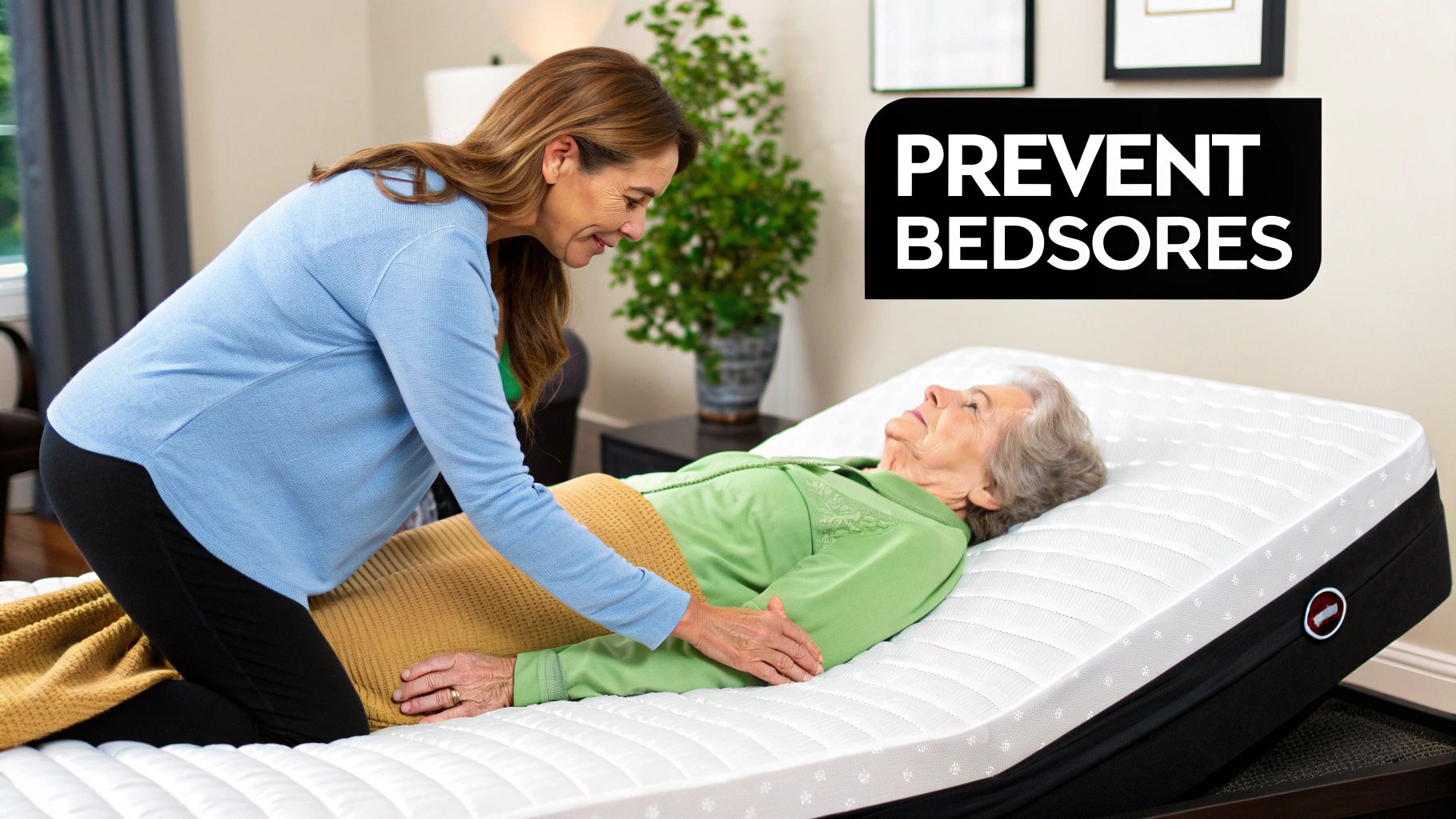
Consider a standard foam mattress. It's a passive surface that compresses under weight. For someone who cannot reposition themselves easily, the constant pressure on bony prominences like the heels, hips, and tailbone can restrict blood flow, leading to skin and tissue breakdown. This is where a medical air mattress fundamentally changes the approach to care.
Instead of a static surface, it offers a dynamic one. These mattresses are engineered to constantly and subtly shift support, ensuring no single part of the body bears the full load for too long. This proactive, therapeutic function is why they have become a cornerstone of modern patient care, both in hospitals and at home.
The Critical Role in Pressure Ulcer Prevention
Pressure ulcers, or bedsores, are a serious health risk for anyone confined to bed for extended periods. They can develop surprisingly quickly, cause significant pain, and lead to dangerous infections if not managed properly.
Medical air mattresses address this threat with two key therapeutic actions:
- Pressure Redistribution: The mattress is comprised of individual air cells that inflate and deflate in programmed cycles. This creates a gentle, wave-like motion beneath the body, constantly changing the points of contact and preventing pressure from concentrating in one area.
- Improved Blood Circulation: By relieving pressure, blood can flow freely to the skin and tissues, delivering the oxygen and nutrients needed for cellular health. This is vital for preventing tissue breakdown and supporting the healing of existing sores.
A medical air mattress is not just a more comfortable bed—it is a therapeutic device designed to maintain skin integrity. Its ability to dynamically manage pressure makes it a critical tool for patient safety and well-being.
Who Benefits Most from This Technology
While anyone on extended bed rest can benefit, these mattresses are particularly crucial for specific groups who are at a heightened risk of developing pressure sores.
The primary beneficiaries include:
- Elderly Individuals: As we age, skin becomes thinner and more fragile, making seniors more susceptible to pressure injuries.
- Post-Surgery Patients: Recovery often requires long periods of bed rest where mobility is severely restricted.
- Individuals with Chronic Conditions: People living with conditions like paralysis, multiple sclerosis, or severe arthritis often cannot reposition themselves independently.
- Bariatric Patients: A higher body weight creates more intense pressure points, increasing both the risk and potential severity of skin breakdown.
The growing demand for these solutions reflects global demographic trends. The market for medical air mattresses was valued at $2,623 million in 2025 and continues to grow. This aligns with the rising geriatric population, which is projected to exceed 1.5 billion people aged 65 or older by 2050.
This trend highlights a significant shift toward effective home-based care. You can explore the full market research about medical air mattress growth for more details, but the key insight is clear: understanding this technology is more important than ever for caregivers and families.
Understanding the Different Types of Medical Air Mattresses
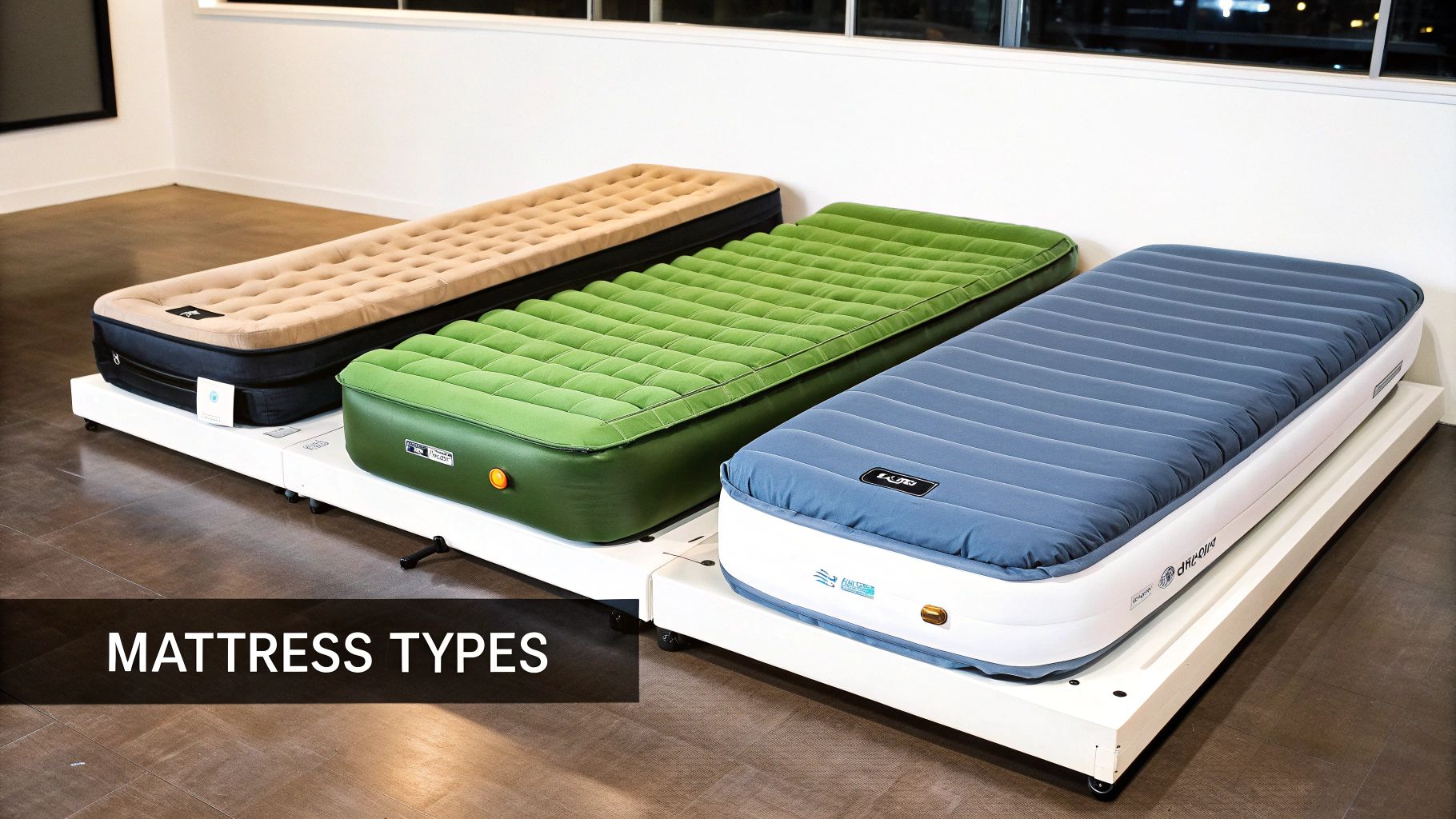
When researching medical air mattresses, you will quickly discover they are not a one-size-fits-all solution. Each type is engineered with specific technology to address different levels of pressure injury risk and patient needs. Learning about these categories is the first step toward making an informed choice for yourself or a loved one.
The primary difference between models lies in how they manage pressure and the skin's microclimate. Let’s break down the most common types, from advanced systems for high-risk individuals to simpler, supportive overlays.
Alternating Pressure Mattresses
An alternating pressure mattress functions like a gentle, continuous wave. These systems consist of multiple air cells that inflate and deflate on a controlled cycle, typically every 5 to 20 minutes.
This constant motion ensures that the points of contact between the body and the mattress are always changing. When one group of cells is firm, the adjacent cells are soft, effectively lifting the user off that spot for a moment. This active pressure shifting prevents any single area from bearing weight for too long, a critical feature for preventing tissue damage in individuals who cannot move on their own.
An alternating pressure mattress essentially mimics the body's natural fidgeting, which is vital for healthy blood flow. For someone who cannot reposition themselves, the mattress performs this essential function for them.
This technology is a cornerstone of advanced wound care. The market for these systems is projected to reach $1,147.88 million globally, reflecting their clinical importance. Studies have demonstrated that these mattresses can reduce the incidence of pressure ulcers by 50-70% in high-risk patients, making them a standard of care in both hospitals and home settings.
Low Air Loss (LAL) Mattresses
While alternating pressure technology focuses on movement, a Low Air Loss (LAL) mattress is designed to create a healthy skin environment. It functions as a breathable surface that actively manages heat and moisture.
LAL mattresses feature microscopic, laser-cut holes on the top surface of their air cells. A pump pushes a continuous, gentle stream of air through these openings, which wicks away perspiration and moisture from the user's skin. This creates a cool, dry microclimate that helps prevent skin maceration—the softening and breakdown of skin due to prolonged wetness—which significantly increases the risk of sores.
Many of the most effective medical air mattresses combine both technologies:
- Alternating Pressure with Low Air Loss (APLAL): The mattress provides cyclical pressure relief while also managing skin moisture.
- True Low Air Loss: These advanced systems allow the user to be immersed in the mattress while managing a high volume of airflow, often used to help heal existing, advanced wounds.
For a deeper dive into the mechanics, check out our guide on what an alternating pressure mattress is and how it works. It provides a closer look at how this vital technology operates.
Static or Overlay Mattresses
Not every individual requires a fully dynamic mattress system. For people with a low to moderate risk of developing pressure sores, a static air mattress or an overlay can be an effective and practical solution.
Unlike dynamic systems, these mattresses do not have moving parts. They are made of interconnected air cells inflated to a constant pressure, allowing the mattress to conform to the body and distribute weight more evenly than a standard foam mattress. An overlay is a thinner version designed to sit on top of an existing mattress, adding a layer of protection and comfort without requiring a full replacement.
These are excellent for:
- Enhancing comfort for individuals on short-term bed rest.
- Adding a basic layer of pressure redistribution for users who retain some mobility.
- Situations where a full dynamic system is not clinically necessary and budget is a consideration.
Bariatric Air Mattresses
Finally, bariatric medical air mattresses are specifically engineered to support higher body weights, often ranging from 600 to 1,000 pounds. These are far more than just wider versions of standard mattresses.
They feature reinforced construction, more powerful pumps, and deeper air cells to prevent "bottoming out"—a dangerous situation where a person's weight compresses the mattress so much they are essentially resting on the hard bed frame. These heavy-duty systems ensure that bariatric individuals receive the same therapeutic benefits of pressure redistribution and low air loss, tailored to their specific requirements.
To help you see the differences at a glance, we've put together a quick comparison of these technologies.
Comparing Medical Air Mattress Technologies
Here is a quick comparison of the primary types of medical air mattresses, outlining their main function, ideal user, and key benefits to simplify your selection process.
| Mattress Type | Primary Function | Ideal For | Key Benefit |
|---|---|---|---|
| Alternating Pressure | Cyclically inflates and deflates air cells to constantly redistribute pressure points. | Individuals with high risk of pressure ulcers; those who are immobile. | Prevents prolonged pressure on any single body part, mimicking natural movement. |
| Low Air Loss (LAL) | Pushes a gentle flow of air through micro-holes to manage skin temperature and moisture. | Users with existing wounds or those prone to sweating and skin maceration. | Creates a cool, dry microclimate to protect skin integrity and promote healing. |
| Static / Overlay | Uses a constant level of air pressure to contour to the body and distribute weight. | Low to moderate risk users; temporary bed rest; budget-conscious needs. | Provides better pressure distribution than foam at a lower cost than dynamic systems. |
| Bariatric | Provides robust pressure redistribution and support for higher weight capacities. | Individuals weighing from 600 to 1,000 pounds. | Prevents "bottoming out" and ensures therapeutic benefits for heavier users. |
Understanding these core differences is the key to matching the right technology to the right person, ensuring they get the comfort, safety, and therapeutic support they truly need.
Key Features to Consider When Choosing a Mattress
Once you have identified the appropriate type of medical air mattress, it is time to examine the specific features of different models. Product specifications can seem technical, but understanding what they mean in a practical sense is essential for making the best choice.
This section will help you decipher the key features, from pump settings to cover materials, and explain how each one impacts comfort, safety, and the mattress's therapeutic effectiveness.
Pressure Settings and Cycle Times
The control unit, or pump, is the heart of any dynamic air mattress. This device manages the inflation and deflation of the air cells, and its settings determine the mattress's therapeutic action.
Two of the most critical settings to understand are cycle time and comfort level.
- Cycle Time: This refers to the time it takes for the mattress to complete one full sequence of inflation and deflation. Most cycle times range from 10 to 20 minutes. Shorter cycles provide more frequent pressure shifts, which is often beneficial for high-risk individuals. Longer cycles create a gentler, less perceptible motion.
- Comfort Level: Nearly all pumps allow you to adjust the overall firmness. This is not merely a matter of comfort—it is a clinical setting. The goal is to find the optimal firmness where the user sinks in just enough for maximum pressure redistribution without "bottoming out" (sinking so far they can feel the hard bed frame below).
Mattress Design and Construction
Beyond the pump, the physical construction of the mattress itself is a major factor in its performance and safety. Let's look at the cell design, mattress height, and weight capacity.
Cell Design: Cell-on-Cell vs. Single Bladder
The air chambers inside the mattress, known as cells or bladders, come in several designs. The two most common are single bladder and cell-on-cell.
- Single Bladder: In this design, each air cell is a single, inflatable chamber. It is a straightforward and effective design found in many excellent alternating pressure systems.
- Cell-on-Cell: This more advanced design features two layers of cells. The top layer alternates as usual, while a bottom layer of static air cells remains constantly inflated. This provides a crucial safety feature: if the power fails, the bottom layer stays firm, preventing the user from sinking onto the bed frame.
A cell-on-cell mattress provides a built-in safety net. During a power failure, the static base layer offers peace of mind and continued support, making it an excellent choice for home care settings where immediate assistance may not be available.
Weight Capacity and Mattress Height
Weight capacity is a critical, non-negotiable specification. Always select a mattress rated to safely support the user's full body weight, with an added buffer. Bariatric models are specifically constructed for this purpose, with reinforced materials and much higher capacities, often supporting 600 to 1,000 pounds.
Mattress height, or profile, is another key detail. Thicker mattresses (typically 8 inches or more) offer superior pressure redistribution and are essential for heavier individuals to prevent bottoming out. Thinner mattresses or overlays (around 5 inches) can be suitable for lower-risk users but may not provide sufficient support for everyone.
Pump Features and Cover Materials
Often, small details can make a significant difference in daily use, especially for caregivers and individuals who value a quiet, restful environment. Pay close attention to the pump’s additional features and the mattress cover. For a deeper dive on how these systems work, you can learn more about low air loss mattress technology in our detailed guide.
Pump Noise Level, Alarms, and Static Mode
A quiet pump is essential for a peaceful room. Many modern pumps are engineered for near-silent operation, producing only a gentle hum. This is a crucial feature for light sleepers or anyone sensitive to noise.
Other important pump features include:
- Alarms: Quality pumps have both audible and visual alarms to alert a caregiver if the pressure drops too low or if there is a power failure. This is a critical safety feature that ensures the system is always functioning correctly.
- Static Mode: This useful function inflates all the cells to a firm, uniform level, temporarily pausing the alternating cycle. It creates a stable surface that makes it much safer and easier for caregivers to reposition, transfer, or provide care to the user.
Cover Materials: Breathability and Shear Reduction
The mattress cover is the surface in direct contact with the skin, so its material is incredibly important. A high-quality cover should be:
- Breathable and Water-Resistant: The fabric must allow air to circulate to help keep the skin dry while also protecting the mattress internals from spills or incontinence. Most are made from nylon with a polyurethane coating to achieve this balance.
- Low-Shear: "Shear" is the damaging friction created when skin is pulled across a surface. A smooth, low-shear cover material helps minimize this force, protecting fragile skin, particularly during repositioning.
- Easy to Clean: For proper hygiene, the cover should be easily removable and machine washable.
The Real-World Benefits and Crucial Precautions
Beyond technical specifications, medical air mattresses have a profound impact on health and quality of life. While their primary benefit is the prevention and treatment of pressure ulcers, the positive effects extend to improved pain management and sleep quality.
The core advantage lies in maintaining healthy skin and tissue. By constantly shifting a person's weight and promoting blood flow, these mattresses serve as the first line of defense against skin breakdown. This is a significant issue—in the U.S. alone, pressure ulcers affect 2.5 million patients annually, costing the healthcare system an estimated $11 billion.
More Than Just Skin Deep: Health and Comfort Wins
A therapeutic mattress surface does far more than just protect the skin. Many people discover a whole range of benefits that make a huge difference in their daily comfort.
- Pain Reduction: Lying in one position can create intense pressure points that are painful. By redistributing that pressure, the mattress can alleviate overall pain and may even reduce the need for pain medication.
- Improved Sleep Quality: The gentle motion of an alternating pressure mattress can be soothing. Combined with reduced pain, this often leads to more restful sleep.
- Moisture Control: For anyone who perspires heavily or deals with incontinence, Low Air Loss (LAL) technology is invaluable. It actively wicks moisture away from the body, keeping the skin dry and preventing the dampness that can lead to skin breakdown.
Considering other comfort solutions, such as specialized mattress toppers for bad backs, can also provide insights into how different support surfaces address specific comfort challenges.
Know the Limits: Essential Precautions
Despite their benefits, a medical air mattress is not appropriate for every situation. It is vital to understand when their use could be unhelpful or even dangerous. These limitations are known as contraindications.
The most critical contraindication is for individuals with an unstable spinal injury. The gentle but constant movement of an alternating pressure mattress could potentially worsen a spinal condition. In such cases, a completely stable, non-moving surface is essential.
It is also important to consider the individual's overall condition. For example, some people with sensory processing disorders might find the mattress's motion disorienting or unpleasant. This is precisely why obtaining professional medical advice is so important.
Your First Step: Always Consult a Healthcare Professional
The decision to use a medical air mattress should never be made in isolation. It must involve a doctor, physical therapist, or a wound care specialist.
These experts can properly assess a person's clinical needs, evaluate their skin integrity, and consider their complete health profile to determine if this technology is both safe and appropriate. This consultation ensures the chosen mattress aligns with the care plan, maximizing benefits while avoiding risks.
The medical air mattress market is growing rapidly—projected to reach $2.9 billion by 2030—driven by these powerful therapeutic models. To understand how these trends are shaping care options, you can discover more insights about the air mattress market on StrategicMarketResearch.com. A healthcare expert is your best guide to navigating these choices to find the perfect solution.
A Practical Checklist for Selecting Your Mattress
Choosing the right medical air mattress becomes much easier when you know what to look for. To make this guide truly practical, we have created targeted checklists for different user profiles and situations. This will help you focus on the features that will deliver the most comfort, safety, and therapeutic benefit.
Instead of a generic list, use these tailored guides. Whether you are an elderly individual, a post-operative patient, a bariatric user, or a family caregiver, this will help you put the information in this guide into action.
The decision tree below can help you start the thought process of whether a medical air mattress is a suitable option to explore with a healthcare provider.
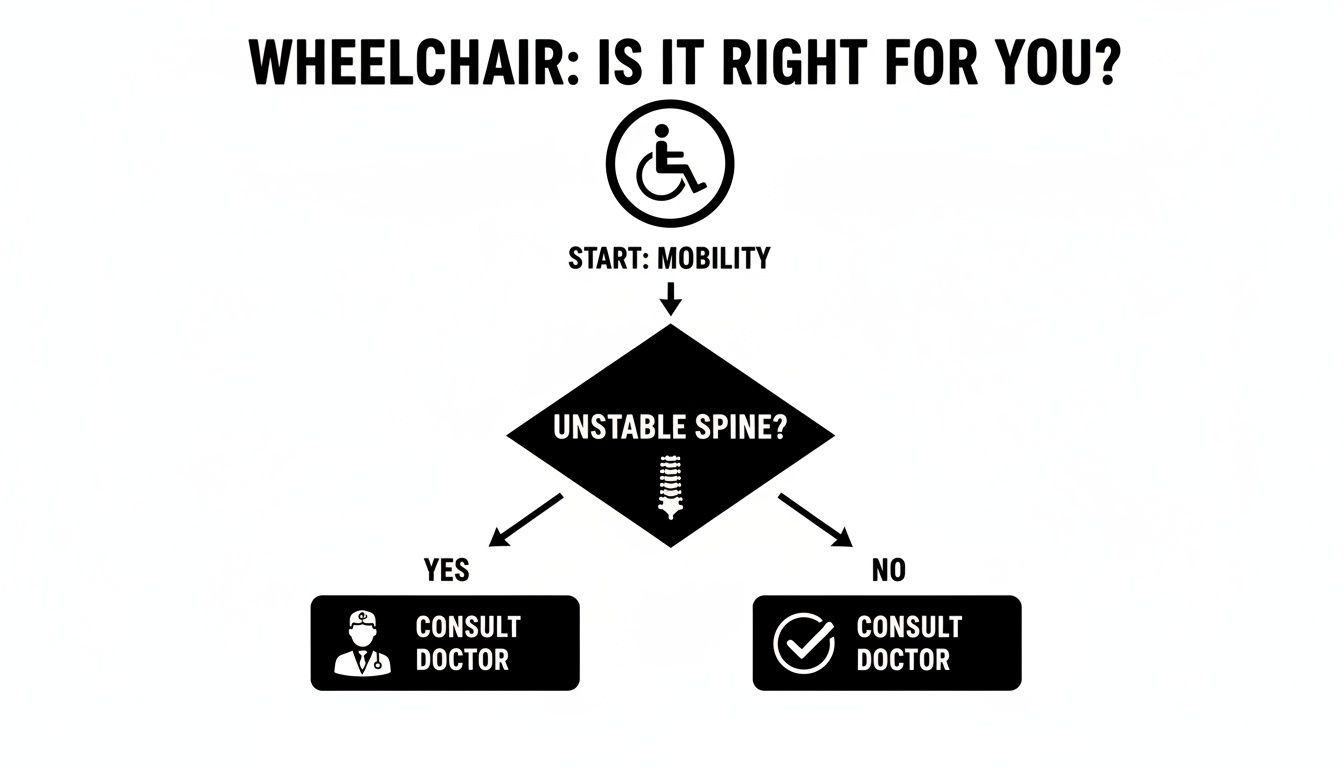
This visual guide highlights the most critical first step: always consult a medical professional, especially if there are potential contraindications like spinal instability.
Checklist for Elderly Individuals at Home
For seniors aging in place, comfort, safety, and simplicity are paramount. The goal is a supportive system that improves rest without adding technical complexity to daily life.
- Quiet Pump Operation: A noisy motor can disrupt sleep. Look for models specifically marketed as "quiet" or "low-decibel".
- Simple Controls: An intuitive control panel with clear labels is essential. Overly complex settings can be confusing and may be used incorrectly.
- Cell-on-Cell Design: This is a crucial safety feature. The bottom layer of cells remains inflated during a power outage, preventing the user from bottoming out on the bed frame.
- Comfortable, Low-Shear Cover: The cover should be soft, breathable, and minimize friction to protect fragile skin during repositioning.
- Adjustable Firmness: The ability to easily adjust the mattress firmness helps find the perfect balance between therapeutic support and personal comfort.
Checklist for Post-Operative Patients
After surgery, pain management and safe mobility are top priorities. The right mattress can significantly aid in the recovery process.
- Static Mode Function: This is a non-negotiable feature for recovery. It inflates all air cells to create a firm, stable surface, making it safer for the patient and caregiver to manage transfers in and out of bed.
- Alternating Pressure with Low Air Loss: This combination is the gold standard for preventing skin breakdown during prolonged immobility. It redistributes pressure while keeping the skin cool and dry.
- Pain-Relieving Support: Look for a system with customizable comfort settings that can be adjusted to reduce pressure on surgical sites and other sensitive areas.
- Antimicrobial Cover: A cover that is easily removable, machine washable, and resistant to microbial growth is vital for maintaining hygiene and preventing infection.
- Low-Pressure Alarm: An audible and visual alarm that signals a drop in air pressure provides peace of mind, ensuring the therapeutic surface is always functioning correctly.
Checklist for Bariatric Users
For bariatric individuals, the focus is on robust construction and superior support that can safely and effectively manage higher weight loads.
- High Weight Capacity: Ensure the mattress is rated to support the user's weight with a generous buffer. Capacities often range from 600 to 1,000 pounds.
- Increased Mattress Height: A thicker profile, typically 8 to 10 inches, is vital to prevent "bottoming out" and provide deep, effective pressure relief.
- Powerful, Heavy-Duty Pump: The pump must be strong enough to quickly inflate the larger air cells and maintain consistent pressure without strain.
- Durable Materials: Look for reinforced air cells and a rugged, puncture-resistant cover necessary for long-term performance.
- Wide Dimensions: The mattress should be wide enough to allow for comfortable positioning and turning without the risk of rolling off the edge. Our guide on how to choose the best pressure relief mattress offers more tips on matching mattress features to user needs.
Checklist for Family Caregivers
Caregivers need a system that is reliable, low-maintenance, and designed with features that make their demanding job easier and safer.
- Easy Setup and Operation: A system that is simple to assemble with straightforward controls reduces stress and ensures it is used properly from the start.
- Safety Alarms: Audible alerts for low pressure or power failure are critical, allowing for prompt intervention before a problem arises.
- CPR Valve: A clearly marked, quick-release valve is an essential safety feature. It allows the mattress to be deflated rapidly in an emergency.
- Durable, Easy-to-Clean Cover: A waterproof yet breathable cover that can be easily sanitized is a must for managing incontinence and maintaining a hygienic environment.
- Reliable Warranty and Support: Choose a product from a reputable brand that offers a solid warranty and accessible customer support for troubleshooting.
Making the Most of Your Mattress Investment
Purchasing a medical air mattress is a significant step toward better health, and it's important to maximize its value. Once you've selected the right model, practical questions arise: How can I pay for it? Should I rent or buy? And how do I maintain it for longevity?
This section serves as a practical guide to ownership. We'll cover smart payment options, help you decide between renting and buying, and share simple tips to keep your mattress in optimal condition for years to come.
Smart Ways to Fund Your Purchase
A quality medical air mattress is a healthcare investment. Fortunately, there are several ways to make it more affordable.
- FSA/HSA Eligibility: Your tax-advantaged accounts can be a great resource. All products here at DME Superstore, including our medical air mattresses, are eligible for payment using Flexible Spending Accounts (FSA) and Health Savings Accounts (HSA). Using these pre-tax dollars is an excellent way to reduce the overall cost.
- Financing Options: If you prefer to spread the cost over time, we offer financing through partners like Affirm. This option breaks the total price into manageable monthly payments, making it easier to fit into your budget.
Renting vs. Buying: Which is Right for You?
This is a common question, and the answer typically depends on the expected duration of need.
For short-term situations, such as a few weeks of recovery after surgery, renting is often the most sensible and cost-effective choice.
However, if the mattress is needed for long-term care due to a chronic condition or ongoing mobility issues, buying is almost always the more financially prudent option. The cumulative cost of renting for several months can quickly exceed the purchase price of a new mattress, which also comes with a full manufacturer's warranty.
Simple Maintenance for a Long Lifespan
Proper care is essential for getting years of reliable performance from your medical air mattress. A few simple, regular checks can prevent common issues and ensure the system functions correctly.
A medical air mattress is a piece of durable medical equipment. Like any important device, consistent, simple maintenance ensures it functions correctly and safely when you need it most.
Understanding how to clean a mattress effectively is important. For a medical mattress, focus on these three simple steps:
- Clean the Cover Regularly: The cover is your first line of defense against spills and germs. Most are designed to be easily unzipped and machine-washed. Follow the manufacturer’s instructions to keep it fresh and hygienic.
- Check Hoses and Connections: Periodically inspect the air hoses connecting the mattress to the pump. Ensure they are securely attached and are not kinked or pinched, which can obstruct airflow.
- Listen to the Pump: Become familiar with the normal operating sound of the pump. If you notice it running louder than usual, cycling incorrectly, or making a new noise, it could be an early indicator that it needs attention.
Your Questions Answered: Practical Tips for Medical Air Mattresses
When integrating a piece of medical equipment into a home, practical questions often arise. To help you feel confident, here are clear answers to some of the most common inquiries we receive.
Can I Use Regular Bed Sheets on a Medical Air Mattress?
While you can technically use standard sheets, it is crucial to avoid a tight fit. A sheet that is pulled too taut can constrict the individual air cells, preventing them from inflating and deflating properly.
This can negate the therapeutic benefit of the mattress. For best results, use stretchable knit sheets or fitted sheets with deep pockets. The goal is to allow the mattress surface to move and articulate freely without restriction.
How Loud Are the Pumps for These Mattresses?
Noise is a significant concern, especially for light sleepers. Fortunately, manufacturers have made great strides in this area. Modern medical air mattress pumps are designed for very quiet operation.
Most models produce only a low, gentle hum that easily blends into the ambient noise of a room. "Quiet operation" is often listed as a key feature. If a peaceful environment is a top priority, be sure to select a model that specifically highlights its low-decibel pump.
How Long Does a Medical Air Mattress Typically Last?
The lifespan of a medical air mattress depends on the quality of the model, its frequency of use, and how well it is maintained. On average, a quality system will provide several years of reliable service with proper care.
The pump is usually the first component that may require attention or replacement. Most reputable brands include a manufacturer's warranty that covers both the mattress and the pump, typically for one to two years. Following the simple maintenance tips outlined earlier is the best way to maximize the longevity of your investment.
At DME Superstore, our goal is to help you find the perfect support surface to improve comfort and protect skin health. Take a look at our complete collection and find the right solution for your home care needs today.


1 comment
It’s very good because l have a patient who can need it at home after discharge from hospital