



For individuals with mobility challenges, a standard bathtub can present a significant obstacle. The high threshold of a conventional tub transforms what should be a simple, relaxing daily routine into a source of anxiety and potential risk. Bathtubs for handicap access are specifically engineered to eliminate this barrier, offering a gateway to enhanced safety, dignity, and independence in the home.
Understanding the Importance of Bathroom Accessibility
The bathroom is frequently cited as one of a home's most challenging areas for older adults and individuals with mobility impairments who wish to live independently. A conventional bathtub requires a degree of balance, strength, and flexibility that can be difficult to manage, making it a primary location for falls. The risk of a slip can turn a routine bath into a stressful event for both the individual and their family.
An accessible bathtub is designed to fundamentally change this dynamic.
Instead of a high-walled obstacle, these tubs feature a watertight door that allows for easy entry. This single modification is profound, as it eliminates the need to lift a leg over a dangerously high ledge. It is a design principle that restores self-reliance and preserves personal dignity.
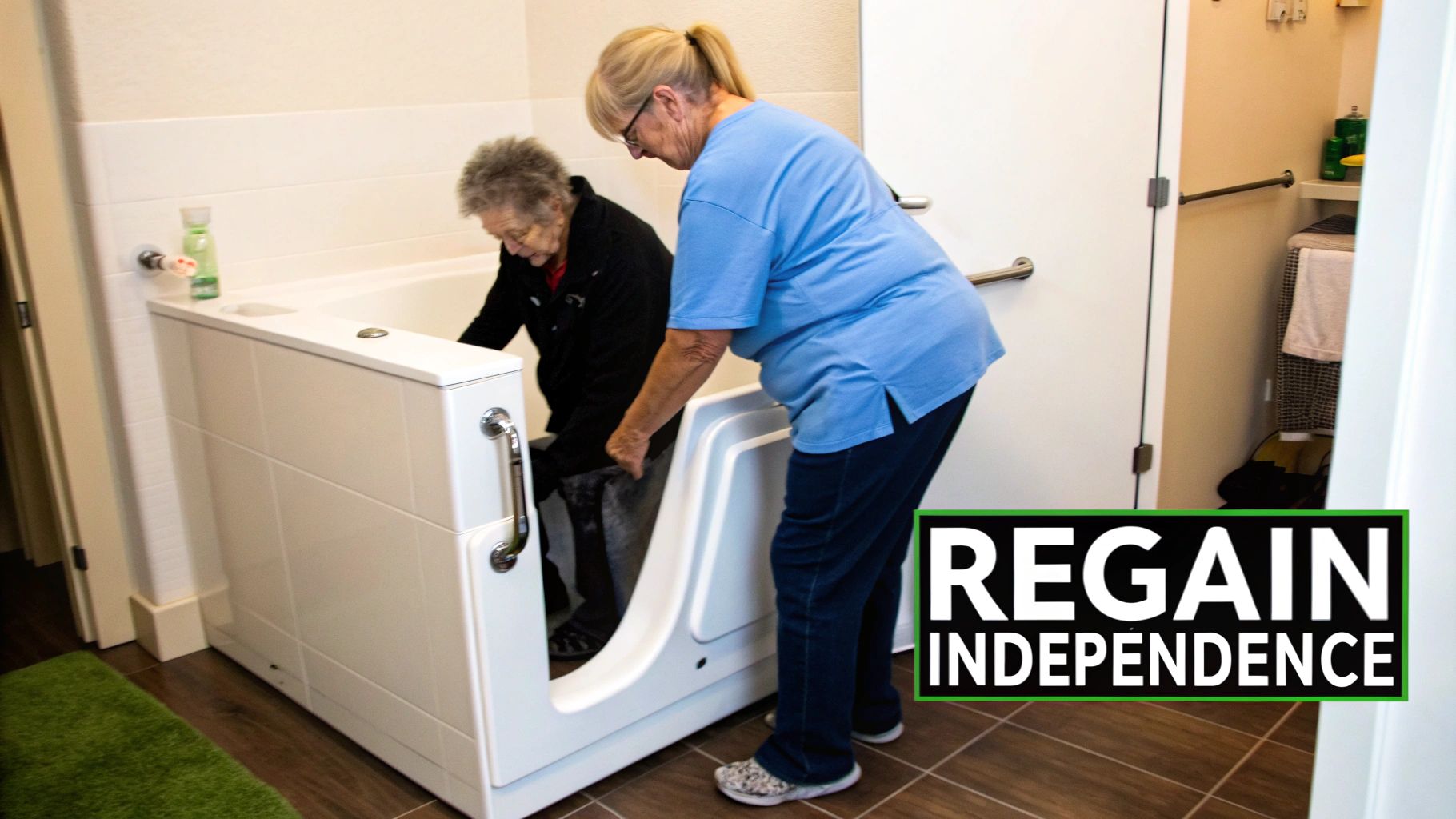
Establishing a Foundation of Safety and Confidence
At its core, a handicap-accessible bathtub is designed to create a safer bathing environment. According to the National Council on Aging, falls are the leading cause of both fatal and non-fatal injuries for older Americans, with a significant percentage of these incidents occurring in the bathroom. By addressing the root causes of these falls, accessible bathtubs provide invaluable peace of mind.
This guide serves as a practical roadmap, explaining the different types of accessible tubs, the installation process, and cost considerations. Our goal is to frame this decision not merely as a medical necessity but as a proactive investment in restoring comfort and confidence within one's own home. For a broader perspective on creating supportive living environments, the design principles for assisted living facilities offer valuable insights.
Key Benefits of Accessible Bathing Solutions
Upgrading to an accessible bathtub delivers numerous benefits that contribute to an improved overall quality of life.
- Promotes Autonomy: It empowers individuals to manage their personal hygiene without requiring assistance, which is a cornerstone of maintaining independence.
- Reduces Fall Risk: Features such as low-entry thresholds, anti-slip floors, and integrated grab bars directly mitigate the most common causes of bathroom falls. You can learn more in our guide on how to prevent elderly falls.
- Enhances Comfort and Therapy: Many models include therapeutic features like hydrotherapy jets, which can soothe muscle aches, alleviate arthritis pain, and improve circulation.
- Provides Peace of Mind: For family members and caregivers, the knowledge that a loved one can bathe safely and independently can significantly reduce worry and stress.
This is a journey to transform a challenging space into a sanctuary of safety and self-sufficiency, ensuring every day can begin and end with confidence.
Finding the Right Accessible Bathtub Type
Selecting the appropriate accessible bathtub is not a one-size-fits-all decision. The optimal choice for a home depends on the user's specific mobility level, degree of independence, and the bathroom's physical layout.
The demand for these specialized tubs reflects a growing awareness of home safety needs. The global market, valued at USD 10.72 billion in 2023, is projected to reach USD 18.22 billion by 2032. North America is a significant contributor to this growth, holding a 36.75% market share in 2023 as more households invest in creating safer, more accessible living spaces. You can find more details about these bathtub market trends online.
Understanding the primary types of accessible bathtubs is the first step toward making an informed decision—one that not only improves safety but also restores bathing independence.
Walk-In Tubs: The Popular Choice
Walk-in tubs are the most widely recognized type of accessible bathtub. Their defining feature is a watertight door integrated into the side, which eliminates the need to step over a high tub wall, thereby reducing the risk of a fall.
These tubs are an excellent solution for individuals who can walk and stand, even with some difficulty, and are able to manage a very low step. The entry threshold on a walk-in tub is typically only a few inches high, a significant improvement over the 14-to-20-inch wall of a standard tub. This design feature dramatically reduces the risk of slipping and falling during entry and exit.
Key Takeaway: The primary advantage of a walk-in tub is its low-entry threshold. This feature transforms the most hazardous part of bathing into a simple, manageable step, making it an ideal choice for users with moderate mobility challenges who can still stand and walk independently.
Slide-In Tubs: For Wheelchair Users
For individuals who use a wheelchair, even the low step of a walk-in tub can be a barrier. Slide-in tubs, also known as transfer tubs, are designed to address this specific need. They feature a large, outward-swinging door and a seat that is positioned at approximately the same height as a standard wheelchair.
This design facilitates a direct, lateral transfer. A person can position their wheelchair adjacent to the tub, open the door, and slide directly onto the built-in seat. This process eliminates the need for standing, pivoting, or lifting, creating a secure and direct path into the bath.
- Door Design: A large, outward-swinging door maximizes clear space for transfers.
- Seat Height: The seat is intentionally positioned at wheelchair height for a seamless slide-over transfer.
- Ideal User: This tub is best suited for full-time wheelchair users or anyone who cannot safely stand to enter a bathtub.
The direct-transfer method is a critical innovation that promotes self-sufficiency for wheelchair users and simplifies the process for caregivers.
Accessible Bathtub Types At a Glance
To illustrate the differences more clearly, the following table compares the most common types of accessible tubs. This information can help you determine which option best aligns with specific mobility needs and bathroom configurations.
| Bathtub Type | Best For | Key Feature | Pros | Cons |
|---|---|---|---|---|
| Walk-In Tub | Individuals who can stand and manage a small step. | Low-entry threshold with an inward or outward-swinging door. | Offers a deep soaking experience; many therapeutic features are available; fits most standard tub alcoves. | Requires the user to enter before filling and wait for it to drain completely before exiting. |
| Slide-In Tub | Wheelchair users or those who need to transfer from a seated position. | Wheelchair-height seat and a large, outward-swinging door. | Allows for safe, lateral transfers; promotes independence for wheelchair users. | The wide-swinging door requires significant clear floor space in the bathroom to open fully. |
Ultimately, the right accessible bathtub is one that aligns with the user's physical capabilities. A realistic assessment of mobility is essential for selecting a model that transforms bathing back into a safe and relaxing experience.
Crucial Safety and Comfort Features to Consider
After identifying the most suitable bathtub style, the next step is to examine the specific features that ensure a safe, comfortable, and therapeutic bathing experience. The true value of bathtubs for handicap accessibility lies in these well-designed details.
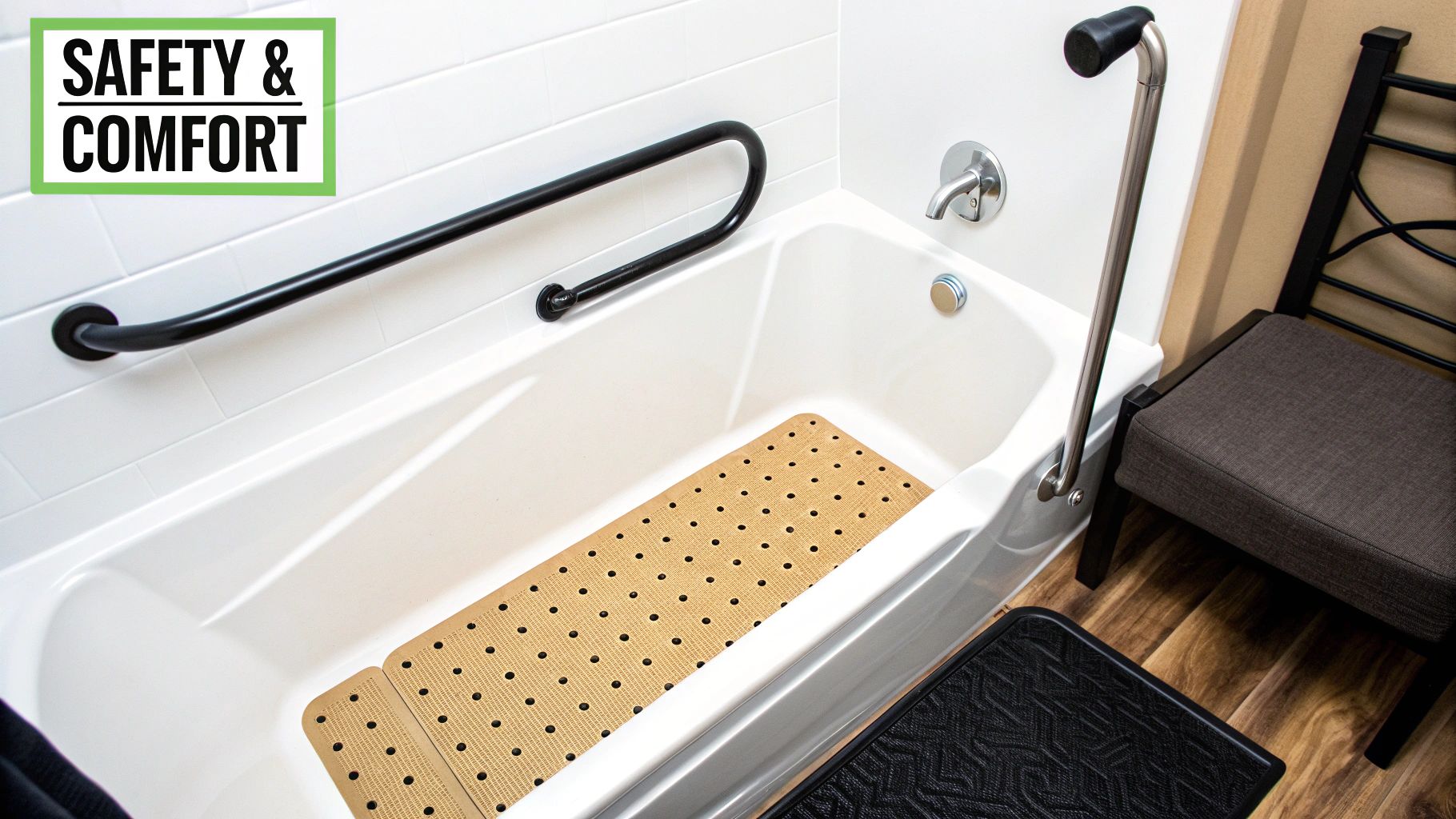
These features are not mere accessories; they are core components that contribute to a dignified and secure experience. Focusing on these elements will help you select a tub that actively prevents accidents and promotes well-being.
Non-Negotiable Safety Foundations
When selecting an accessible tub, safety is the paramount consideration. A wet bathroom is an inherently high-risk environment, but the right features work in concert to create a secure space that minimizes danger.
-
Ultra-Low Step-In Threshold: This is arguably the most critical safety feature of any walk-in tub. With thresholds as low as 2-4 inches, the need to lift one's leg high is nearly eliminated, providing a primary defense against trips and falls.
-
Anti-Slip Flooring: The entire floor of the tub must have a textured, non-slip surface. This provides essential grip for one's feet when the surface is wet and soapy, preventing slips that can lead to serious injury.
-
Strategically Placed Grab Bars: Sturdy, well-placed grab bars are essential. They should be integrated into the tub's design and positioned to assist with sitting, standing, and maintaining balance.
The importance of these features cannot be overstated. The North American market for walk-in tubs accounted for over 50% of global revenue in 2023, a figure driven by the urgent need for safer bathing options. With bathroom falls resulting in approximately 235,000 emergency room visits for seniors in the U.S. each year, these built-in protections are critical. You can discover more insights about the walk-in tub market to understand its connection to home safety.
Enhancing Comfort and Independence
Beyond core safety elements, a range of features can transform bathing from a daily necessity into a therapeutic experience. These additions make the tub more comfortable and easier to use, fostering greater independence.
A truly accessible bathtub doesn't just prevent accidents; it actively promotes well-being. Comfort features like contoured seating and handheld showers empower users to manage their personal care with ease and dignity, transforming a daily task into a moment of relaxation.
A built-in seat is a prime example. A comfortable, chair-height seat—typically 17 inches high—eliminates the need to lower oneself to the tub floor. This makes sitting and standing significantly easier, reducing strain on the back, hips, and knees. For those who may not require a full walk-in tub but still need seating support, a high-quality heavy-duty bathtub transfer bench can be an effective addition to a standard tub.
Features That Add a Touch of Therapy
Many modern bathtubs for handicap access now come with features designed to provide tangible therapeutic benefits, effectively turning a bathroom into a personal spa.
- Hydrotherapy Jets: Air or water jets gently massage sore muscles, ease arthritis pain, and can improve circulation. This is especially beneficial for individuals dealing with chronic pain or stiffness.
- Handheld Shower Wands: A long, flexible hose on a handheld shower wand simplifies rinsing while seated. It provides full control without requiring uncomfortable twisting or stretching.
- Quick-Drain Technology: A common concern with walk-in tubs is the need to wait for the water to drain before opening the door. Modern quick-drain systems use powerful pumps to empty the tub in under two minutes, preventing the user from becoming chilled.
By carefully evaluating this checklist of safety, comfort, and therapeutic features, you can compare different models effectively. This process ensures you select a tub that not only prevents falls but also enhances overall quality of life.
How to Plan Your Bathtub Installation
Installing an accessible bathtub involves more than simply selecting a new fixture. Proper planning is essential for a smooth and successful installation. This foresight helps identify potential challenges, facilitates clear communication with contractors, and ensures the new tub functions correctly from the outset.

Measuring Your Space Accurately
The first step is to take precise measurements. Before selecting a model, you must confirm that it will fit in the designated bathroom space and, just as importantly, that it can be transported to the bathroom.
Begin by measuring the exact dimensions of the area where the new tub will be installed, including the length, width, and height of the current tub's alcove. Next, measure the width of all doorways, hallways, and corners along the delivery path from the home's entrance to the bathroom. Accessible tubs are often bulkier than standard models, and careful measurement can prevent significant logistical problems.
Assessing Your Home's Infrastructure
In addition to physical space, your home's existing plumbing and electrical systems must be adequate for the new tub. Accessible tubs, particularly models with advanced features, have specific requirements that may exceed your current setup.
- Plumbing: A professional plumber should inspect your current drain and water supply lines to confirm they are correctly positioned and in good condition to support the new tub.
- Electrical Needs: Tubs with features like hydrotherapy jets or a quick-drain pump will almost certainly require a dedicated GFCI (Ground Fault Circuit Interrupter) protected circuit. This is a critical safety requirement that must be installed by a qualified electrician.
- Floor Structure: Walk-in tubs are heavy. An empty unit can weigh over 500 pounds, and when filled with water and occupied, the total weight can exceed 1,000 pounds. A professional must assess your floor joists to ensure they can support this load, especially in older homes or on upper floors.
- Water Heater Capacity: A deep-soaking accessible tub can hold 50 to 80 gallons of water or more. It is crucial to verify that your water heater has sufficient capacity to provide enough hot water for a comfortable bath. An upgrade to a larger tank or a tankless water heater may be necessary.
Pro Tip: Being prepared for your contractor is key. Providing accurate measurements and having a basic understanding of your home’s systems will enable them to give you a more precise quote and a realistic project timeline.
Planning for Necessary Home Modifications
In some cases, the installation process may require additional home modifications to ensure full accessibility. Anticipating these potential adjustments helps in budgeting and prevents last-minute surprises.
Widening doorways is a common modification. If the bathroom door is too narrow for the tub or a wheelchair, it may need to be expanded. This typically involves reframing the opening and installing a new, wider door.
This expert guide to bathroom renovation planning and costs is an excellent resource to consult as you map out the project steps and budget.
Consider other safety enhancements as well. The placement of grab bars around the tub is crucial for support. Our guide explains how to install grab bars in a bathroom to ensure they are positioned for maximum effectiveness. By planning ahead, you can bundle these smaller tasks with the main tub installation, creating a more efficient and cost-effective renovation.
Cracking the Code on Costs and Funding
Understanding the financial investment required for an accessible bathtub is a critical part of the decision-making process. This purchase directly impacts long-term safety and independence, so a clear picture of the costs involved allows for effective budgeting and exploration of potential funding sources.
The final price of bathtubs for handicap accessibility depends on several factors, including the type of tub, the brand, selected features, and the complexity of the installation within your specific bathroom.
This market is growing rapidly. The U.S. walk-in bathtub market reached USD 757.26 million in 2022 and is projected to grow to USD 941.61 million by 2028. This growth is driven by a greater understanding of the need to prevent bathroom accidents, which cause over 200,000 injuries annually for individuals over 65. You can learn more about walk-in tub statistics to better understand the importance of this investment.
Breaking Down the Costs
The total cost can be divided into two primary components: the price of the tub itself and the cost of professional installation.
- The Tub Itself: A basic soaker walk-in tub can range from $2,000 to $5,000. Models with advanced features like hydrotherapy jets, chromotherapy, or quick-drain systems typically cost between $5,000 and $10,000 or more.
- Professional Installation: This is an essential part of the overall cost, ranging from $1,500 to over $5,000. This fee covers the removal of the old tub, necessary plumbing and electrical adjustments, and any minor modifications to the bathroom structure.
Key Insight: Always request a detailed, itemized quote that separates the cost of the tub from the installation labor. This transparency helps you understand exactly what you are paying for and avoids unexpected charges.
How to Pay for It: Exploring Your Options
Several avenues may be available to help manage the cost of this essential home modification. Exploring these options can significantly reduce the financial burden.
One of the most direct methods is using tax-advantaged savings accounts.
- Health Savings Accounts (HSA): If you have a high-deductible health plan, you may be able to use pre-tax HSA funds for a walk-in tub if it is deemed a medical necessity. A Letter of Medical Necessity from a doctor is typically required.
- Flexible Spending Accounts (FSA): Similar to an HSA, FSA funds can be used for medically necessary equipment. Be sure to verify your specific plan's rules and documentation requirements.
Beyond personal savings, some insurance and benefit programs may offer assistance. While original Medicare (Part A and B) generally does not cover walk-in tubs, some Medicare Advantage (Part C) plans may offer benefits for home safety modifications. It is always advisable to contact your plan provider to inquire about coverage.
Veterans should investigate support from the Department of Veterans Affairs (VA). The VA offers programs such as the Home Improvements and Structural Alterations (HISA) grant, which helps veterans make medically necessary modifications to their homes. Additionally, many retailers provide flexible financing options through services like Affirm, allowing the total cost to be broken down into manageable monthly payments.
Making the Right Choice for Your Long-Term Safety and Independence
Selecting an accessible bathtub is a significant decision that affects daily safety, comfort, and the ability to live independently. The objective is not merely to purchase a new fixture but to invest in a solution that meets your current needs and can adapt to potential future changes.
The process should begin with an honest assessment of your mobility. Consider the physical movements required to get into and out of a tub. Can you stand for ten minutes without fatigue or unsteadiness? Is lifting your legs over a low barrier easy or challenging? How secure do you feel transitioning from a sitting to a standing position? The answers to these questions are crucial for matching your physical reality with the right product features.
Personal Decision Checklist
To clarify the selection process, ask yourself a few targeted questions. This checklist connects your specific physical abilities to the features that will provide the most benefit.
- Standing Ability: Can you stand comfortably for the duration of a shower? If not, a model with a solid, built-in seat is a mandatory feature.
- Leg Mobility: How easily can you lift your leg a few inches? If this motion causes pain or affects your balance, a tub with an ultra-low, step-in threshold is significantly safer than a standard tub.
- Transfer Independence: Do you use a wheelchair, or is pivoting and lowering yourself difficult? If so, a slide-in tub designed for a direct, lateral transfer offers a level of safety that a standard walk-in model cannot.
Considering these real-world scenarios will help you identify which type of bathtubs for handicap access is the most appropriate fit.
This flowchart illustrates the common pathways for funding a new tub, providing a guide for navigating insurance, savings, and other financing options.
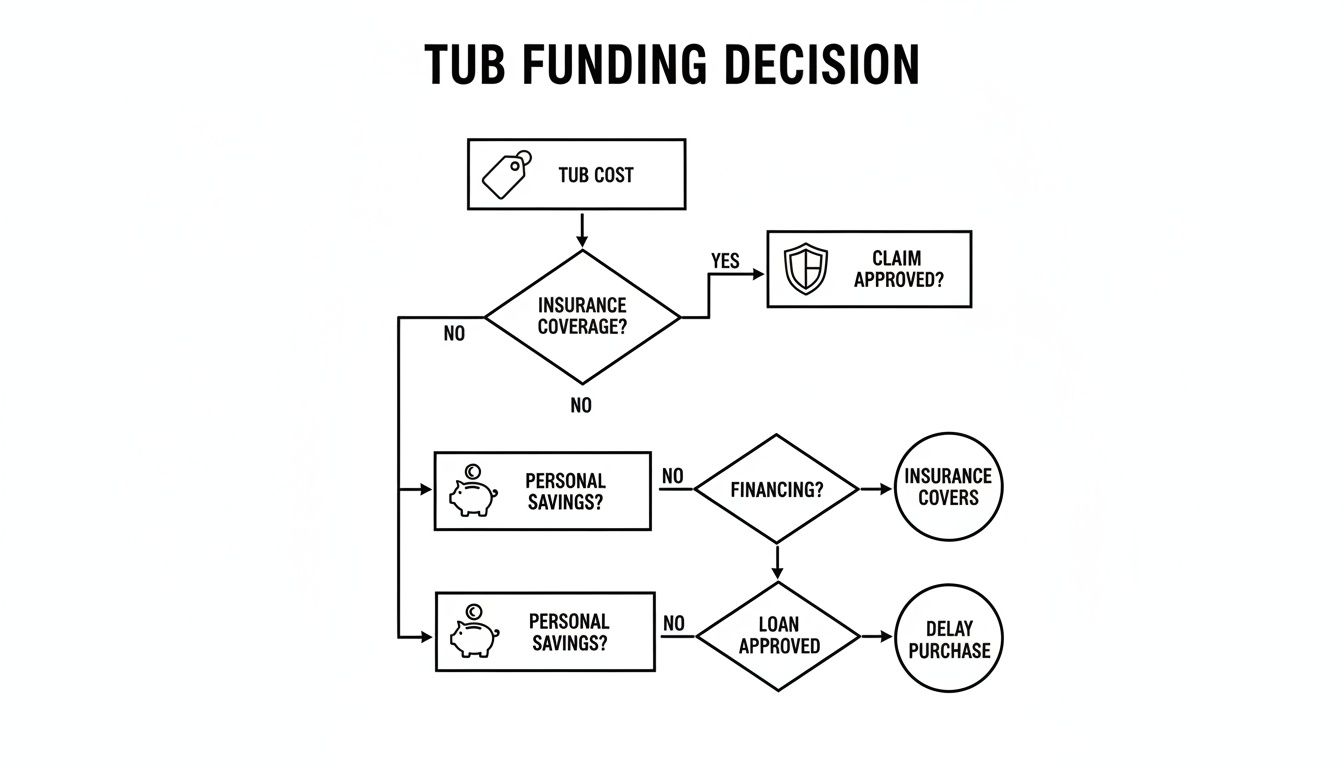
As the chart indicates, it is always beneficial to explore insurance or other benefit programs first. Available coverage may significantly reduce your out-of-pocket expenses.
Your Personal Accessible Bathtub Checklist
Before you begin shopping, take a moment to complete this checklist. Answering these questions will create a personalized roadmap to the exact features and tub type that will best serve your unique needs for mobility and safety.
| Consideration | Your Needs / Answer | Recommended Feature/Tub Type |
|---|---|---|
| Balance & Standing: How long can you stand unsupported? | Built-in Seat, Grab Bars | |
| Leg Strength: Can you lift your leg over a 4-6 inch barrier? | Ultra-Low Threshold, Walk-In Tub | |
| Transfer Method: Do you use a wheelchair or need to slide? | Outward-Swinging Door, Slide-In Tub | |
| Grip Strength: Is it easy to hold onto bars or turn faucet knobs? | Textured Grab Bars, Lever-Style Faucets | |
| Soaking vs. Showering: Is a deep, therapeutic soak important? | Soaker-Style Walk-In Tub | |
| Future Needs: Do you expect your mobility to change? | A tub that exceeds your current needs. |
This checklist is a valuable tool for making a confident, informed decision that will provide long-term satisfaction.
How Do the Alternatives Stack Up?
While a purpose-built accessible tub is often the ideal solution, it is important to understand the alternatives to confirm you are making the best choice for your situation.
The best long-term solution is one that addresses not only your current mobility but also anticipates future needs. Investing in the right equipment from the start provides lasting peace of mind and prevents the need for more costly modifications down the road.
A tub-to-shower conversion is an excellent option for those who exclusively shower and require a completely flat, zero-threshold entry. The primary drawback is the loss of the ability to take a therapeutic bath.
Another common aid is a transfer bench, which is placed over the side of an existing tub. While this is a less expensive solution, these benches can be cumbersome, may feel less stable, and still require maneuvering on a potentially slippery tub floor.
Ultimately, the best choice is the one that provides the greatest safety, comfort, and confidence. By carefully weighing your personal needs against the available features, costs, and alternatives, you can find a solution that genuinely improves your quality of life every day.
Still Have a Few Questions? Let's Clear Them Up.
Even with thorough research, some practical questions often arise. Addressing these common concerns is a final step toward making a confident decision. Let's tackle some of the most frequently asked questions.
One common concern is the time spent waiting for the tub to fill and drain, as the user must be inside during both processes. Filling time is comparable to that of a standard tub, and many modern bathtubs for handicap access are equipped with rapid-fill faucets.
The most significant technological improvement has been in draining. Look for models with quick-drain technology. These systems use a small, powerful pump to empty the tub in as little as 60-90 seconds, preventing the user from getting cold while waiting.
Sizing and Upkeep
Another frequent concern is whether a walk-in tub will fit in the space occupied by a standard bathtub. In most cases, the answer is yes. The majority of accessible tubs are designed to fit into a standard 60-inch by 30-inch alcove, which is the footprint of a traditional tub. This simplifies the replacement process and often eliminates the need for extensive bathroom renovations.
Finally, what is involved in cleaning and maintenance?
- For the Tub Itself: Use a gentle, non-abrasive cleaner with a soft cloth. Avoid harsh chemicals or bleach, which can damage the acrylic finish and door seals.
- For the Jets: If your tub has a hydrotherapy system, it is advisable to run a cleaning cycle monthly. Fill the tub with hot water, add a specialized jet cleaner or a few tablespoons of low-foaming dishwasher detergent, and run the jets for about 15 minutes. Then, drain and rinse.
- For the Door Seal: This is the most critical maintenance task. Regularly wipe the watertight door seal with a damp cloth to remove any soap residue. This keeps the seal soft and pliable, ensuring a perfect, leak-proof closure every time.
With routine care, your accessible tub will remain clean, safe, and ready to provide comfort for years to come.
At DME Superstore, our commitment is to help you find the perfect bathroom safety solutions to protect your independence and well-being. Take a look at our wide selection of accessible bathing equipment and homecare essentials today. Find your ideal solution at https://dmesuperstore.com.

