

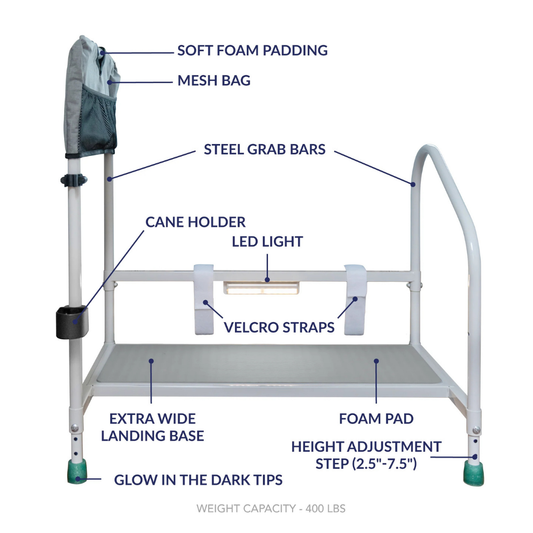
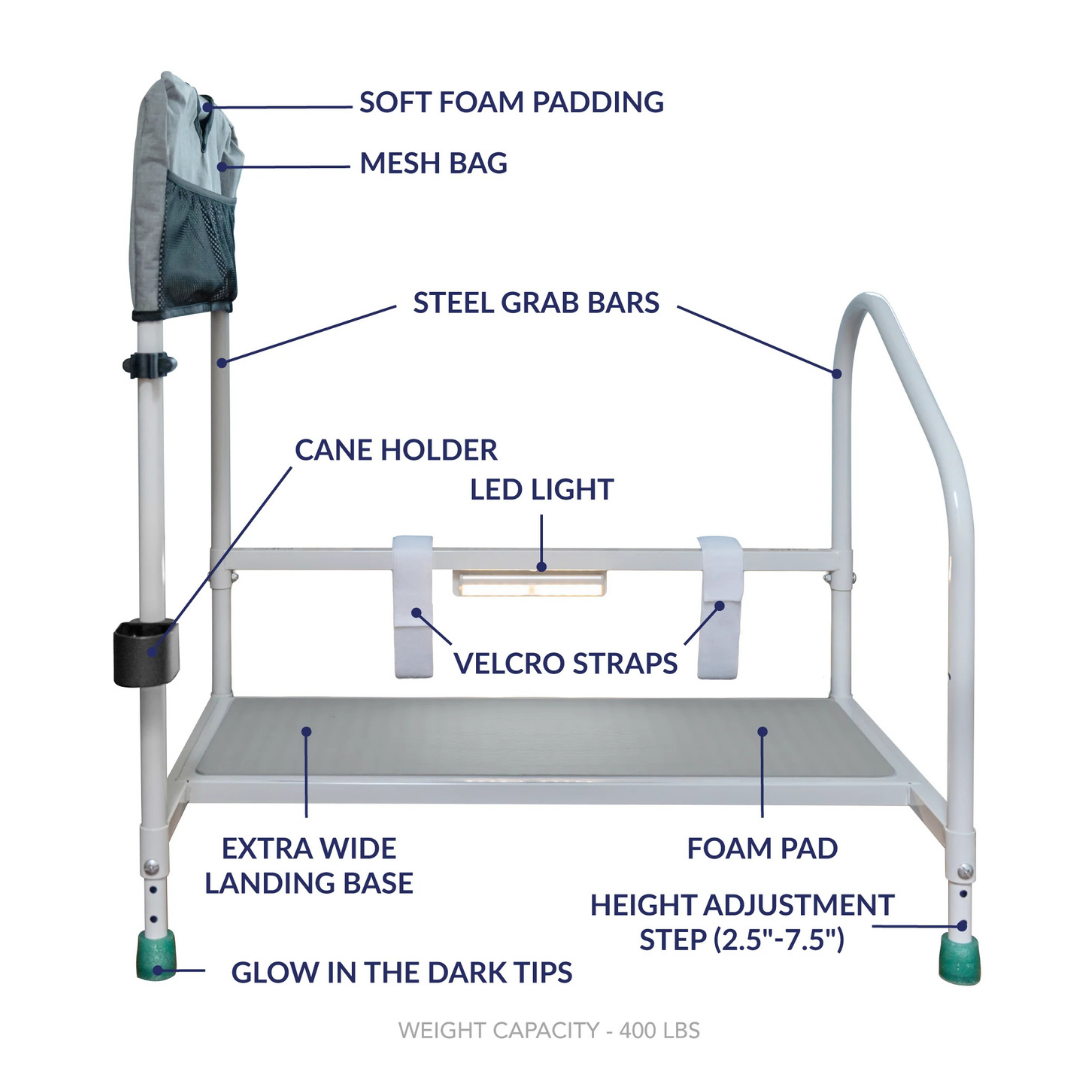
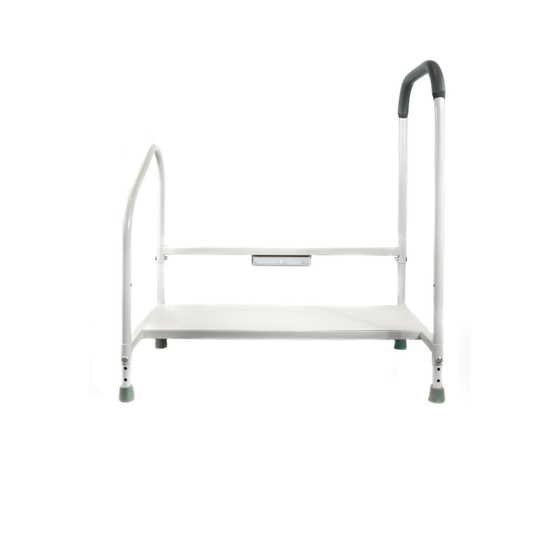
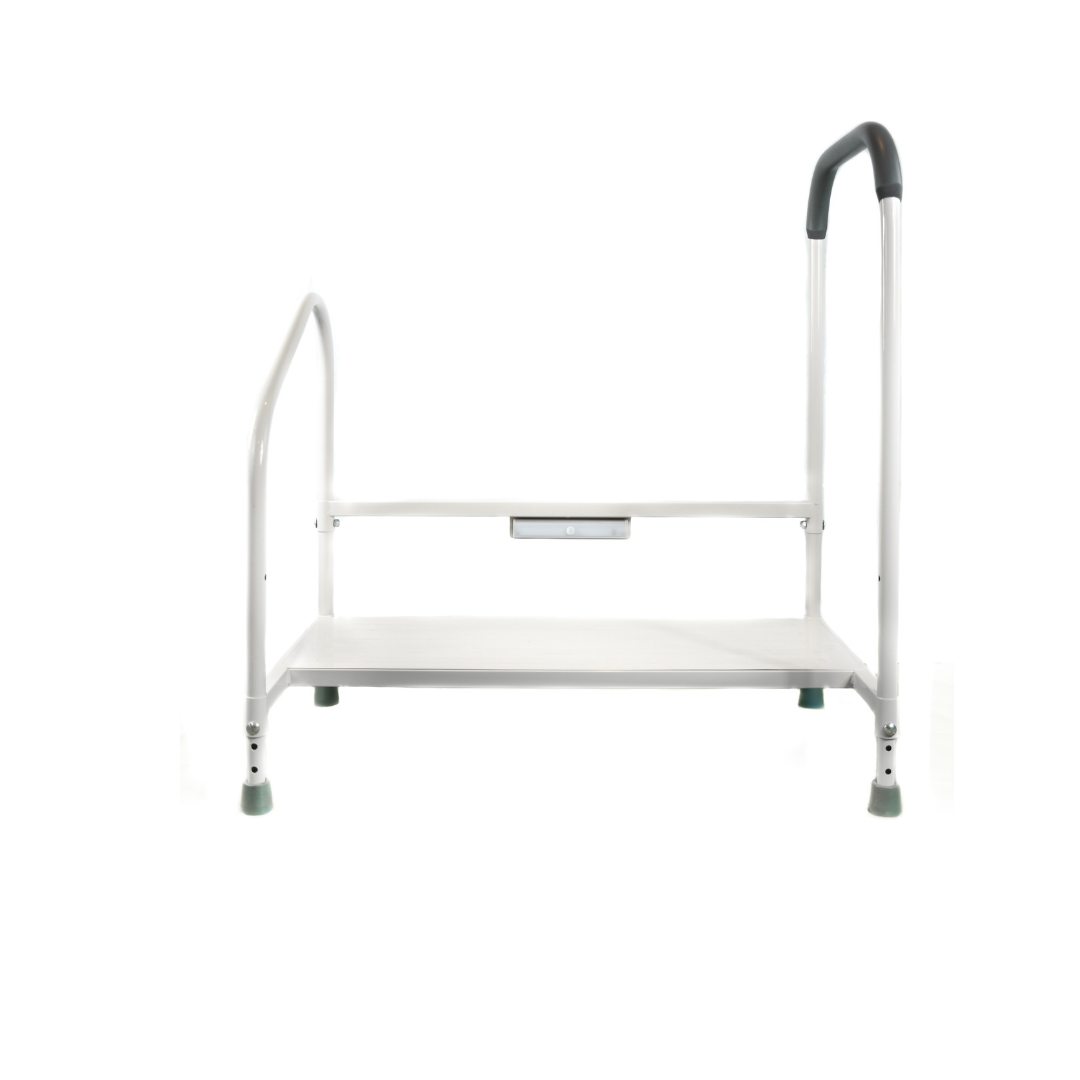


Preventing a fall isn't a single action; it’s a comprehensive plan that combines home safety, personal health, and physical stability. The most effective strategies involve a few key components: modifying the living space to remove hazards, engaging in targeted balance and strength exercises, and regularly reviewing medications and vision with a healthcare provider. Mastering these elements is crucial for maintaining independence and feeling confident on your feet.
Understanding the Urgency of Senior Fall Prevention
A fall often starts with a seemingly minor incident—a stumble over a rug or a brief moment of dizziness. While these events might feel insignificant, for an older adult, they can lead to serious consequences that affect everything from physical health to emotional well-being.
Thinking about how to prevent falls isn't about focusing on fear. It's about empowerment. It’s about taking proactive, manageable steps to learn how to stay safe and in control.
This guide is designed to provide practical, educational solutions that build confidence and security. By focusing on the root causes, we can turn fall prevention into an achievable goal. A solid strategy is built on four pillars:
- Creating a safer home environment by identifying and fixing common hazards.
- Building physical stability through targeted strength and balance exercises.
- Managing health factors like medication side effects and vision changes.
- Using the right support equipment to enhance mobility and confidence.
The Growing Need for Proactive Measures
Falls represent one of the most significant public health challenges for older adults globally. The statistics paint a clear and urgent picture. In 2021 alone, there were an estimated 45.6 million new falls among older adults worldwide—a staggering increase over the last few decades.
In the United States, the numbers are equally sobering. More than 41,000 retirement-age Americans died from falls in 2023, and nearly 3.5 million required emergency room treatment for fall-related injuries. You can dig into the full research on fall injury trends to see the data for yourself.
A fall can be a life-altering event, but it is not an inevitable consequence of aging. With informed strategies and consistent effort, you can significantly reduce risks and protect your independence for years to come.
This reality underscores the importance of shifting from a reactive to a proactive mindset. Instead of waiting for a fall to happen, taking deliberate, educational steps today can make all the difference. For a deeper dive into crucial strategies, you can explore these comprehensive safety tips for fall prevention. By focusing on these actionable steps, you or your loved one can continue to live a full, active, and secure life.
Making Your Home a Fall-Proof Zone, Room by Room
Your home is your sanctuary, a place where you should feel completely safe. However, as mobility changes with age, even familiar spaces can hide unexpected risks. The first step in fall prevention is to learn to see your home with fresh eyes, identifying potential hazards before they cause a problem.
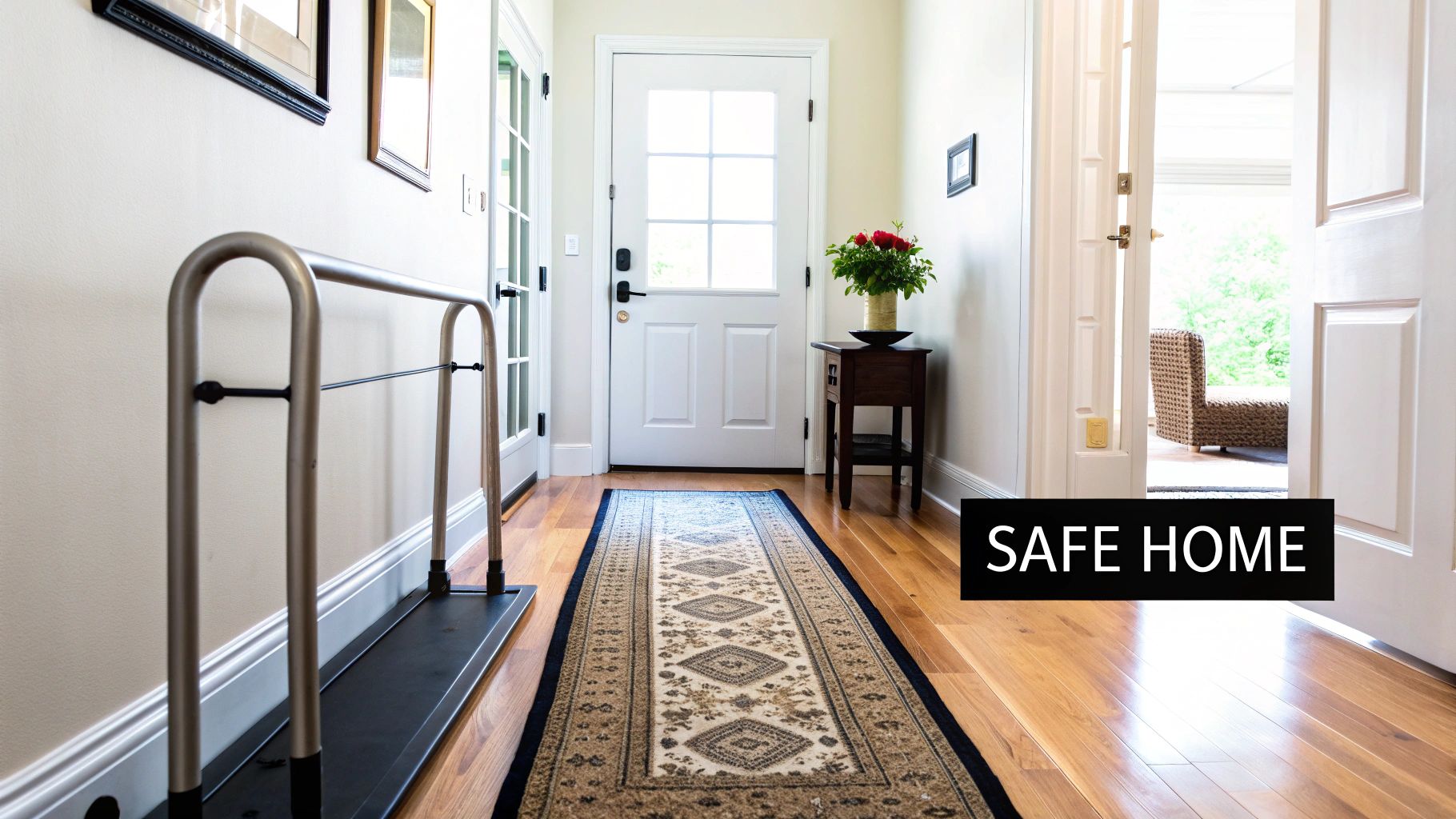
This process isn't about a massive overhaul. It's about methodically moving through your house, room by room, to spot and remove hazards. You'd be surprised how a few small, strategic adjustments can make a monumental difference in building confidence and maintaining independence.
Audit Your Main Living Areas
The living room is a space for relaxation, but it’s often a primary location for trip hazards. The first task is to clear pathways. Ensure there is a wide, unobstructed route from seating areas to every doorway.
Look closely at the floor. Tangled electrical cords from lamps, TVs, and chargers are a classic hazard. Use simple cord organizers or run them tightly along baseboards to keep them out of the way. If you have an area rug, check if its edges are curled or if it slides easily. Secure it firmly with double-sided rug tape or a high-quality non-slip backing.
Beyond decluttering, the floor surface itself is critical. Uneven or warped floorboards can catch a toe and lead to a serious fall. Prioritizing tasks like fixing uneven hardwood floors isn't just a cosmetic repair; it's a major safety upgrade.
Secure the Bedroom for Safer Nights
The bedroom, particularly after dark, is a high-risk area. Many falls occur during late-night trips to the bathroom in a dark room. The first step should be to illuminate the path.
- Add nightlights. Plug in motion-activated nightlights along the path from the bed to the bathroom. They will provide light when you get up and guide you safely.
- Keep a light close. Ensure the lamp on your nightstand is stable and easy to reach without stretching or leaning precariously.
- Position walking aids. If you use a cane or walker, keep it right next to the bed. It should be the first thing you grab for support when you stand up.
The height of your bed is also important. If it's too high or too low, getting in and out becomes a risky maneuver. Ideally, your feet should be flat on the floor when you sit on the edge of the mattress, with your knees bent at a 90-degree angle. For an extra layer of security, a product like a bed assist rail provides a sturdy handle to hold onto as you move from lying down to sitting and then to standing.
Fortify the Bathroom Against Slips
With its slick, hard surfaces and the constant presence of water, the bathroom is arguably the most important room to address for fall prevention. A slip on a wet floor can cause devastating injuries.
Start with the floor. Place high-quality non-slip mats both inside the tub or shower and on the floor outside of it. For anyone who feels unsteady or tires easily while showering, a shower seat or transfer bench is a valuable piece of medical equipment. It allows you to bathe safely and comfortably while seated.
A landmark study revealed that simply removing hazards in the home cut the number of falls by 38% for high-risk older adults. These are often things we overlook, like stairs without railings, poor lighting, or slippery floors.
Installing grab bars is a critical safety measure. Unlike towel racks, these are anchored securely into wall studs to support a person's full body weight. Place them inside the shower, next to the toilet, and anywhere else a steadying hand might be needed. A raised toilet seat can also make a significant difference, reducing the distance you have to lower yourself and making it far easier to stand back up.
Room-by-Room Home Safety Checklist
Walking through your home with a critical eye is the best way to spot hidden dangers. This checklist breaks down common hazards by room and offers practical solutions, including durable medical equipment (DME) that can provide an extra layer of safety.
| Area of Home | Potential Hazard | Recommended Safety Solution | Helpful DME Product |
|---|---|---|---|
| Living Room | Cluttered pathways, loose rugs, poor lighting | Create clear walkways, secure rugs with tape | N/A |
| Cords across walking areas | Use cord covers or secure along baseboards | N/A | |
| Bedroom | Dark path to the bathroom at night | Install motion-activated nightlights | N/A |
| Difficulty getting in/out of bed | Adjust bed height, keep aids nearby | Bed Assist Rail | |
| Bathroom | Slippery tub or shower floor | Use non-slip mats or adhesive strips | Shower Seat or Transfer Bench |
| Lack of support getting up/down | Install professionally anchored grab bars | Grab Bars, Raised Toilet Seat | |
| Kitchen | Reaching for high items, bending low | Move frequently used items to accessible shelves | Reacher/Grabber Tool |
| Spills on the floor | Clean spills immediately, use anti-fatigue mat | N/A | |
| Stairs | Poor lighting, slippery surfaces | Ensure bright lighting, add non-slip treads | Stairlift (for significant mobility issues) |
| Missing or loose handrails | Install sturdy handrails on both sides | N/A |
This checklist is a starting point. Every home is unique, so use it to spark your own safety audit and create a space that truly supports safe, independent living.
Reorganize the Kitchen for Accessibility
In the kitchen, falls often occur when reaching, bending, or carrying items. A simple solution is to reorganize. Move frequently used items—plates, glasses, mugs, common spices—to shelves between your waist and shoulder height.
This change reduces the need to use a step stool or bend down low, both of which can throw you off balance. Always keep the kitchen floor clean and dry, wiping up spills immediately. A good anti-fatigue mat near the sink can also offer cushioning and a more secure, non-slip surface. These are all core principles of creating a home that helps you thrive, a concept we dive into in our guides on aging in place.
By taking a thoughtful, room-by-room approach, you can transform your home from a collection of potential hazards into a supportive environment that promotes safety and lasting independence.
Building Foundational Strength and Balance
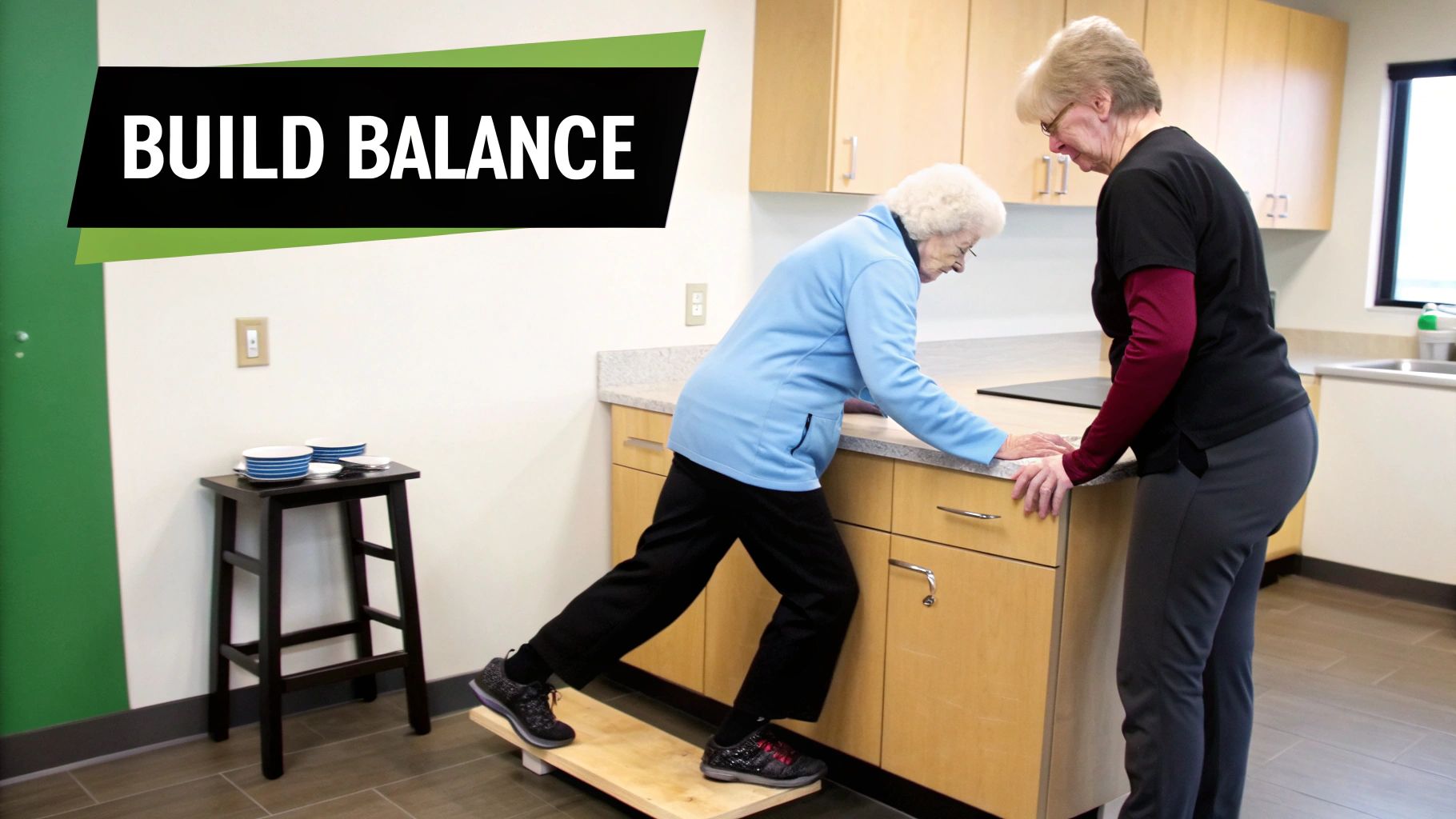
Once the home environment is safer, the next step is to strengthen the body’s own defense system against falls. Regular physical activity is one of the most powerful tools for maintaining stability. This isn’t about starting a strenuous gym routine; it's about incorporating gentle, targeted movements into your daily life.
The goal is to make movement feel approachable and empowering. Weakness in the leg and core muscles is a major contributor to instability, but research consistently shows that the right exercise programs can dramatically improve both strength and balance, directly lowering fall risk. Even small, consistent efforts can lead to major gains in mobility.
Why Strength and Balance Go Hand in Hand
Strength and balance are partners in safe movement. Strong leg muscles—quads, hamstrings, and glutes—power everyday actions like getting up from a chair or climbing stairs. When these muscles are weak, the body works harder, leading to fatigue and unsteadiness.
Balance is the body's ability to control its position. This relies on a complex network involving the inner ear, eyes, and sensory feedback from feet and joints. Specific exercises can train this system to react faster, helping you catch yourself before a stumble becomes a fall.
A personalized exercise routine is one of the most proactive investments you can make in your long-term safety. Physical therapists are certified experts who can identify specific weaknesses and create a plan to help you build the strength and confidence needed to stay steady on your feet.
By working on both strength and balance, you build a solid foundation for safer movement.
Key Exercises You Can Do at Home
You don’t need a gym to build stability. Many effective exercises can be done at home with a sturdy chair for support. Always check with your doctor or a physical therapist before starting a new routine, and listen to your body.
Here are a few simple but powerful exercises to get started:
1. The Chair Squat This exercise strengthens the muscles needed to stand up from a chair.
- Stand in front of a sturdy, armless chair with your feet shoulder-width apart.
- Slowly bend your knees and push your hips back, as if sitting down. Keep your chest up and your back straight.
- Just before touching the seat, push through your heels and squeeze your glutes to return to a standing position.
- Aim for 8 to 12 repetitions. Use the chair for light balance support if needed.
2. The Single-Leg Stand This is a classic and effective balance training exercise.
- Stand behind a sturdy chair or countertop, holding on for support.
- Lift one foot off the floor, balancing on the other leg.
- Hold the position for 10 to 15 seconds.
- Switch and repeat with the other leg. As you gain confidence, try holding on with just one hand, then one finger, and eventually, not at all.
3. Heel-to-Toe Walk This movement challenges coordination and balance in a controlled way.
- Find a clear path, such as alongside a kitchen counter or a wall for support.
- Take a step forward, placing the heel of one foot directly in front of the toes of the other, as if walking on a tightrope.
- Continue in a straight line for 10 to 15 steps.
- This exercise forces your body to make constant, tiny adjustments to stay centered, which sharpens balance reflexes.
When practiced regularly, these movements retrain muscles and fine-tune the body's stabilization system. For fall prevention, consistency is more important than intensity. Making these exercises part of your weekly routine is a direct investment in a more stable and independent future.
Managing Your Health to Reduce Fall Risk
While a fall-proof home is essential, some of the biggest risks are internal. Preventing falls requires an understanding of how our bodies change over time. Health factors, medications, and sensory functions play a massive role in maintaining stability.
Gradual changes often go unnoticed. For instance, age-related vision decline can make it difficult to judge the height of a curb, while hearing loss can disrupt the inner ear's balance function. These shifts may not be apparent until a close call occurs.
Start with Sensory Check-Ups
Regular vision and hearing exams are non-negotiable safety audits. Worsening eyesight is common with age. The Centers for Disease Control and Prevention (CDC) reports that over 12 million Americans aged 40 and older live with some form of vision impairment.
An updated eyeglass prescription can make a world of difference by sharpening your view of obstacles and improving depth perception, which is critical for navigating stairs. Similarly, addressing hearing issues helps fine-tune the signals your brain uses to maintain balance.
Gradual changes in vision or hearing are easy to dismiss, but these senses are fundamental to your body's balance system. Annual check-ups are not just routine appointments; they are essential inspections for your mobility.
Take a Hard Look at Your Medications
Medications used to manage chronic conditions can sometimes introduce new risks. Certain prescription drugs—or combinations of them—are known to cause side effects like dizziness, drowsiness, and lightheadedness, all of which can lead to a fall.
One study revealed that 72% of people aged 55 or older take at least one prescription drug. This means adverse reactions are a major concern, and the risk increases when multiple medications are involved.
Be aware of these common drug classes known to increase fall risk:
- Benzodiazepines: Used for anxiety or sleep (e.g., Ativan, Xanax).
- Antidepressants: Prescribed for depression and anxiety (e.g., Zoloft, Prozac).
- Anticholinergics: A broad class including some over-the-counter allergy medicines and sleep aids.
Schedule an annual "brown bag review" with your doctor or pharmacist. Gather all your medications—prescriptions, over-the-counter pills, vitamins, and supplements—and bring them in. This gives your provider a complete picture, allowing them to identify risky interactions and adjust your regimen. Never stop or change a medication without consulting your healthcare provider.
Manage Your Body from the Ground Up
Certain chronic health conditions can directly impact your stability. Arthritis can cause joint pain and stiffness that alters your gait, while diabetic neuropathy can numb your feet, making it hard to feel the floor.
Managing these conditions is a powerful form of fall prevention. This means following your treatment plan, staying active, and paying close attention to your feet. Additionally, exhaustion is a significant contributor. You can learn more about how poor sleep increases fall risk and limits mobility in our other guide.
Finally, do not underestimate the importance of proper footwear.
- Look for sturdy, non-slip soles that provide a solid grip.
- Opt for a low, wide heel to maximize stability.
- Ensure a proper fit. Shoes that are too loose or too tight are both hazards.
- Avoid walking around in socks or flimsy slippers, which offer no support and little traction.
By proactively managing your health—from your senses to your prescriptions and feet—you build a powerful internal defense against falls, creating a strong foundation for moving through life with confidence.
Choosing the Right Mobility Aids for Daily Confidence
Using durable medical equipment isn't about accepting limitations—it's about reclaiming freedom, safety, and confidence. The right mobility aid is a tool that supports an active, independent life by providing stability where you need it. However, this is not a one-size-fits-all solution; choosing the wrong device can sometimes create more problems.
The key is to match the equipment to the individual's specific needs, physical strength, and home layout. When a device feels intuitive and supportive, it becomes a natural part of a person's day and a cornerstone of fall prevention.
Deciding Between Canes, Walkers, and Rollators
Choosing the right mobility aid depends on the level of support needed. Each device serves a specific purpose, and understanding the differences is the first step toward finding the right match.
-
A cane is a good starting point for someone who needs minor stability or help with slight balance issues. It can take some load off a painful joint but is not designed to bear a large portion of body weight. Canes are lightweight and portable.
-
A walker provides a much higher degree of support. It requires some upper body strength to lift with each step but offers a wide, stable base ideal for individuals at a higher risk of falling or recovering from surgery.
-
A rollator combines the support of a walker with the convenience of wheels and hand brakes. Rollators are excellent for people who have enough balance to manage a wheeled device but need more support than a cane. Many models also include a built-in seat for resting.
To help you learn about the options, we've put together a quick comparison.
Comparing Mobility Aids for Fall Prevention
Understanding the key differences between these aids can make the decision clearer. This table breaks down the intended use, features, and considerations for each device.
| Mobility Aid | Best For | Key Features | Considerations |
|---|---|---|---|
| Cane | Minor balance issues or taking a little weight off one leg. | Lightweight, portable, good for tight spaces. | Provides minimal support; not for significant weight-bearing. |
| Walker | Significant balance issues, post-surgery recovery, high fall risk. | Wide, stable base; offers maximum support. | Must be lifted with each step; requires upper body strength. |
| Rollator | People who need more support than a cane but can manage a wheeled device. | Wheels for smooth movement, hand brakes, often includes a seat. | Requires more coordination than a standard walker. |
| Wheelchair | Individuals unable to walk or who need to conserve energy over distances. | Seating for non-ambulatory users, manual or powered options. | Requires a companion to push (manual) or is heavier (powered). |
Ultimately, the best choice is the one that fits seamlessly into your daily life, making you feel more secure.
Navigating Bathroom Safety Equipment
The bathroom is one of the most hazardous rooms in the house due to slippery surfaces and the need to sit, stand, and step over high tub walls.
Shower chairs and transfer benches are essential medical equipment for anyone who feels unsteady. A shower chair provides a secure place to sit while bathing, removing the risk of a slip-and-fall. A transfer bench straddles the side of the tub, allowing you to sit safely outside the shower and slide across into the water without lifting your leg over the high ledge.
Grab bars aren't a luxury; they are a non-negotiable part of bathroom safety. Unlike a towel rack or soap dish that can rip right out of the wall, professionally installed grab bars are anchored to support your full body weight. They give you a reliable handhold that can stop a simple slip from becoming a serious injury.
Placing grab bars in strategic spots—inside the shower and next to the toilet—provides crucial stability. When paired with a raised toilet seat, which reduces the effort needed to sit and stand, you can completely transform bathroom safety.
Making the Right Choice for Your Needs
Selecting the most effective mobility aid requires a thoughtful evaluation of an individual's daily routines and physical abilities. Asking key questions can help guide your decision.
To help you learn about this process, here’s a simple decision tree showing how different medical factors can influence your needs.
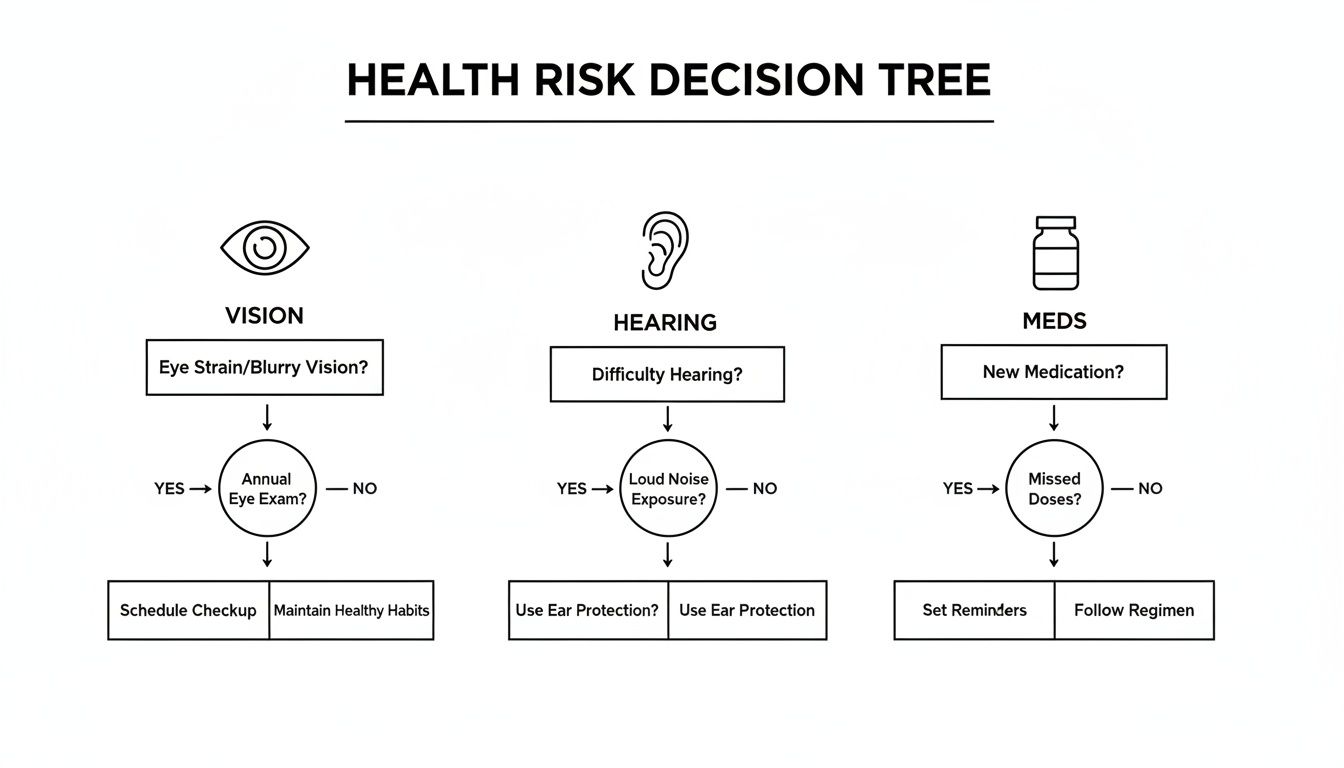
This visual illustrates how factors like vision changes or medication side effects are interconnected with fall risk and the potential need for supportive equipment.
An honest assessment will always lead to a better choice. The goal is to find equipment that integrates into daily life, making things safer, not more complicated. For more information, our guide on choosing the right mobility aids offers in-depth comparisons and tips.
The best mobility aid is comfortable, easy to operate, and builds confidence. Consult with a physical or occupational therapist for a professional assessment and personalized recommendations to ensure you find the perfect fit.
Common Questions About Senior Fall Prevention
Even with a solid fall prevention plan, questions often arise. Clear, practical answers can help turn good intentions into effective safety improvements. Here are some of the most common concerns.
My Parent Is Resistant to Using a Walker. How Can I Encourage Them?
Resistance to using a walker often stems from a fear of losing independence, not from the device itself. The key is to reframe the conversation.
Instead of presenting the walker as a sign of weakness, introduce it as a tool for empowerment—a way to continue doing the things they love. Explain how a modern walker or rollator can help them maintain an active lifestyle with greater confidence.
Focus on specific benefits, such as the ability to walk to the mailbox, go to the grocery store, or visit friends without feeling unsteady. Involving them in the selection process can also help. Today's rollators are lightweight and stylish, with features like built-in seats and storage baskets. A consultation with a physical therapist can also be valuable; they are experts at demonstrating how to use a device in a way that feels empowering.
How Often Should a Home Be Assessed for Fall Risks?
A full home safety assessment should be conducted at least annually. However, it's not a one-time task. It's crucial to reassess the home after any significant health change.
This includes a new medical diagnosis, a recent surgery, or starting a new medication that could affect balance. It's also wise to perform a quick scan with the changing seasons, as new hazards like wet boots in winter can arise.
What Are the Best Exercises for Improving Balance?
The most effective balance exercises are those that safely challenge your stability. The goal is to train your body to react more quickly when you feel unsteady.
Some of the best and simplest options include:
- Single-Leg Stands: Stand behind a sturdy counter or chair, holding on for support. Lift one foot and try to hold the position for up to 30 seconds.
- Heel-to-Toe Walking: Walk in a straight line, placing the heel of one foot directly in front of the toes of the other, as if on a tightrope.
- Tai Chi: This gentle, slow-moving practice is a proven method for fall prevention. It focuses on controlled weight shifting and body awareness, which improves balance.
Remember, consistency is more important than intensity. Even 10-15 minutes of balance exercises a few times a week can produce significant improvements. Always consult a doctor or physical therapist before starting a new routine.
Can Poor Lighting Really Increase the Risk of Falling?
Absolutely. Poor lighting is one of the most common and easily fixed hazards in a home. As we age, our eyes need more light to see clearly, making it harder to spot trip hazards like rug edges or clutter in low-light conditions.
Shadows can create optical illusions, hiding potential dangers.
A well-lit path is a safe path. Simply making sure hallways, staircases, and main living areas are brightly lit is a high-impact change that dramatically improves safety for everyone.
Use plug-in nightlights in bedrooms, hallways, and bathrooms to create a safe path at night. Swapping dim bulbs for brighter, energy-efficient ones is a small investment that pays huge dividends in fall prevention.
At DME Superstore, we're committed to providing the durable medical equipment that helps you or your loved ones live more safely and independently at home. From rollators that build confidence to shower chairs that ensure bathroom safety, we have the tools you need to create a secure environment. Explore our curated selection of top-quality products to find the perfect fit for your fall prevention plan. Visit us at https://dmesuperstore.com to learn more.
Article created using Outrank

