

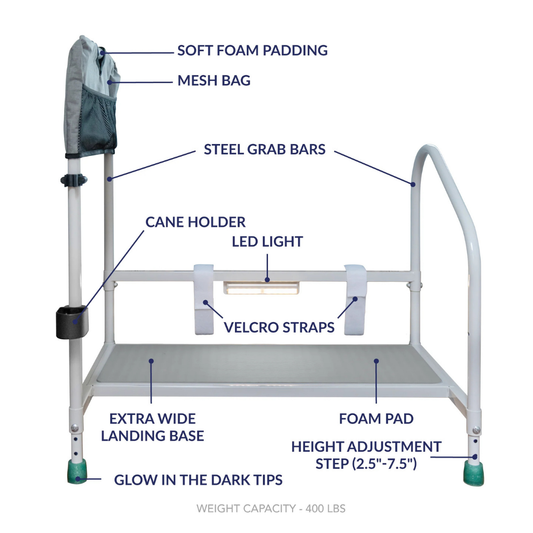
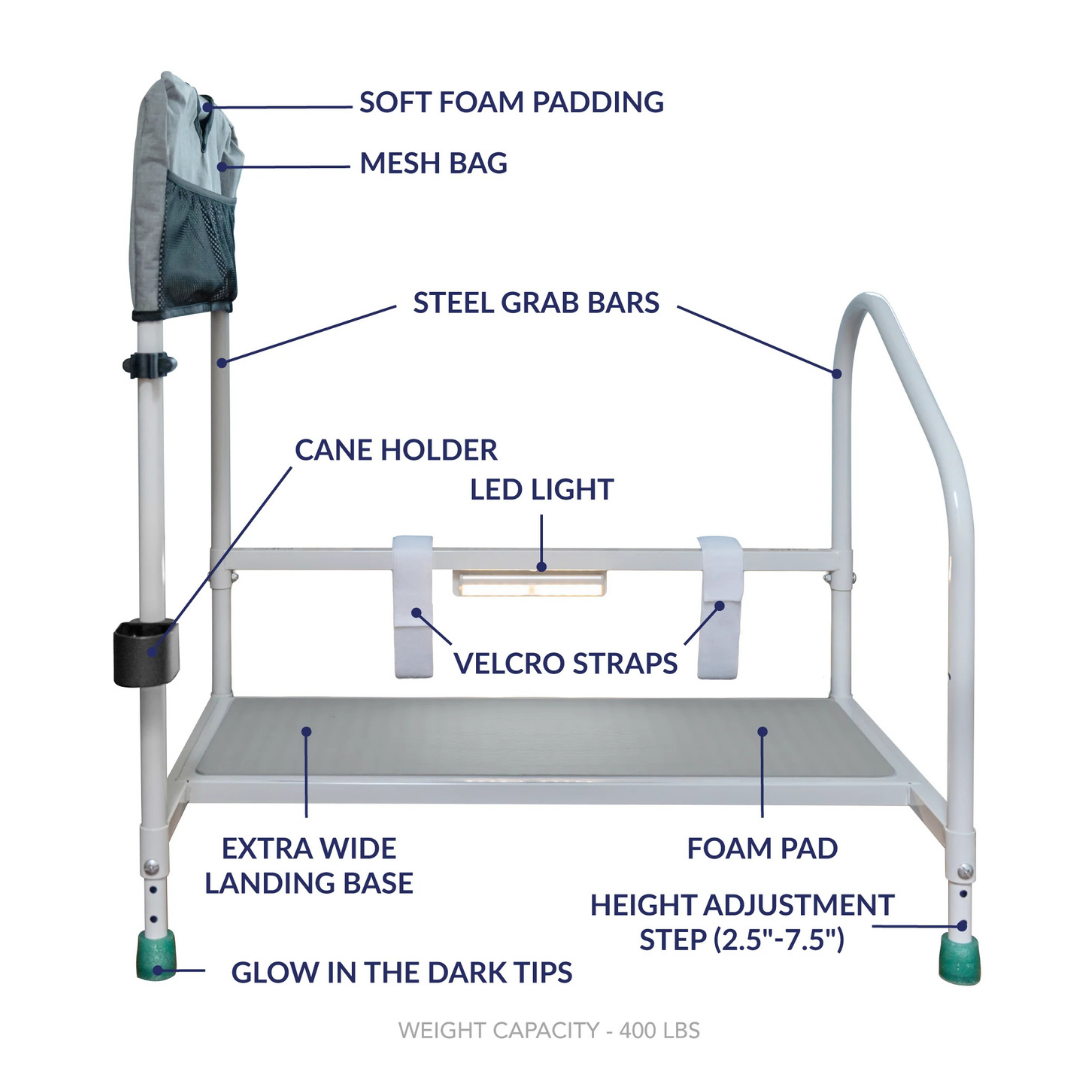
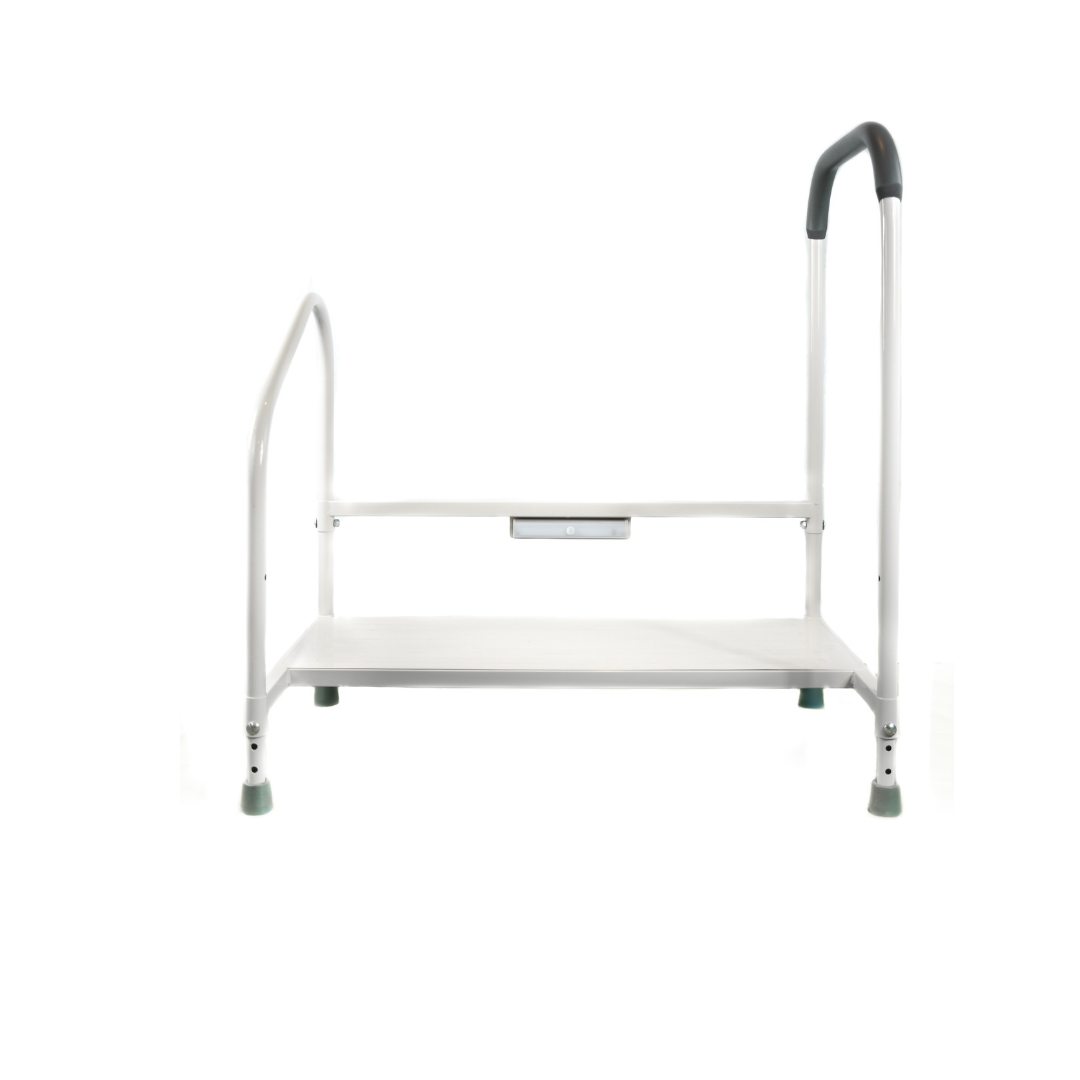
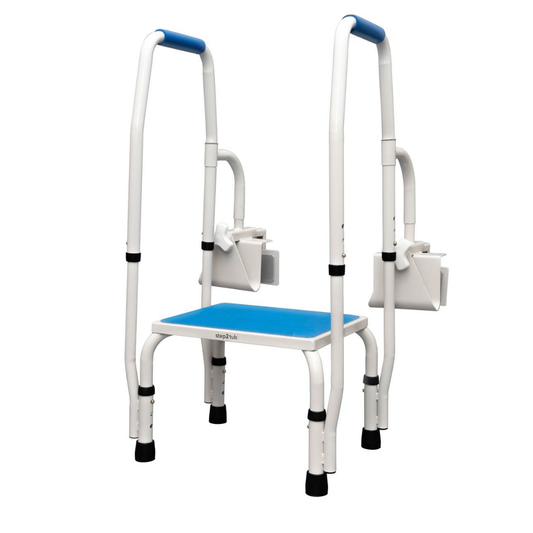
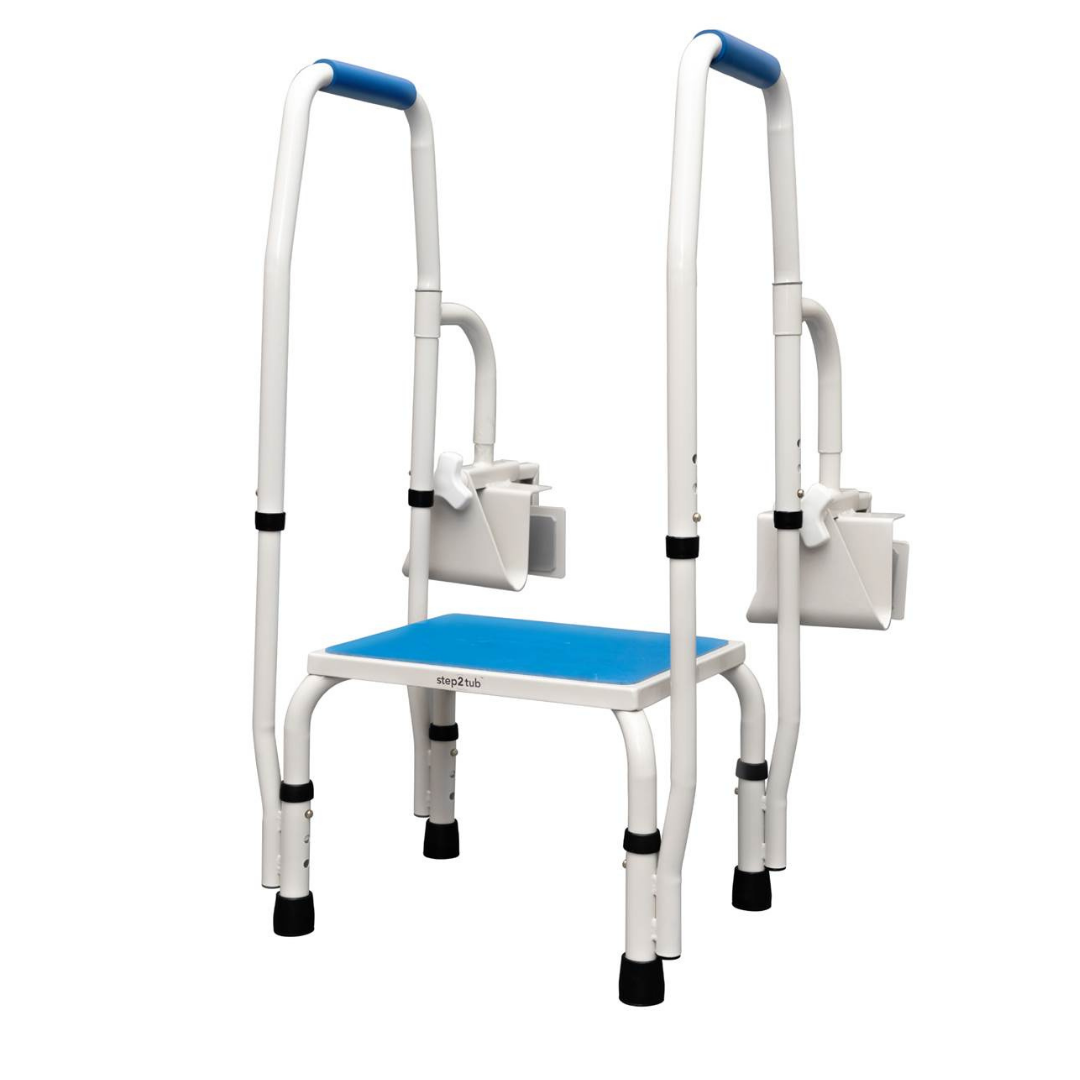
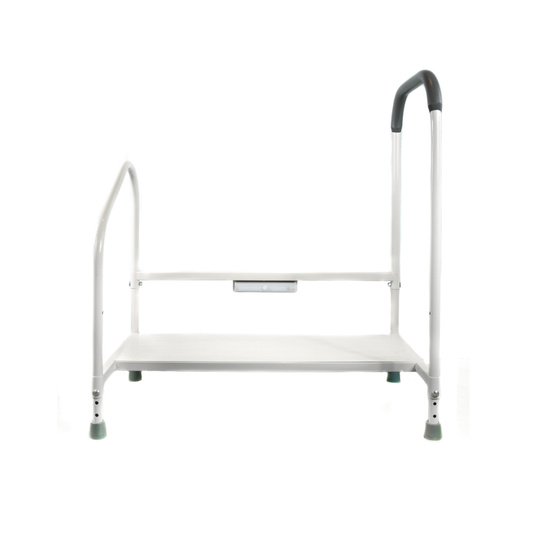
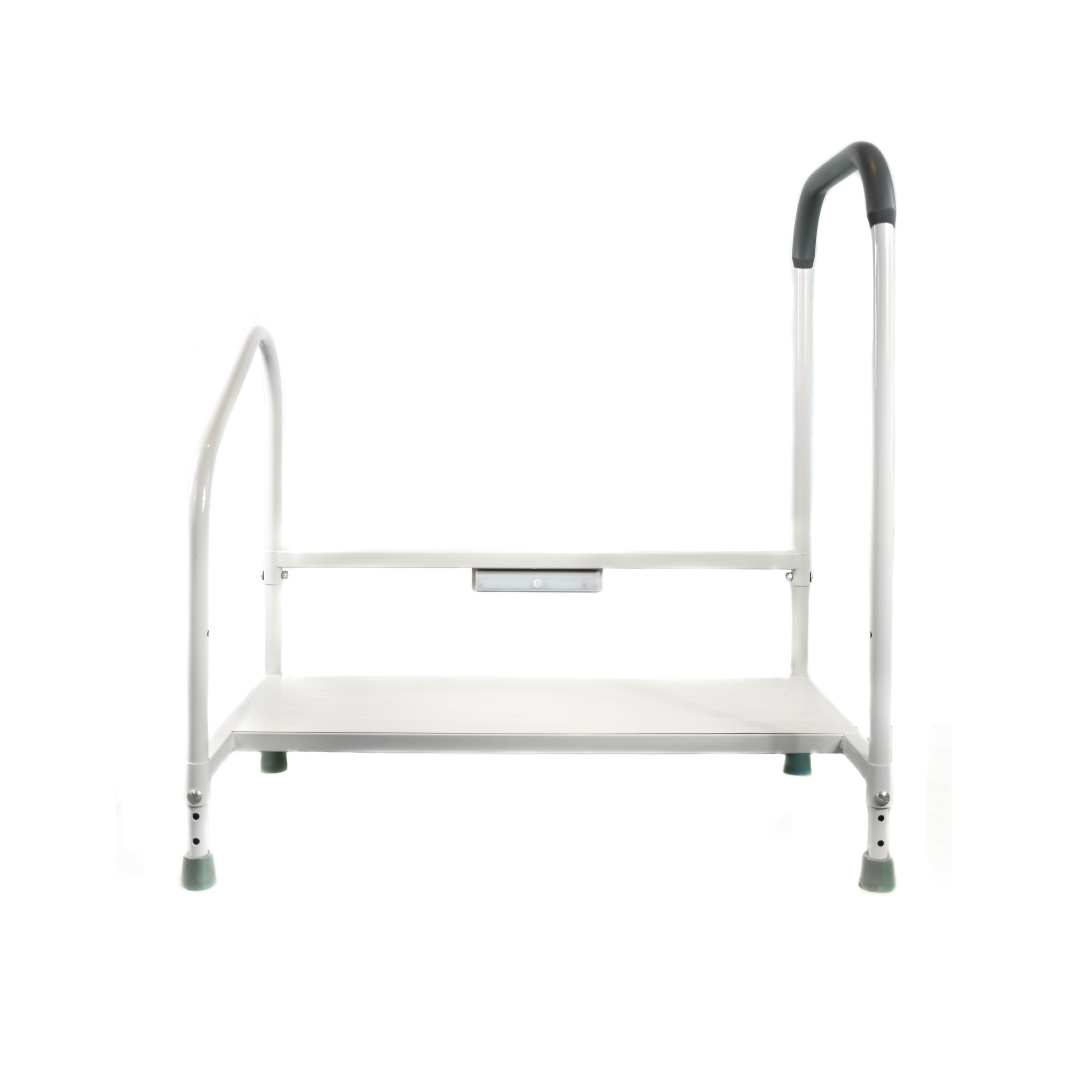


A toilet safety frame is one of the simplest, most effective tools for anyone who feels unsteady when sitting down on or standing up from the toilet. This guide will provide an in-depth understanding of how this piece of durable medical equipment (DME) works, who it benefits, and how to choose the right one to promote independence and restore confidence in the bathroom.
Why a Toilet Safety Frame Is a Game Changer for Bathroom Safety

For many older adults or individuals with mobility, strength, or balance issues, the bathroom can shift from a private space to a source of daily anxiety. The simple act of using the toilet can become a serious fall risk. This is where a toilet safety frame steps in, becoming far more than just an accessory—it’s a critical tool for maintaining independence and preventing injury.
Its primary function is to prevent falls, a core part of any effective set of strategies to mitigate fall risks for seniors. By providing sturdy armrests exactly where needed, these frames offer the leverage to lower oneself down safely and push back up to a standing position with far less effort and strain.
The Growing Need for Bathroom Safety
The demand for tools like a toilet safety frame is surging, driven by an aging population and a greater focus on home safety. The global market for bathroom and toilet assist devices is expected to climb from $4.88 billion to $6.48 billion by 2030, according to one report on bathroom assist devices.
This trend is directly related to the high incidence of bathroom-related accidents. Bathroom falls are responsible for over 235,000 injuries in the U.S. every single year. A safety frame directly addresses the physical mechanics that make using a toilet so difficult for many, reducing the strain on the back, hips, and knees by offering a stable anchor point for movement.
A toilet safety frame can be understood as an assistive device that facilitates one of the most challenging transfers in a home environment. It guides the user safely from standing to sitting and back again, turning a moment of high risk into a confident, controlled movement.
Core Benefits for Daily Independence
The clinical and practical impact of adding this device to a bathroom is often immediate, bringing peace of mind to both the user and their family.
This table shows a quick overview of who benefits most from adding a toilet safety frame to their home.
| User Group | Primary Benefit | Key Challenge Addressed |
|---|---|---|
| Seniors Aging in Place | Fall Prevention | Reduced lower body strength and balance issues. |
| Post-Surgery Patients | Independence | Limited mobility and weight-bearing restrictions after hip/knee surgery. |
| Individuals with Arthritis | Pain Reduction | Joint pain and stiffness that make bending and lifting difficult. |
| People with Neurological Conditions | Stability | Unsteady gait or muscle weakness from conditions like MS or Parkinson's. |
From promoting self-reliance to simply making daily routines more comfortable, the advantages are clear and significant.
Key advantages include:
- Enhanced Stability: The dual armrests provide balanced, bilateral support, dramatically reducing the risk of tipping or losing balance during transfers.
- Increased Independence: It empowers individuals to manage their own personal care without requiring constant assistance, which is crucial for preserving dignity and mental well-being.
- Reduced Physical Strain: By providing leverage, the frame lessens the biomechanical load on the user's joints and muscles, making the entire process less painful and more comfortable.
- Improved Confidence: Simply knowing that solid support is available helps ease the fear of falling—a significant psychological barrier that can otherwise lead to reduced activity and social isolation.
By turning a high-risk activity into a secure and predictable routine, a toilet safety frame becomes an essential component of aging in place safely. For a deeper look at creating a safer home environment, check out our guide on how to prevent elderly falls. It’s a small addition that makes a world of difference.
Exploring the Different Types of Toilet Safety Frames

Just as no two individuals have the same needs, no two bathrooms are identical. That's why the toilet safety frame isn't a one-size-fits-all solution. Instead, it comes in several distinct designs, each engineered to solve specific challenges related to user mobility and home layout.
Understanding which type is right for you is the first step toward finding a solution that provides rock-solid support without becoming an obstacle. This choice involves considering factors like installation, portability, and the user's specific physical requirements. Let's break down the three main categories so you can choose with confidence.
Standalone Toilet Safety Frames
A standalone toilet safety frame is the most versatile and common option. It functions as a specialized walker designed to fit perfectly around a standard toilet. With four legs resting on the floor and cross-braces for stability, it is a completely self-contained support system that requires no modification to the bathroom.
This design has significant advantages:
- Portability: Because it isn’t bolted down, it can be easily moved for cleaning or even taken to another bathroom or on trips.
- Simple Setup: Most models are designed for tool-free assembly, allowing them to be ready for use within minutes.
- Rental-Friendly: It’s the perfect choice for renters or anyone who does not wish to drill holes or make permanent changes to their bathroom.
The only trade-off is that its freestanding nature means it requires clear floor space around the toilet. In a very tight bathroom, it might feel a little bulky.
Toilet-Mounted Safety Frames
For bathrooms where space is limited, a toilet-mounted safety frame is an excellent, compact solution. This style attaches directly to the toilet itself, using the same bolts that hold the toilet seat in place. The arms extend forward from the back of the toilet, putting support right where it's needed most.
Because it is anchored to the toilet, this type of frame feels incredibly sturdy and takes up zero additional floor space.
The primary advantage of a toilet-mounted frame is its stability in a small footprint. It effectively becomes part of the toilet, eliminating any risk of the frame shifting on the floor—a crucial benefit for anyone who might push unevenly on the armrests.
This design is a valuable solution for smaller bathrooms or powder rooms where every inch of floor space counts. The main consideration is installation; while it's usually straightforward, it does require removing and re-securing the toilet seat. You'll also want to double-check that the frame's design is compatible with your toilet's shape and bolt setup. As you dive deeper, our comprehensive guide to bathroom safety equipment for elderly users can help you build a complete safety plan for the whole room.
Wall-Mounted Grab Bars
While not technically a “frame,” wall-mounted grab bars are often considered in the same category because they serve the same fundamental purpose: providing a stable handhold for toilet transfers. These bars are permanently installed directly into the wall studs on one or both sides of the toilet.
They are, without a doubt, the most robust option available and become a permanent fixture in the bathroom. This makes them a great choice for long-term needs, but they absolutely require professional installation to ensure they can safely bear a person's full weight. Unlike frames, they have zero portability and are a permanent home modification.
The table below gives you a quick side-by-side comparison of these three options.
| Feature | Standalone Frame | Toilet-Mounted Frame | Wall-Mounted Grab Bars |
|---|---|---|---|
| Installation | Tool-free assembly | Bolts to toilet bowl | Requires drilling into wall studs |
| Portability | High | Low | None (Permanent) |
| Footprint | Large | Small | Minimal |
| Best For | Renters, travel, flexibility | Small bathrooms, stability | Permanent, heavy-duty support |
Key Features to Compare When Selecting Your Frame
Once you’ve narrowed down the type of frame that works for your bathroom—standalone, toilet-mounted, or wall-mounted—it’s time to zoom in on the details. The right features are what elevate a simple piece of equipment into a reliable safety partner that feels like it was custom-fitted for the user.
Much like choosing any medical device, features like adjustability, armrest style, and material are critical. They directly impact how safe, comfortable, and effective the frame will be for daily use.
Customizing the Fit with Adjustability
A toilet safety frame that doesn't fit properly isn't just uncomfortable; it can be dangerous. A frame that's too high, too low, too wide, or too narrow can introduce new stability problems. This is why adjustability is arguably the most important feature to look for.
- Height Adjustment: This allows the armrests to be set at the ideal height for providing leverage. The goal is a position where the user's elbows are slightly bent when their hands are on the grips. This posture provides maximum strength for pushing up and better control when sitting down.
- Width Adjustment: People come in all shapes and sizes, and so should their safety frames. Adjusting the width ensures a comfortable, natural arm position, preventing the user from having to reach too far out to the sides, which can cause shoulder strain and instability.
Look for frames with simple push-pin or locking-knob mechanisms. These make it easy to dial in the perfect fit without requiring tools. A well-adjusted frame works with the body's natural movements, making every transfer smoother and safer.
Armrest Design and Comfort
The armrests are the primary points of contact and are crucial for both function and comfort. Attempting to push one's body weight onto hard, slippery plastic can be painful and unsafe.
Here are the different armrest styles to consider:
- Padded Armrests: Most quality frames feature soft foam or rubber padding. This cushioning is essential, as it distributes pressure across the palms and provides significant relief for anyone with arthritis or sensitive hands.
- Contoured or Textured Grips: Some armrests are ergonomically shaped to fit the natural curve of the hand, offering a more secure hold. Textured surfaces also prevent hands from slipping, even when damp.
- Drop-Arm or Swing-Away Arms: This is a non-negotiable feature for individuals transferring from a wheelchair. One or both arms can be lowered or swung out of the way, creating a clear, unobstructed path for a safe lateral slide onto the toilet seat.
Think of the armrests like the handles on a walker. If they’re wobbly, hard, or poorly positioned, you’ll never fully trust them. Secure, comfortable armrests build confidence with every single use.
Material and Weight Capacity
The material a frame is made from determines its sturdiness, durability, and weight. The two most common materials you will find are aluminum and steel.
Aluminum is lightweight and naturally corrosion-resistant, making it an excellent choice for standalone or portable frames that may be moved frequently. It's easy to set up but often has a lower weight capacity.
Anodized aluminum is a superior feature to look for, as it has an extra protective layer that stands up to scratches and rust in the humid bathroom environment.
Steel, on the other hand, is the workhorse material. It is much heavier and stronger, offering maximum stability. Powder-coated steel frames are the standard for heavy-duty and bariatric models because they can safely support much higher weights. It's common to see bariatric models rated for 500 pounds or more, while lighter aluminum frames are ideal for settings like assisted living. Market data shows that in the US Northeast, which holds a 32.21% revenue share, there's a growing demand for adaptable frames to retrofit older urban homes. You can learn more about toilet safety frame market trends and other interesting industry insights.
Finally, always check the manufacturer's listed maximum weight capacity. This is not a suggestion—it's a critical safety limit. As a rule of thumb, choose a frame with a capacity that's at least 50-100 pounds higher than the user's weight. This provides a safe buffer to account for the downward force created during transfers. For more on how height plays a role in bathroom safety, check out our guide on toilet height for elderly users.
How to Measure Your Space for a Perfect Fit
A toilet safety frame that doesn't fit the user or the space correctly is not just inconvenient—it's unsafe. A frame that’s too wide can block a doorway, while one that’s too low can cause strain instead of providing support. To ensure a safe and effective fit, it is essential to take a few simple measurements before purchasing.
To make sure the frame you choose is a perfect match from day one, it pays to follow the old carpenter's rule: "measure twice, buy once." We'll walk you through the three simple measurements you need to get it right the first time.
Step 1: Measure the User for Ideal Armrest Height
The first and most important measurement is not of the toilet, but of the person who will be using the frame. Correct armrest height is the key to providing proper biomechanical leverage for sitting and standing up safely.
Have the user sit on a standard dining chair (which is a similar height to a toilet). Their feet should be flat on the floor with their back straight. Now, measure the distance from the floor up to their elbow. This number is your target for the ideal armrest height.
When they place their hand on the armrest, their elbow should be bent at a comfortable angle, typically between 90 and 120 degrees. This ergonomic position gives them the maximum strength to push up from a seated position.
Step 2: Measure the Toilet and Its Surroundings
Next, it's time to grab a tape measure and get the specifications of the toilet itself. These numbers will ensure the frame can fit around or attach to your toilet without any issues.
- Toilet Height: Measure from the floor to the top of the toilet bowl (with the seat and lid lifted up). This confirms the frame’s legs or mounting hardware will clear the ceramic bowl.
- Toilet Width: Measure the toilet at its widest point, which is usually the tank. For standalone frames, this is critical to ensure the frame can slide into place without being obstructed by the tank.
- Toilet Bowl Shape: Identify the bowl shape. Is it a classic round shape or a more modern elongated one? This is especially important for toilet-mounted frames, as the mounting brackets are often designed for a specific shape to align perfectly with the seat bolts.
Step 3: Measure the Available Bathroom Space
Finally, assess the open space around your toilet. Standalone frames have a physical footprint, and you must ensure there is enough room for it to be stable and out of the way.
Measure the open width on both sides of the toilet. You need to ensure the frame's legs won't block a cabinet, impede a shower door, or create a trip hazard in a primary walkway.
Also, measure the distance from the front of the toilet bowl to the nearest wall or vanity. This ensures there is sufficient room for both the user's feet and the frame itself without making the space feel cramped.
This simple diagram breaks down the three core elements of a great fit: height, width, and weight capacity.

By taking these three factors into account, you can skip the guesswork and choose a frame that offers a truly secure, custom-feeling fit.
By taking these few simple measurements, you transform your purchase from a hopeful guess into a confident decision. A frame that fits correctly is a frame that will be used safely and consistently, providing true peace of mind.
Sometimes, a bathroom's layout just won't accommodate a safety frame. If your measurements show it's just too tight, permanently installed supports might be the better way to go. You may want to read our guide on how to install grab bars in a bathroom for an excellent alternative solution.
Installation Checks and Maintenance for Lasting Safety
A toilet safety frame is only as good as its installation and maintenance. Think of it like a handrail on a steep staircase—if it's loose, it's not just unhelpful; it's dangerous. Proper setup from the very beginning and simple, regular checks are what make the frame a reliable source of support.
These steps are not just suggestions; they are critical procedures for ensuring the device functions as intended. A few minutes of attention can prevent a serious fall and ensure the frame serves its purpose for years to come.
The Pre-Use Safety Checklist
Before anyone relies on the frame, it’s critical to run through a quick safety inspection. Even with "tool-free assembly," always read and follow the manufacturer's instructions to the letter. Once it's assembled, perform these three checks:
- Level and Secure Legs: For a standalone frame, ensure all four leg tips rest firmly on the floor. There should be absolutely no rocking or tilting. Adjust each leg individually until it is perfectly stable.
- Tighten All Hardware: If you have a toilet-mounted model, confirm the bolts securing it to the toilet are snug and the frame does not shift. For any model, double-check that all adjustment pins, knobs, and locks are fully engaged or twisted into their secure positions.
- Perform a Wobble Test: This is the single most important step. Put weight on each armrest individually, then push down on both together. Give the frame a firm nudge from side-to-side and front-to-back. A correctly installed frame will feel solid, with little to no movement.
Creating a Routine Maintenance Plan
Initial setup is just the start; ongoing care guarantees long-term safety. A simple maintenance routine keeps the frame hygienic, sturdy, and ready to provide support when it's needed most.
The bathroom is a high-risk area, accounting for 80% of home falls for those with mobility issues and leading to 800,000 US hospitalizations annually. However, studies show a properly maintained toilet safety frame can cut this risk by an incredible 60%. You can explore more of these findings on US bathroom and toilet assist devices.
You wouldn't drive a car for months without checking the tire pressure. Treat your safety equipment the same way. A quick, regular inspection is a small habit that delivers huge returns in safety and peace of mind.
A weekly or bi-weekly check is all it takes. Here’s your simple routine:
- Clean and Disinfect: Wipe down the entire frame with a mild, non-abrasive cleaner. Pay special attention to the armrests and grips where germs can build up.
- Inspect for Damage: Visually inspect the frame for cracks in plastic parts, rust spots, or worn-down rubber tips on the legs. A damaged part can compromise the frame's structural integrity and should be replaced immediately.
- Re-Tighten and Re-Test: Over time and with daily use, hardware can loosen. Give all connections a quick check and re-run that all-important wobble test. Tighten any bolts or knobs that feel loose.
Remember, a toilet-mounted frame relies on a stable toilet. If the toilet itself rocks, the frame will, too. For more advanced troubleshooting, understanding how to remove an old toilet flange can be a key part of ensuring the entire setup is secure from the ground up.
Comparing Alternatives to a Toilet Safety Frame
While a toilet safety frame is an excellent tool for many, it is just one piece of the larger bathroom safety puzzle. In some cases, a different solution—or a combination of aids—may be a better fit for a user's specific needs and bathroom layout.
Let's explore how a standard toilet safety frame compares to other popular assistive devices. Understanding the pros and cons of each will help you make an informed decision about the best support for your home.
Wall-Mounted Grab Bars
When it comes to permanent, heavy-duty support, wall-mounted grab bars are the gold standard. Unlike a frame that rests on the floor or toilet, these are bolted directly into the wall studs, making them incredibly strong and reliable.
Their biggest advantage is their unmatched stability. Once properly installed, they are completely immovable, providing a fixed anchor point you can trust completely. However, this permanence is also their main drawback.
- Pros: The most secure and stable support available. They offer a clean aesthetic and do not take up any floor space.
- Cons: They require permanent installation, which involves drilling into walls. They are not portable or adjustable, and for safety, they must be anchored into wall studs by a qualified professional.
- Ideal Use Case: For long-term needs in a home you own, where maximum stability is the absolute top priority.
Raised Toilet Seats
A raised toilet seat addresses a different aspect of the challenge: it reduces the distance one has to lower themselves. By adding 2 to 6 inches of height to the toilet bowl, it significantly decreases the strain on the knees and hips.
Some models simply sit on top of the bowl, while others lock firmly in place for more security. You can even find hybrid models that include built-in armrests. However, a basic raised seat without arms provides no lateral support for balance.
Think of it this way: a toilet safety frame helps you push up, while a raised seat reduces how far you have to go down. The best choice depends on whether the primary challenge is strength and balance or joint pain from bending.
If this sounds like the right solution, you can explore the features of a locking raised toilet seat to see how it adds an extra layer of security.
All-in-One Commodes
An all-in-one or 3-in-1 commode is the most versatile tool in bathroom safety. It can be used as a standalone bedside toilet, placed over an existing toilet to act as a safety frame (with the bucket removed), or function as a raised toilet seat.
This incredible versatility makes it an excellent choice for post-surgery recovery or for anyone whose needs may change from day to day. Its multi-function design offers tremendous value and adaptability.
- Pros: Extremely versatile—it serves as a bedside commode, safety frame, and raised seat. It's portable and usually height-adjustable.
- Cons: Can be bulkier than a dedicated safety frame and may have a more "medical" appearance that some users prefer to avoid.
- Ideal Use Case: Perfect for someone recovering from surgery, anyone who needs a convenient option by the bed at night, or when one device needs to fill several roles.
Ultimately, choosing between these options comes down to pinpointing the user's primary challenge—whether it’s a need for better balance, more strength support, or relief from joint pain.
Frequently Asked Questions About Toilet Safety Frames
Diving into the world of home medical equipment can bring up a lot of questions. When it’s something as important as a toilet safety frame, you deserve clear, direct answers to feel confident in your decision.
Here, we address the most common clinical and practical questions we receive from older adults, caregivers, and healthcare professionals. This information will help you choose, use, and maintain a frame safely and effectively.
Can I Use a Toilet Safety Frame With a Raised Toilet Seat?
Yes, in many cases, but compatibility is key. The simplest and most flexible combination is a standalone frame used with a separate raised toilet seat. Because the frame's legs are height-adjustable, you can set the armrests to the proper ergonomic height to match the new, taller seat.
Using a toilet-mounted frame with a raised seat is more complex. You must verify that the frame can still attach securely with the raised seat in place. The added height of the seat can sometimes interfere with the frame’s mounting brackets. Always measure the new total height to ensure the armrests remain at a comfortable and safe level for the user.
A good rule to follow is to treat the frame and raised seat as a single system. Check the specifications for both products to confirm they can work together, and always perform a "wobble test" on the combined setup before use.
Are Toilet Safety Frames Covered by Insurance or FSA/HSA?
A toilet safety frame is classified as Durable Medical Equipment (DME). This is an important detail, as it means the purchase is almost always an eligible expense for a Flexible Spending Account (FSA) or Health Savings Account (HSA). You can use the pre-tax funds from these accounts to buy one.
Coverage through insurance, including Medicare Part B, is a different matter. It varies significantly and typically depends on your specific plan. For insurance to cover the device, it must be deemed "medically necessary" by a doctor who provides a prescription.
- FSA/HSA: Almost always an eligible expense.
- Medicare/Private Insurance: Coverage is plan-dependent and requires a doctor's prescription documenting medical necessity.
We always recommend calling your insurance provider directly before purchasing to confirm your plan's coverage details. This simple step can save time and prevent unexpected out-of-pocket costs.
How Do I Choose the Right Weight Capacity?
This is a non-negotiable safety requirement. The weight capacity listed by the manufacturer is a hard limit that should never be exceeded.
A reliable rule of thumb is to choose a frame with a maximum weight rating that is at least 50 to 100 pounds higher than the user's actual weight. This buffer is crucial because it accounts for the additional downward force a person exerts when pushing up from a seated position.
For bariatric individuals, it is absolutely essential to select a heavy-duty model specifically designed and tested for higher weights, often rated for 500 lbs or more. Always double-check the product specifications and, when in doubt, choose a higher capacity for greater peace of mind and structural integrity.
What Is the Best Way to Clean a Toilet Safety Frame?
Maintaining hygiene for your bathroom equipment is vital. Thankfully, cleaning a safety frame is a straightforward process.
Use a soft cloth dampened with a mild, non-abrasive cleaner or a standard disinfectant wipe. Clean all surfaces thoroughly, paying special attention to high-contact spots like the arm pads, hand grips, leg tips, and any joints where germs can accumulate.
Avoid using harsh chemicals or abrasive scrubbers, as these can damage the frame’s finish or padding. After wiping it down, allow the frame to air dry completely. A quick cleaning once a week is a great routine to keep the equipment sanitary and safe for use.
Ready to find the perfect solution for your bathroom? At DME Superstore, we offer a wide range of toilet safety frames and other durable medical equipment to enhance safety and independence at home. Browse our collection today and enjoy free shipping on all orders. Find your fit at https://dmesuperstore.com.

