

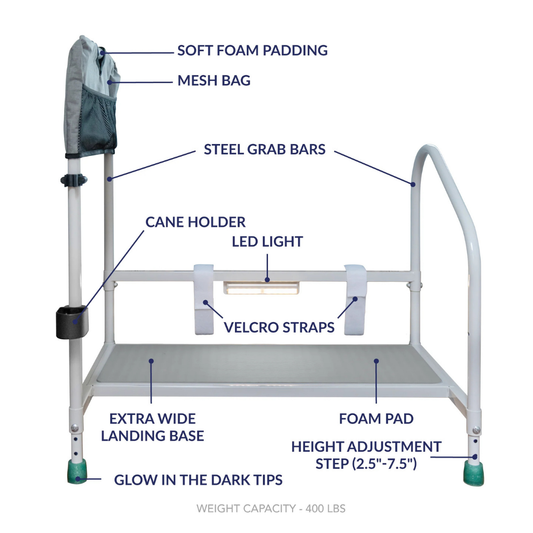
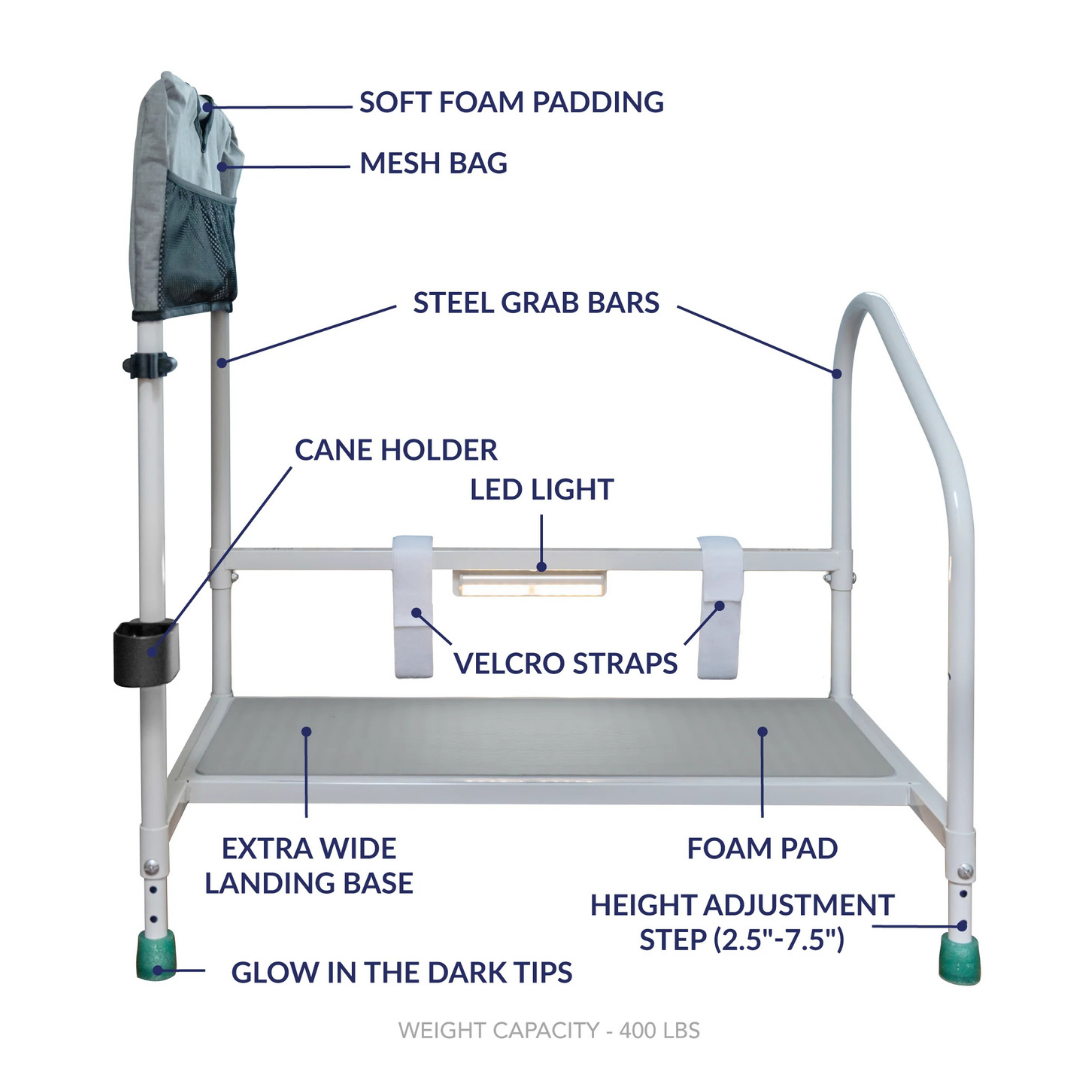
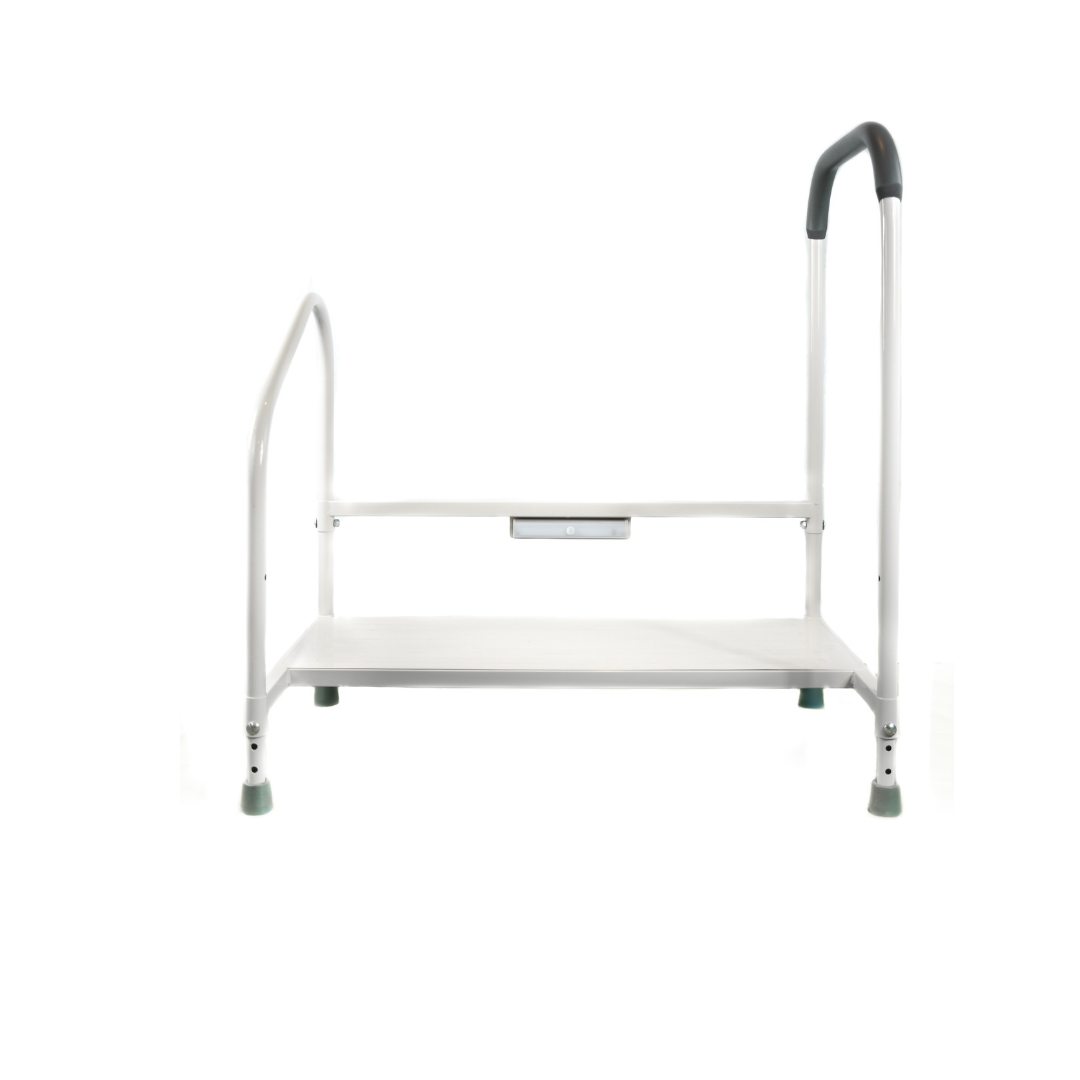


When we talk about home safety equipment—things like bathroom grab bars, shower chairs, medical alert systems, and lift chairs—we’re not just talking about products. We’re talking about understanding the physical changes that come with aging and using the right tools to create a supportive environment.
This guide is designed to educate you on why certain risks increase with age and how specific equipment can empower your loved one to maintain their dignity and independence by preventing accidents before they happen.
Creating a Safer Home for Your Loved Ones
Each year, millions of older adults experience falls and other incidents at home. Many of these are preventable with the right knowledge and simple modifications. This guide will provide the educational foundation you need to make those essential changes.
Making a home safer isn't just about bolting a few things to the wall. It's about creating an environment that actively supports a person's changing physical needs, from decreased muscle mass and balance to slower reaction times. Proactively setting up a home for safety is a lot like retrofitting a ship for a long voyage; it takes a thoughtful plan and the right gear to navigate the journey successfully.
Why Proactive Home Safety Matters
The benefits of adding the right equipment go far beyond just preventing an accident. It's a holistic approach to well-being rooted in understanding the user's needs.
- Empowers Independence: Aids like bed rails and lift chairs give seniors the power to manage daily tasks—like getting out of bed or standing up from a favorite chair—all on their own, compensating for reduced strength or joint pain.
- Prevents Costly Accidents: A serious fall can mean hospital stays, a long recovery, and mounting bills. The cost of a few grab bars is nothing compared to the financial and emotional toll of a major injury.
- Reduces Caregiver Stress: There's immense peace of mind that comes from knowing your loved one is in a safer environment. It lifts a huge weight off the shoulders of family and caregivers.
- Enhances Quality of Life: A safe home is a comfortable home. When a person feels secure, they're more likely to stay active and confident, which helps maintain muscle mass and overall health.
This approach transforms a house from a collection of potential hazards into a true sanctuary. It’s about more than just targeting high-risk areas like the bathroom or stairs; it’s about weaving a comprehensive support system into the fabric of the home itself.
By strategically placing safety equipment, you create "zones of support" throughout the house. A grab bar becomes a reliable anchor point for someone with balance issues, a well-lit hallway becomes a clear path for aging eyes, and a shower chair turns a slippery space into a secure seat.
The best way to start is with a thorough evaluation of the home. To help you pinpoint specific needs room by room, you can learn more about performing a comprehensive evaluation with our detailed home safety assessment checklist. This will set the stage for our walkthrough of the most essential gear, ensuring you make choices that have a real, positive impact on your loved one’s well-being.
The Reality of In-Home Risks for Seniors
The numbers around home accidents involving older adults can be sobering, but they provide critical insight that every family needs to hear. These aren't just abstract statistics; they represent real people, real families, and preventable crises. Understanding how common, age-related changes connect to the very real risk of injury at home is the first step toward creating a truly safe space.
Many of these risks start small. A slight shift in balance, a bit less strength than a few years ago, or a reaction time that’s just a fraction slower can turn a familiar hallway or a single step into a serious hazard. This is exactly why falls remain the number one concern for seniors living on their own.
Beyond the Numbers: The Story of Preventable Falls
It’s easy to write off a fall as a simple misstep, but for an older adult, it can be a life-altering event. The data paints an undeniable picture of this reality. Falls are the leading cause of both fatal and nonfatal injuries for seniors. In fact, one out of every three adults over 65 falls each year, which adds up to a staggering 36 million falls annually. These incidents happen so often that an older adult is treated in an emergency room for a fall every 11 seconds, and every 19 minutes, a fall-related death occurs. You can find more detail on these powerful statistics from the National Association of Certified Home Inspectors.
This isn't just a health crisis; it's a massive financial one, costing the U.S. healthcare system over $50 billion every year. But here’s the most important thing to remember: a fall is not an inevitable part of getting older. With the right home safety equipment for elderly individuals, it is almost always a preventable event.
The True Cost of Inaction
Ignoring minor stumbles or near-misses is a gamble with serious stakes. A single fall can set off a chain reaction of negative outcomes that go far beyond the initial injury.
- Loss of Independence: A serious injury often leads to a hospital stay, which can unfortunately become a permanent move to an assisted living facility.
- Fear of Falling: Even a minor fall can create a deep-seated fear. This often causes a person to become less active, which, ironically, weakens muscles and makes another fall even more likely.
- Financial Strain: The expenses tied to emergency care, rehabilitation, and long-term assistance can be financially devastating for families.
- Emotional Toll: The stress and constant worry placed on caregivers and family members are immense, impacting everyone’s quality of life.
Investing in home safety is one of the most cost-effective decisions a family can make. The cost of a few well-placed pieces of equipment is minor compared to the physical, emotional, and financial toll of a hospital visit and a long recovery.
A few strategic modifications can mean the difference between maintaining independence at home and facing a medical emergency. For caregivers, being proactive is the key. To get started, our guide on how to prevent elderly falls offers practical tips and strategies you can implement today. This proactive approach transforms a home from a place of potential risk into a secure base, preserving both health and happiness for the long term.
Making the Bathroom a Safe Zone
Let's be direct: the bathroom is often ground zero for falls at home. It’s a perfect storm of wet floors, hard surfaces, and the constant need to bend, sit, and stand—actions that challenge balance and strength. This makes it a high-risk area, especially for older adults.
Turning this space from a hazard into a haven is one of the most powerful things you can do to prevent falls. It’s not just about adding a few products; it's about building a system of support that brings back confidence and independence.
This simple chart shows exactly how a common hazard can lead to a serious injury. It's a chain reaction we see all too often.

The good news is that you can break this chain. A few smart modifications with the right home safety equipment for elderly individuals can stop a fall before it ever happens.
Here’s a quick look at the most essential pieces of equipment that can make an immediate difference.
Essential Bathroom Safety Equipment at a Glance
| Equipment Type | Primary Purpose | Best For | Key Feature to Look For |
|---|---|---|---|
| Grab Bars | Provides a stable handhold for balance and support. | Everyone. Essential for toilets, showers, and tubs. | Professional installation into wall studs; textured grip. |
| Shower Chair | Offers a secure seat to prevent slips while bathing. | Individuals who get tired or feel unsteady standing. | Non-slip rubber feet; adjustable height. |
| Transfer Bench | Allows sliding into the tub without stepping over the wall. | Those with significant mobility challenges or post-surgery. | A reversible design; locks securely in place. |
| Raised Toilet Seat | Reduces the distance needed to sit and stand from the toilet. | Anyone with weak legs, sore knees, or hip problems. | Models with built-in armrests for extra support. |
Each of these items plays a specific role in creating a safer bathroom, and combining them provides layers of protection.
Anchoring with Grab Bars
If you only make one change, make it this one: install grab bars. They are, without a doubt, the most effective tool for preventing slips and falls by providing a solid anchor point right where you need it.
Think of grab bars as permanent, reliable helping hands. They're always there to offer stability when stepping into the tub, lowering onto the toilet, or navigating a slippery floor.
Installation is everything. A grab bar is only as strong as its connection to the wall. They must be mounted securely into wall studs to handle a person’s full body weight during an unexpected slip. Stay away from suction-cup bars—they are notorious for detaching without warning. For more on placement, check out our complete guide on grab bars for elderly.
Upgrading Shower and Toilet Safety
Beyond grab bars, a few other key items can make daily routines much safer and more comfortable.
-
Shower Chairs and Transfer Benches: A shower chair provides a safe place to sit inside the tub or shower, which dramatically reduces the risk of slipping while bathing. For those with more significant mobility issues, a transfer bench is even better. It straddles the tub wall—two legs in, two legs out—allowing the user to sit down safely, then simply slide over into the shower. This completely eliminates the need for a risky high step over the tub wall.
-
Raised Toilet Seats: Getting up from a standard-height toilet can be a real struggle for someone with weak legs or painful joints. A raised toilet seat, especially one with built-in armrests, shortens the distance one has to move, making the whole process safer and much less strenuous.
-
Non-Slip Bath Mats: This is a simple but crucial safety measure. Use them both inside and outside the tub. Just make sure they have strong suction cups and are firmly pressed to the floor so they don’t become a tripping hazard themselves.
Tackling Burns and Other Hidden Dangers
While falls get most of the attention, other dangers lurk in the bathroom. Astonishingly, older adults account for 71% of deaths from consumer product-related incidents at home, despite making up just 16% of the population.
One preventable danger is scalding from hot water. The U.S. Consumer Product Safety Commission advises setting your water heater to a maximum of 120°F to prevent serious burns. It’s a quick adjustment that can save a lot of pain.
For those planning bigger upgrades, walk-in tubs or zero-entry showers are the ultimate solution, as they eliminate thresholds entirely. When planning any upgrade, it's wise to explore best ways to ensure tub safety to find a solution that fits the user's specific needs. Each of these modifications, big or small, helps create a bathroom that is truly safe and accessible.
Mobility Aids That Restore Confidence and Freedom
True independence isn't just about being at home; it's about moving through it safely and with confidence. Mobility aids are far more than simple tools. They're the key to turning uncertainty into self-assurance, forming a vital part of any home safety equipment for elderly plan by preventing falls and supporting an active life.

Using a mobility device isn't a sign of weakness; it's a proactive step toward staying safe. As more families see the direct impact these aids have on preventing injuries, their use has become much more common. Today, about 25% of adults over 65 use a mobility device, and for good reason: those who do are 50% less likely to fall.
When you consider that falls are linked to one death every 19 minutes, that statistic shows just how critical this equipment is. You can dig deeper into the data with this CPSC report on hidden home hazards.
Choosing the Right Personal Mobility Aid
Not all mobility aids do the same job. The key is to match the device to the person's specific needs for balance, strength, and endurance. Think of it like a doctor prescribing the right medication; the diagnosis must come first.
Here’s a quick rundown of the most common options and who they are best for:
- Canes: A cane is ideal for someone with relatively good balance who just needs a bit of extra stability or wants to offload pressure from a painful joint. For more support, a four-point (quad) cane offers a wider, more stable base than a single-point version.
- Walkers: A standard walker provides maximum stability. Because the user must lift it with every step, it’s best for people with significant balance issues or those in recovery from surgery who must limit the weight they put on a leg.
- Rollators: A rollator is a walker on wheels, complete with hand brakes and often a built-in seat. This is a game-changer for people with fair balance who fatigue easily. It allows for a smoother, more continuous walking pattern and provides a convenient place to rest.
It’s crucial to understand the difference between a walker and a rollator. They might look similar, but their functions are very different. Choosing the wrong one can actually create new safety risks. If you're weighing these two options, our guide on what a rollator walker is can help you make a smart, informed choice.
Creating a Network of Support in the Home
A personal mobility aid is only half of the equation. For true safety, the home itself needs to be adapted to provide built-in support and remove common obstacles. This creates a complete safety network that makes moving from room to room feel seamless.
Mobility is not just about the device a person holds, but also the environment they move through. A well-placed handrail is as important as a sturdy walker, creating a seamless system of safety.
These environmental upgrades are the foundation of a truly safe home.
Key Environmental Upgrades:
- Hallway Handrails: Installing sturdy handrails along long hallways, ideally on both sides, provides continuous support. This allows a person to move through the house with confidence, even if they've set down their primary mobility aid for a moment.
- Threshold Ramps: That small elevation change between a carpeted hallway and a tiled bathroom floor is a major tripping hazard. A small, beveled threshold ramp smooths out that transition, making it safe for walkers, wheelchairs, and even just shuffling feet.
- Stairlifts: For homes with more than one story, stairs can quickly become an insurmountable barrier, trapping someone on a single floor. While a stairlift is a significant investment, it can be the single most important piece of equipment that allows a person to stay in the home they love.
When you combine the right personal device with smart home modifications, you create an environment that doesn't just prevent falls—it actively encourages movement. This comprehensive approach is how you restore not just mobility, but the confidence and freedom that truly make a house a home.
Making Living Spaces Safer and More Comfortable
Beyond the obvious high-risk zones like the bathroom, we must consider where older adults spend most of their time: the living room and the bedroom. These are supposed to be places for rest and relaxation, but they can hide subtle challenges in the simple acts of sitting, standing, and getting into bed. The right equipment here does more than just prevent falls; it dramatically improves daily comfort and quality of life.

For many people, especially those dealing with arthritis, muscle weakness, or balance problems, just getting out of a favorite chair can be a daily struggle. A deep, comfortable recliner can feel more like a trap, demanding a huge amount of strain from the legs, back, and arms. This is exactly where a lift chair can be a game-changer.
The Power of Lift Chairs
At first glance, a lift chair looks just like a standard recliner. The magic is hidden inside: a powerful lifting mechanism that gently tilts the entire base of the chair up and forward. This smooth motion assists the person to their feet with very little effort, taking the strain off their body. Think of it as a steady, invisible hand giving a controlled boost.
A lift chair does so much more than help someone stand up. It hands back a piece of their independence, letting them use their favorite furniture without having to ask for help. This reduces the burden on caregivers and gives a real boost to self-esteem.
When selecting a lift chair, look beyond aesthetics and focus on the functional and medical benefits that will best serve the user.
- Recline Positions: Some chairs have a simple two-position recline. Others offer infinite positions, including a full "zero-gravity" recline that elevates the legs above the heart, which is medically beneficial for reducing swelling (edema) in the lower extremities.
- Sizing and Fit: Proper fit is crucial for both comfort and safety. The user’s feet should rest flat on the floor when seated, and their back should be properly supported. An ill-fitting chair can cause discomfort and reduce the effectiveness of the lift mechanism.
- Extra Features: Many modern lift chairs come with built-in heat and massage. These aren't just luxuries; they are therapeutic features that are excellent for soothing sore muscles and improving circulation.
Creating a Safer Bedroom
A safe, comfortable bedroom is absolutely vital for getting restorative sleep and starting the day securely. The risk of a fall doesn't just vanish at bedtime. In fact, getting up at night, perhaps while disoriented or needing the bathroom, can be a particularly vulnerable time. A few key pieces of equipment can tackle these risks head-on.
An adjustable bed is one of the most significant upgrades you can make. By allowing the head and feet to be raised independently, it makes sitting up and swinging one's legs out of bed a much simpler, safer motion. This is especially helpful for anyone who spends a lot of time in bed, as being able to change positions easily helps prevent painful pressure sores and general discomfort.
Bedside Support and Skin Protection
Beyond the bed itself, a few accessories can add crucial layers of safety and comfort, turning the bedroom into a true sanctuary.
Essential Bedroom Equipment:
- Bed Rails: These offer a sturdy handhold for getting in and out of bed and act as a barrier to prevent someone from accidentally rolling out during the night. It's critical to make sure they are installed correctly and are compatible with both the bed frame and mattress to avoid creating an entrapment hazard.
- Pressure-Relief Mattresses: For anyone who is bed-bound or has very limited mobility, a standard mattress can quickly lead to painful pressure ulcers. Specialized mattresses, like alternating-pressure or low-air-loss models, are engineered to redistribute weight and protect fragile skin.
- Bedside Tables: Simply keeping essentials—a glass of water, medications, a phone, and a lamp—within easy reach is a powerful safety strategy. It cuts down on the need to get out of bed and risk a fall in the dark.
Putting these solutions in place transforms the living room and bedroom from potential problem areas into spaces that genuinely promote rest, independence, and peace of mind.
A Caregiver's Guide to Choosing and Funding Equipment
As a caregiver, you naturally step into the role of safety coordinator, making critical decisions that help your loved one stay independent. This isn't just about buying stuff; it’s about creating a smart, practical plan for acquiring the right home safety equipment for elderly family members.
Choosing the right gear isn't about finding the most expensive gadget on the market. It’s about matching the solution to the person, and that process starts with a simple home safety assessment.
Matching Equipment to Your Loved One's Needs
Start by simply observing your loved one's daily routine. Where do they hesitate or struggle? Does getting out of a favorite chair look like a major effort? Do they seem unsteady when stepping into the shower?
These observations are your roadmap for matching their specific mobility and cognitive abilities to the right equipment. For example, someone with strong arms but weak legs will get far more out of a lift chair than a person who just needs a bit of help with balance while walking.
- For Mobility Challenges: If stamina is the main problem, a rollator with a built-in seat is a much better fit than a standard walker. But if balance is the primary concern, a sturdy walker offers more reliable stability.
- For Cognitive Decline: For someone dealing with memory issues, simplicity is key. Automated systems like medication reminders or single-button alert devices are far more effective than complex gadgets with a learning curve.
- For Progressive Conditions: If you know their condition will change over time, look for adaptable equipment. An adjustable bed that can be raised or lowered, for instance, can meet their needs both today and tomorrow.
Think of yourself as a safety detective. Your job is to spot the clues—a slight wobble, a hesitation before standing, a hand reaching for a wall—and then find the right tool to solve the problem before it turns into an accident.
Navigating the Financial Side
Once you have a list of what's needed, the next question is always, "How are we going to pay for all this?" Thankfully, there are several ways to make these essential purchases more manageable.
A great place to start is with pre-tax dollars. Many pieces of home safety equipment qualify for purchase using a Flexible Spending Account (FSA) or Health Savings Account (HSA). This allows you to pay for items like shower chairs, grab bars, and walkers with tax-free money, which is like getting an instant discount.
Many retailers also offer financing options, such as plans through Affirm, which break down a larger purchase into smaller, more manageable monthly payments. This is especially helpful for bigger investments like lift chairs, adjustable beds, or even stairlifts. When evaluating long-term accessibility solutions, caregivers should also consider the ongoing expenses. For a detailed breakdown of these, you can review this helpful guide on residential elevator maintenance costs.
Understanding Insurance and Medicare
While many daily living aids are paid for out-of-pocket, some items may be covered by insurance or Medicare. For this to happen, the equipment must be prescribed by a doctor and be deemed "medically necessary." These items fall under the official category of Durable Medical Equipment (DME).
For instance, Medicare Part B may cover 80% of the cost for the lifting mechanism inside a lift chair, although it won't cover the furniture part of it. Walkers and wheelchairs are also frequently covered, but only if a doctor has clearly documented the medical need. Bathroom safety items, on the other hand, are usually considered "convenience" items and are not covered.
To get a clearer picture of what qualifies, you can read our guide on what is considered durable medical equipment. The rules can be specific, so always double-check with the insurance plan to understand their exact coverage policies.
Frequently Asked Questions About Home Safety Equipment
When you start looking into home safety equipment for a loved one, a lot of questions come up. That’s completely normal. Getting clear, straightforward answers is the best way to feel confident you're making choices that will genuinely improve their safety and independence.
We get these questions all the time. Here are the answers to some of the most common ones.
How Do I Know Which Grab Bar Length Is Right?
There’s no single "best" size for a grab bar—the right length really depends on where it’s going and what its job is. Think of it less like a one-size-fits-all solution and more like a tool chosen for a specific task.
For instance, an 18-to-24-inch bar installed vertically or diagonally next to the toilet is fantastic for providing support when sitting down and standing up. Inside a shower or tub, you'll want a longer bar, somewhere in the 24 to 36-inch range, installed horizontally. This gives a person a much wider area to hold onto as they move, ensuring a stable handhold is always within easy reach. The most critical factor, no matter the length, is making sure it's mounted directly into wall studs for rock-solid stability.
Is a Rollator Better Than a Standard Walker?
Choosing between a rollator and a standard walker is all about balancing the need for maximum stability against the need for easier movement and endurance.
- A standard walker is your go-to for maximum stability. Since you have to lift it with every step, it’s ideal for people with significant balance issues or those recovering from surgery who need to carefully control how much weight they put on their legs.
- A rollator, with its wheels and built-in seat, is designed for those who have decent balance but get tired easily. It promotes a smoother, more natural walking gait and gives you a convenient spot to rest, which is a game-changer for longer outings.
Because a rollator’s wheels require more control from the user, the decision really comes down to the person’s specific physical capabilities and confidence.
A walker is like a sturdy anchor, prioritizing stability above all else. A rollator is more like a supportive travel companion, built for movement and endurance.
Will Insurance Pay for a Lift Chair or Shower Bench?
Navigating insurance coverage for home medical equipment can feel complicated, and what’s covered varies a lot between plans. Medicare Part B might cover the lifting mechanism of a lift chair if a doctor prescribes it as Durable Medical Equipment (DME), but it almost never covers the furniture part of the chair.
Unfortunately, most basic bathroom safety items like shower benches and grab bars are often considered "convenience items" by Medicare and aren't covered. The good news? Nearly all of these products are eligible for purchase using pre-tax funds from an FSA or HSA account. Always call your specific insurance provider to get the final word on their policies.
What Is the Most Important First Step for Home Safety?
The single most impactful thing you can do right now is a simple walk-through of the home to find and get rid of tripping hazards. This is low-cost, high-impact safety. Look for loose area rugs, clear clutter from hallways and main pathways, and make sure stairwells and corridors are well-lit.
Once that’s done, the very next priority should be installing grab bars in the bathroom. A huge percentage of serious falls happen in this one room. Adding secure anchor points provides an immediate and significant boost in safety where it's needed most.
At DME Superstore, we're here to help you find the right solutions to create a safer, more independent home. Explore our wide selection of high-quality, reliable home safety equipment today.


