

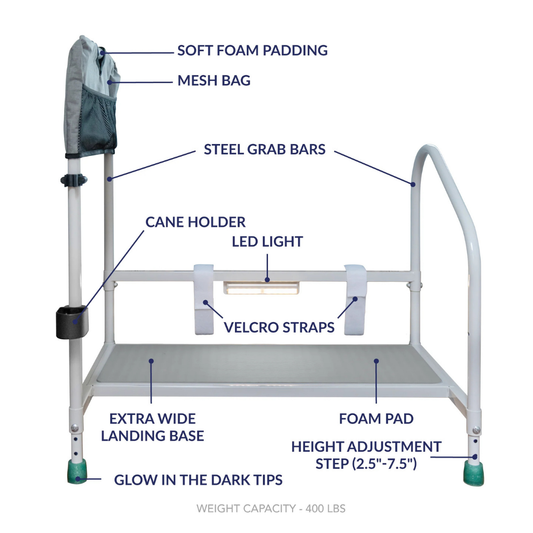
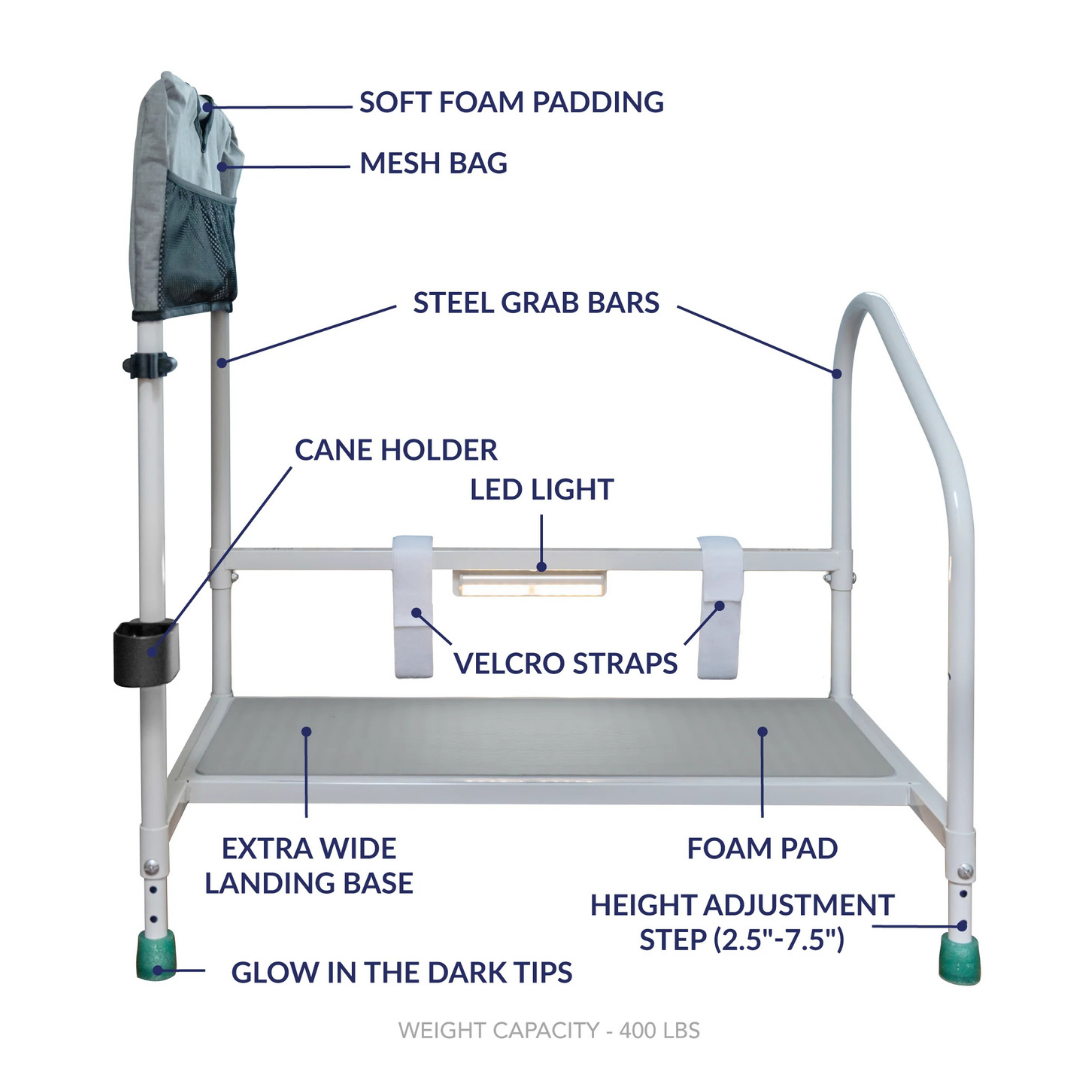


Finding the best walkers for elderly users isn't about identifying a single "best" product—it's about understanding the user's specific needs to find the right mobility solution. An individual needing maximum support after surgery will benefit most from a stable standard walker. In contrast, a more active person who wants to maintain their community engagement will appreciate the freedom a rollator with a seat and hand brakes provides. A well-chosen walker is a crucial tool for promoting an active, safe, and independent lifestyle.
Choosing the Right Walker for Enhanced Mobility and Safety
Selecting the right mobility aid is a significant step toward improving safety, independence, and confidence. This guide is designed to be an educational resource, moving beyond simple product lists to provide a real-world analysis of different walker types. We will explore them not just as medical devices, but as essential tools that empower users to live a more active and engaged life.
The demand for reliable walkers is growing rapidly. The global market for elderly walkers was recently valued at approximately USD 1.6 billion and is projected to reach USD 3.10 billion by 2032. This growth is driven by a global aging population, with the number of individuals aged 80 or older expected to triple by 2050. These statistics highlight the vital role that quality walkers play in maintaining an independent lifestyle.
Understanding the Core Walker Types
This guide will educate you on the main categories of walkers to help you make an informed decision. We'll compare different models based on their stability, mechanism of movement, and the real-life situations they are best suited for. Our goal is to provide trusted information so you can feel empowered in choosing a solution for yourself or a loved one. As you explore options to improve mobility, it's also worth investigating the variety of cowalker products available today.
First, let’s break down the functional differences between the most common walker types.
| Walker Type | Primary Benefit | Ideal User Profile | Common Environment |
|---|---|---|---|
| Standard Walker | Maximum stability | Post-surgery recovery or significant balance issues | Primarily indoors on flat surfaces |
| Rollator (Wheeled) | Smooth mobility and rest | Active users who can walk but need balance support | Both indoors and outdoors |
| Hemi Walker | One-handed support | Individuals with weakness on one side (e.g., post-stroke) | Indoor navigation and transfers |
| Bariatric Walker | Higher weight capacity | Users requiring a reinforced, wider frame | Varies by specific model |
Each of these walkers serves a distinct medical and lifestyle purpose, so a one-size-fits-all approach is ineffective. A standard walker, for example, offers unparalleled support but requires the user to lift it with every step, which can be taxing. In contrast, a rollator glides forward, promoting a more natural walking pattern but also requiring more user control to operate safely.
A walker isn't just about preventing falls; it's about restoring confidence. The right device allows a person to engage with their community, perform daily tasks, and maintain a sense of self-sufficiency.
Understanding these key differences is the first step. As you continue through this guide, you’ll learn how to match these walker types to specific physical needs, daily environments, and personal lifestyles. Making a thoughtful choice is a key component of a broader fall prevention strategy. To learn more, check out our guide on how to prevent elderly falls.
Comparing the Main Types of Walkers for Seniors
Choosing between different walker types becomes much simpler once you understand the specific purpose each one is designed for. Every model provides a certain level of support tailored to a particular environment. A walker that grants one person newfound freedom might be entirely unsuitable for another, which is why matching the device to the user's real-world needs is critically important.
The key is to look beyond a list of features and consider how each design functions in daily life. We’ll break down the five main categories—standard walkers, rollators, bariatric walkers, hemi walkers, and knee walkers—using practical scenarios to help you understand which one is the best fit.
This visual guide is a great starting point, helping you match personal mobility needs and lifestyle factors to the right kind of walker.
As the chart illustrates, the best choice always involves balancing the need for stability with the user's physical strength and the environments where the walker will be used most often.
Standard Walkers: For Maximum Stability
The standard walker is the most basic and stable design available. It consists of a simple frame with four rubber-tipped legs that must be physically lifted and placed forward with each step. This deliberate, controlled motion makes it the best choice for anyone with significant balance impairments or for individuals recovering from surgery who must limit weight-bearing on one leg.
Think of it as a set of portable handrails. Its primary function is to offer a fixed, unshakable base of support, making it ideal for moving around indoors in controlled spaces like hallways and bathrooms. However, the required "lift-and-place" pattern can become tiring over longer distances and may not feel natural for all users.
For anyone in post-operative recovery, a standard walker's non-wheeled design is a critical safety feature. It prevents the device from accidentally rolling forward when a user needs to lean on it with significant weight while standing up or sitting down.
Rollator Walkers: For Smooth Mobility
Unlike standard walkers, rollators have wheels on all their legs, eliminating the need to lift the device. This design facilitates a smooth, continuous walking pattern, making them ideal for more active individuals who need balance assistance but want to maintain a more natural gait. To get a better sense of their features, you can learn more about what a rollator walker is and its specific advantages.
Rollators are typically available in two main styles: three-wheel and four-wheel.
- Three-Wheel Rollators: These are lighter and more maneuverable, making them excellent for navigating tight indoor spaces like small apartments or crowded shops. Their triangular shape provides a much smaller turning radius.
- Four-Wheel Rollators: With a wider base, these offer greater stability, especially for outdoor use. Most four-wheel models also include a built-in seat and backrest—a significant benefit for anyone who experiences fatigue and needs frequent rest breaks.
The trade-off is clear: the three-wheel model is designed for agility, while the four-wheel model prioritizes stability and comfort. The correct choice depends entirely on the user's primary environment and whether a seating option is necessary.
Bariatric Walkers: For Robust Support
For individuals who require a higher weight capacity, bariatric walkers are the only safe and reliable option. These walkers are constructed with reinforced steel or heavy-duty aluminum frames and feature wider dimensions to ensure a comfortable and secure fit. They are specifically engineered to safely support users who weigh more than the standard 250–300 pound limit of most walkers.
Beyond a higher weight limit, bariatric models often feature stronger welds and sturdier components, ensuring the walker provides dependable support and stability that gives the user complete confidence with every step.
Specialized Walkers For Unique Needs
Sometimes, a specific medical condition requires a mobility aid designed to solve a very particular problem. Hemi walkers and knee walkers are excellent examples of this type of specialized equipment.
Hemi Walkers For One-Sided Weakness
A hemi walker, also known as a side walker, is designed for individuals who have weakness or paralysis on one side of their body, which is common following a stroke. It resembles a standard walker folded in half, with four legs providing a wide base on one side and a single handgrip on the other.
This unique design offers a wider, more stable base than a quad cane, yet it's lighter and more manageable than a full-sized walker. It can be easily controlled with one hand, making it an effective tool for navigating doorways or transitioning from a seated to a standing position.
Knee Walkers For Lower Leg Injuries
A knee walker (or knee scooter) is a specialized mobility device for anyone recovering from a below-the-knee injury or surgery, such as a fractured foot or ankle. Instead of supporting body weight through the arms and upper body, it features a padded platform where the user rests the knee of their injured leg.
The user then propels themselves forward with their uninjured leg. This allows for much faster movement than crutches while keeping the injured leg completely non-weight-bearing—a crucial factor for proper healing.
Walker Comparison for Specific Needs
To simplify the decision-making process, this table outlines which walker type is generally best suited for different user needs and environments.
| Walker Type | Best For User Profile | Key Feature | Ideal Environment | Mobility Level |
|---|---|---|---|---|
| Standard Walker | Post-surgery recovery; significant balance issues | Maximum stability, no wheels | Indoors, short distances | Low mobility, needs high support |
| 3-Wheel Rollator | Active user needing light support in tight spaces | High maneuverability, lightweight | Indoors, small apartments, stores | Moderate mobility, good balance |
| 4-Wheel Rollator | Active user needing rest breaks and outdoor stability | Built-in seat, larger wheels | Indoors & outdoors, varied terrain | Moderate mobility, needs rest option |
| Bariatric Walker | Users exceeding 300 lbs | Reinforced frame, high weight capacity | Indoors & outdoors | Varies, requires robust support |
| Hemi Walker | Stroke survivors; weakness on one side of the body | One-handed use, wide stable base | Indoors, navigating doorways | One-sided weakness, needs stability |
| Knee Walker | Below-the-knee injuries (e.g., broken ankle) | Non-weight-bearing leg support | Indoors & outdoors on smooth surfaces | Good upper body strength, one leg injured |
This table serves as a quick reference, but always consider the individual’s specific strength, endurance, and daily routines when making a final choice. The best walker is always the one that fits the person, not just the category.
Diving Into the Details: Essential Walker Features
Once you have identified the appropriate type of walker, understanding the key features is the next step. These details can mean the difference between a walker that feels like a natural extension of the body and one that is a constant source of frustration. The right combination of brakes, wheels, and materials is what truly ensures safety, comfort, and everyday usability.
These are not just specifications on a product page; they directly affect how a walker performs in a home, on an uneven sidewalk, or during transport. Let's break down what truly matters.
Brakes and Wheels: The Foundation of Safety and Control
For any walker with wheels, particularly a rollator, the brake and wheel system is the most critical safety feature. The system must be reliable and easy for the user to operate. The two main types of brakes are distinguished by their mechanism, which relates directly to hand strength.
- Loop Brakes: Functioning like bicycle hand brakes, you squeeze the lever to slow down and push it down to lock the wheels in place—a mandatory step before sitting. They provide responsive control but require moderate hand strength to operate confidently.
- Push-Down Brakes: This is an excellent option for individuals with arthritis or a weaker grip. The brakes engage automatically when weight is applied to the walker's frame. To move forward, the user simply has to lift up slightly. It is an incredibly secure design, though it may feel less intuitive at first.
The wheels are equally important, as they determine where the walker can be used safely. Wheel size is the key factor. Smaller wheels, typically 5 to 6 inches, are designed for indoor use. They pivot easily, simplifying navigation around tight corners and through narrow hallways on smooth surfaces like tile or hardwood.
For outdoor use, larger wheels of 8 inches or more are essential. They can roll over uneven terrain like cracked pavement, grass, or gravel without getting stuck, providing a much smoother and safer experience.
Adjustability and Comfort: Getting the Fit Just Right
A walker is neither safe nor effective if it doesn't fit the user properly. An improperly sized walker can lead to poor posture, back pain, and increased instability. For this reason, adjustable handle height is an essential feature. The handles should align with the user's wrist crease when their arms hang naturally at their sides. This position allows for a slight, comfortable 20-30 degree bend in the elbows when gripping the handles.
Another important feature, particularly on four-wheel rollators, is a built-in seat. It may seem like a minor addition, but having a convenient place to rest is invaluable for anyone who deals with fatigue or shortness of breath. If considering a model with a seat, always verify its height and weight capacity to ensure it is a comfortable and secure option.
A walker's features should solve problems, not create them. An intuitive folding mechanism, a comfortable seat, or brakes that are easy to engage can be the deciding factors that encourage consistent and safe use.
Portability and Durability: Why Materials Matter
A walker's construction material directly impacts its weight, durability, and portability. The decision usually involves a trade-off between strength and weight.
Most walkers and rollators are built with a lightweight aluminum frame. It is the preferred choice because it is strong enough for daily use yet easy to lift into a car or carry up a few stairs. This portability is crucial, as it encourages users to take the walker with them, promoting an active life outside the home.
For bariatric models or walkers intended for heavy-duty use, a durable steel frame is the better option. While heavier, steel provides a much higher weight capacity and superior durability, delivering maximum stability and peace of mind for users who need robust support.
Finally, do not overlook the folding mechanism. If the walker will be transported frequently, it needs to be easy to collapse. The best designs often feature a simple one-hand or single-pull system that allows for quick folding without a struggle. A walker that is difficult to fold is often left behind.
Matching a Walker to Individual Needs and Lifestyles
Choosing a walker is more than a medical equipment purchase; it's a lifestyle decision. The best walker integrates seamlessly into a person's daily routine rather than disrupting it. To find the right match, one must consider the real-world environments and situations where it will be used.
Ultimately, a walker should be a tool that empowers and supports independence, whether at home or in the community. The key is to match the walker’s strengths to the user's daily life, physical condition, and personal goals.
Indoor Agility vs. Outdoor Freedom
Consider two different scenarios. An individual who spends most of their time indoors, navigating familiar hallways and rooms, would benefit from a lightweight rollator with a tight turning radius. This allows them to move from room to room with confidence, without the device feeling cumbersome or getting stuck in tight spaces.
Now, imagine someone who enjoys a daily walk to the park. Their route includes uneven sidewalks, patches of grass, and perhaps a slight incline. This person needs a sturdy rollator with large, 8-inch wheels and a robust frame. The larger wheels will roll over cracks and bumps smoothly, and a built-in seat offers a convenient spot to rest.
A walker that’s perfect for navigating your home can quickly become a hazard outdoors, and vice versa. The environment dictates the most important features, especially wheel size and overall frame stability.
Supporting Post-Operative Recovery
Recovering from major surgery, such as a hip or knee replacement, presents unique mobility challenges. During this critical healing period, stability is paramount. This is where a standard walker is most effective.
With no wheels, a standard walker provides an unmoving, secure base of support. The user must lift it with each step, which naturally encourages a slow, deliberate pace and prevents it from rolling away unexpectedly. This makes it the safest choice for someone who needs to place significant weight on the device while regaining strength and balance.
Special Considerations for Cognitive Conditions
For individuals with cognitive conditions like dementia or neurological disorders like Parkinson's disease, simplicity is crucial. A walker with complex features can be confusing and overwhelming. The best walkers for seniors with these conditions often have straightforward, intuitive designs.
Look for walkers with clear, easy-to-use safety features. For example, some models designed for Parkinson's patients have specialized braking systems that are always engaged by default and only release when the user actively squeezes the handles. This design can be a critical safety feature, helping to prevent a fall if a freezing-of-gait episode occurs. You can find more details on how these models work in our guide on which U-Step walker is right for you.
Simplicity also means fewer distractions. A basic, sturdy frame without excessive accessories helps the user focus on the primary task: walking safely.
The Role of the Caregiver
Finally, it is important to consider the needs of any caregivers involved. If a family member or aide assists the user, the walker should be easy for them to manage as well.
From a caregiver's perspective, here are a few key questions to ask:
- How heavy is it? Can it be lifted into a vehicle without causing strain?
- How easy is the folding mechanism? Can it be collapsed quickly during outings?
- Are the brakes easy to reach and lock? Can the walker be secured instantly before assisting the user to sit?
A lightweight aluminum frame with a simple one-pull folding system is often the most practical choice in these situations. It ensures the walker is an asset for both the user and their caregiver, making every outing smoother and less stressful. By carefully considering these real-life needs, you can choose a walker that genuinely enhances freedom and safety for everyone involved.
How to Ensure a Safe and Proper Walker Fit
Selecting the right type of walker is a crucial first step, but ensuring a proper fit is what makes it a safe and effective tool. An improperly sized walker can be detrimental, leading to poor posture, muscle strain, and an increased risk of falling.
Taking a few minutes to adjust the walker to the user's specific measurements is essential for realizing its full safety benefits.
This simple process establishes the foundation for confident, secure movement with every step.
Getting the Height Just Right
Proper height adjustment is the single most critical factor for a safe fit. If a walker is too high, it forces the user to shrug their shoulders, leading to neck and shoulder pain. If it's too low, it causes them to hunch over, which strains the back and compromises balance.
The goal is to maintain a natural, upright posture. Here’s a quick, step-by-step process to achieve the perfect height:
- Wear Your Everyday Shoes: Begin by wearing the shoes that will be used most often with the walker.
- Stand Naturally: Stand up straight inside the walker frame, with relaxed shoulders and arms hanging comfortably at the sides.
- Check Wrist Level: Adjust the walker’s legs so the handgrips align with the crease of the wrists.
- Verify Elbow Bend: When placing hands on the grips, the elbows should have a comfortable 20 to 30-degree bend. This slight angle provides optimal leverage and shock absorption without straining the arms or shoulders.
This simple measurement ensures the user can maintain good posture while applying the correct amount of weight on the walker for support.
Your Pre-Use Walker Safety Checklist
Before each use, a quick safety check can prevent accidents and confirm that all components are functioning correctly. This brief inspection provides valuable peace of mind.
- Test the Brakes: For rollators, squeeze the hand brakes to ensure they engage smoothly and firmly. Push the levers down to confirm the parking brake locks securely and prevents any movement.
- Inspect the Wheels: Check that all wheels are in good condition and spin freely. Clean any hair, thread, or debris that may be tangled around the axles.
- Check Locking Mechanisms: If the walker is foldable, double-check that the locking mechanism is fully engaged, ensuring the frame is rigid and secure.
- Examine Handgrips: Make sure the handgrips are tight and do not twist or slip. Worn grips can seriously compromise user control.
- Look at the Tips: For standard walkers, inspect the rubber tips on the legs. If they appear worn, replace them immediately, as worn tips can slip on smooth floors.
Preventing falls is a major public health priority, especially as mobility challenges increase with age. This focus has made North America a major player in the elderly walker market, holding over 36% of the global share due to its large senior population and advanced healthcare infrastructure. You can discover more insights about the walker market at gminsights.com to learn more about the importance of quality equipment.
Navigating Common Household Obstacles
A perfectly fitted walker is an excellent tool, but knowing how to maneuver around common obstacles is equally important for safety.
To pass through a narrow doorway, turn the walker slightly sideways, step through the opening first, and then bring the walker through. When approaching an area rug, do so straight on. Ensure all four wheels or legs are squarely on the rug before proceeding to avoid catching an edge.
By combining a proper fit with smart maneuvering techniques, a walker becomes more than just a device—it becomes a reliable partner in maintaining daily independence.
Your Partner in Finding the Right Mobility Solution
Navigating the world of mobility aids can feel overwhelming, but you don't have to do it alone. We designed this guide to provide the educational foundation needed to choose the best walkers for elderly loved ones, and our store is curated to make that choice a reality. We have done the research for you, selecting products from top-tier brands known for their quality engineering and reliability.
Our mission is to empower seniors to live with dignity and independence. We understand that finding the right mobility aid is a key part of caring for the elderly to promote dignity and independence. That’s why we support our products with customer-focused benefits that make a real difference.
Making Your Purchase Simple and Secure
Acquiring the right equipment should be a straightforward and stress-free process. We offer several benefits to give you complete confidence in your purchase.
- Nationwide Free Shipping: We will deliver your walker directly to your door, anywhere in the country, at no extra cost.
- 30-Day Return Policy: If the walker isn't a perfect fit, our transparent return policy provides peace of mind.
- 24/7 Chat Support: If you have a question at any hour, our expert team is always available to provide guidance and answers.
We see ourselves as more than just a retailer. We are your dedicated partner, committed to enhancing mobility, safety, and quality of life long after your purchase is complete.
We also strive to make payment as easy and accessible as possible. You can use your FSA or HSA funds for any walker, as they all qualify as durable medical equipment. For additional flexibility, we offer financing options, allowing you to get the right solution now and pay over time. We are here to help you find the perfect walker that restores confidence and supports an active life.
Your Top Questions Answered
When you begin researching walkers, several key questions almost always arise. Getting clear, factual answers is the best way to feel confident in your choice of mobility aid for yourself or a family member.
Here are some of the most common questions we hear, with straightforward answers to help guide your decision.
Should I Get a Standard Walker or a Rollator?
This is a fundamental question, and the answer depends on the balance between stability and momentum.
A standard walker is designed for maximum stability. Because it has no wheels and must be lifted for each step, it is the best choice for someone with significant balance issues or who is in the early stages of recovery from major surgery. It promotes a slow, deliberate gait.
A rollator, on the other hand, is built for individuals who need support but want to maintain a more natural, fluid walking pace. The wheels allow it to be pushed smoothly, making it far less tiring over longer distances. Furthermore, the built-in seat is a crucial feature for anyone who needs to take frequent rest breaks.
Can I Use My FSA or HSA Card to Buy a Walker?
Yes, absolutely. Walkers and rollators are classified as durable medical equipment (DME), which makes them a fully eligible expense for both Flexible Spending Accounts (FSA) and Health Savings Accounts (HSA).
Using your FSA or HSA funds is a smart, tax-advantaged way to pay for essential safety equipment. It makes getting a high-quality mobility aid that much more affordable and accessible.
This means you can typically use your FSA or HSA card directly at checkout, simplifying the payment process and avoiding the need for reimbursement later.
What's the Most Important Feature for an Outdoor Walker?
When a walker is intended for outdoor use, no feature is more important than the wheels. If the wheels cannot handle the terrain, the walker will be ineffective and potentially unsafe.
For navigating cracked sidewalks, grass, gravel, or uneven park paths, you need a rollator with large wheels, ideally 8 inches in diameter or more.
Larger wheels roll over imperfections rather than getting caught in them. This provides a much smoother, safer experience and dramatically reduces the risk of the walker catching on an obstacle and tipping. Of course, a sturdy frame and reliable brakes are also crucial for managing slopes and varied surfaces.
At DME Superstore, our goal is to help you find the perfect mobility solution that fits your real-world needs and lifestyle. We invite you to explore our carefully selected collection of walkers and rollators with confidence.
Browse Our Full Collection of Walkers and Rollators at dmesuperstore.com

