

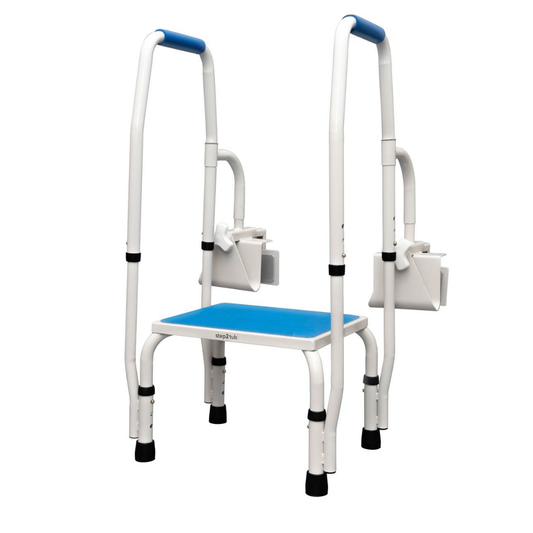
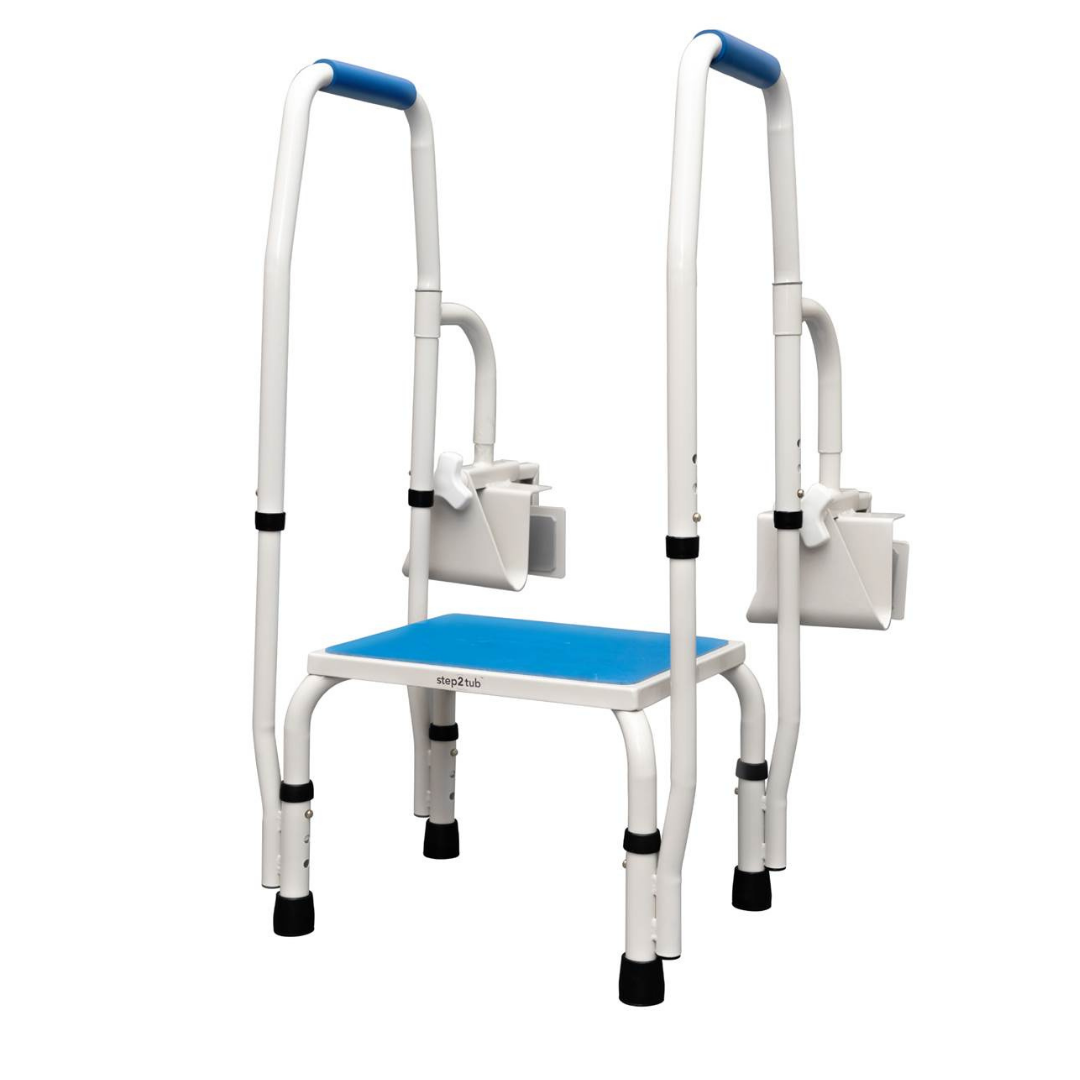
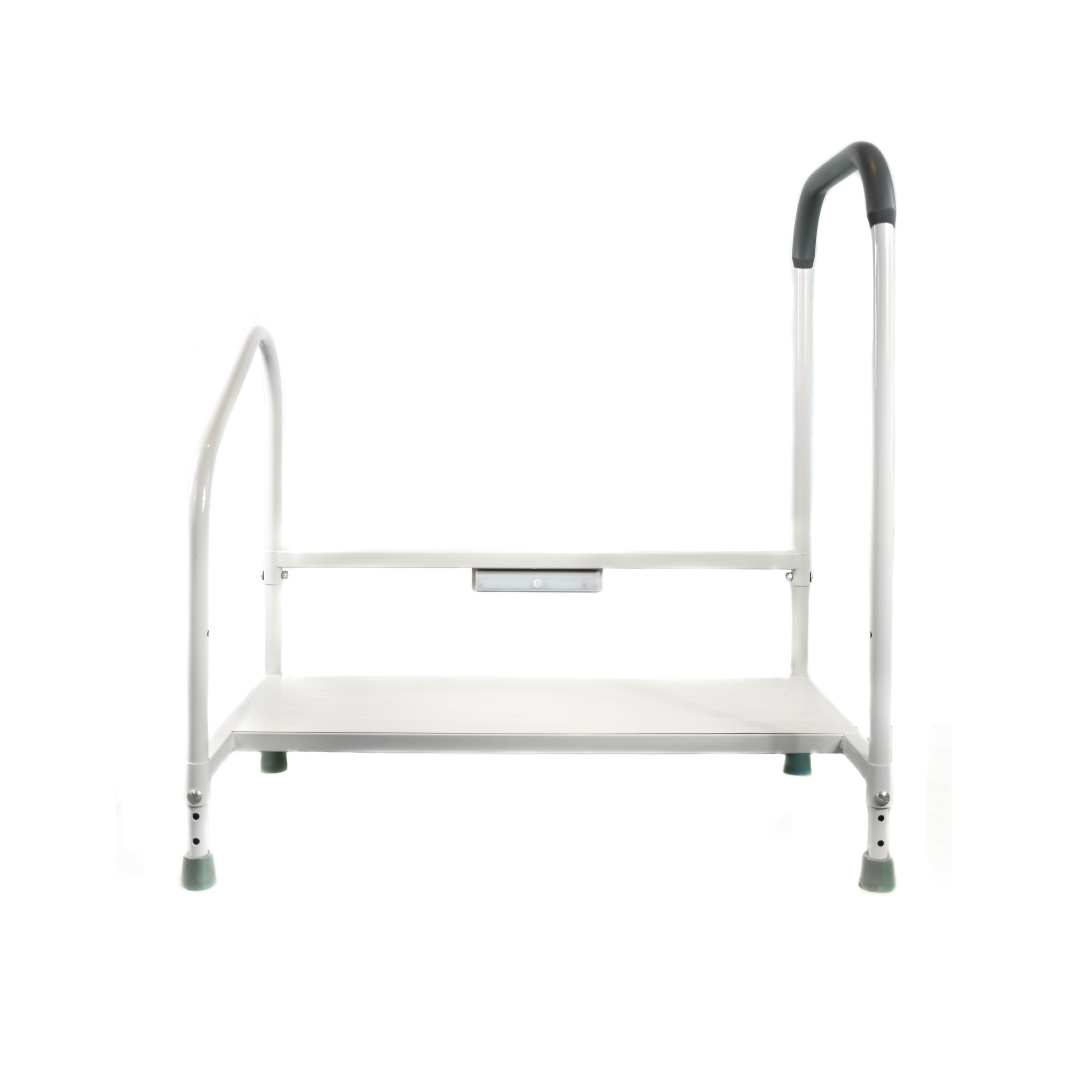


A commode chair is a portable toilet aid for people who can't safely or easily get to a bathroom, and many common models work as 3-in-1 units that can serve as a bedside commode, a raised toilet seat, or a toilet safety frame. If you're trying to help a parent, spouse, or patient toilet more safely at home, a commode can make the trip shorter, reduce strain during transfers, and support dignity when walking to the bathroom is difficult.
A lot of families start looking into commodes at the same moment. Someone comes home after surgery, gets weaker after an illness, or starts needing help at night. Suddenly the question isn't abstract anymore. It's practical. What will help them get to the toilet safely, and what will make caregiving easier without making the person feel helpless?
That's where a clear understanding helps. Some people need a commode chair beside the bed. Others may do better with a raised toilet seat or a safety frame over the toilet. The right answer depends on mobility, transfer ability, bathroom layout, and how much help the person needs.
What Is a Commode Chair and Who Needs One
At 2 a.m., the bathroom can feel much farther away than it does during the day. A person who is recovering from surgery, living with Parkinson's, or getting weaker after an illness may be able to walk a few steps at noon and still be unsafe making that same trip at night. In that moment, a commode chair is less about convenience and more about preventing a rushed, shaky transfer.
A commode chair is a portable toileting seat with an opening in the seat and a removable bucket or pail underneath. It gives someone a place to toilet closer to where they are, or extra support over a regular toilet, when a standard bathroom setup no longer matches what their body can do safely.
For many families, the hardest part is not understanding what a commode is. It is deciding whether a commode is the right answer, or whether a different bathroom aid would solve the problem with less equipment in the room.
A good way to sort that out is to ask one simple question: What part of toileting has become unsafe?
- If the problem is distance or urgency, a commode near the bed or chair may help.
- If the problem is sitting down and standing up from a low toilet, a raised toilet seat or toilet safety frame may be enough.
- If the problem is balance during the transfer, the person may need arm supports, closer setup, or caregiver help.
- If the problem is getting on and off from a wheelchair, the transfer method matters as much as the toileting aid.
That distinction matters. A commode is one tool in the bathroom safety toolkit, not the automatic choice for every person who needs help.
What a commode chair does in daily life
Many home models are called 3-in-1 commodes because one frame can serve three practical jobs:
- Bedside commode: used with the pail in place, close to the bed
- Raised toilet seat: placed over a standard toilet with the bucket removed
- Toilet safety frame: used for hand support during sit-to-stand transfers
You can picture it like a flexible base. The frame stays familiar while the setup changes to match the person's strength, endurance, and bathroom access. That can be reassuring for someone who is already dealing with a lot of change.

Who may benefit from one
A commode chair is often helpful for people who can still participate in toileting but cannot do it safely with a standard toilet setup.
Common examples include:
- Someone returning home after surgery who gets tired before reaching the bathroom
- An older adult with poor balance who struggles to turn, back up, and lower safely
- A person with weakness after hospitalization who can stand briefly but not walk far
- Someone with nighttime urgency or incontinence who needs a shorter, faster route
- A wheelchair user who needs a transfer surface at the right height and position
- A caregiver-assisted adult when shorter transfers reduce lifting strain and preserve privacy
A commode can also protect dignity. Many people feel embarrassed when toileting becomes unpredictable. Having the right setup nearby can reduce panic, reduce rushing, and make the whole process calmer for both the user and the caregiver.
When a commode may not be the best first choice
Sometimes a simpler option works better.
If the person already gets to the bathroom safely and the main issue is pushing up from a low toilet, a raised seat or toilet frame may be all they need. If bathing is the bigger concern, a shower chair or transfer bench may matter more. If you are comparing those options as part of a larger home plan, this guide to bathroom safety equipment for elderly adults can help.
Here is the practical rule I often give families: if the unsafe part happens before the person reaches the toilet, a commode becomes more worth considering. If the unsafe part happens only at the toilet, another aid may be a better fit.
The idea itself is not new. Before indoor plumbing was common, households used chair-style commodes indoors as a more private sanitation option, as shown in the Victorian Collections record on a historic commode chair. Today's versions are designed for safety, cleaning, and transfers, but the basic purpose is still the same. Bring toileting within safer reach when the usual bathroom route asks too much of the person.
The Four Main Types of Commode Chairs
Choosing a commode is less like picking a chair and more like matching a transfer method to the person. The right question is not, “Which model looks best?” It is, “How does this person get on and off safely, with the least strain and the most dignity?”
That is why the type matters so much. A commode that works well for someone who can stand and pivot may be a poor fit for someone who transfers sideways from a wheelchair.
Commode chair types at a glance
| Commode Type | Best For | Key Advantage |
|---|---|---|
| Standard or 3-in-1 bedside commode | People who need short transfers and flexible setup | Can be used at bedside, over a toilet, or as a support frame |
| Drop-arm commode | Wheelchair users or people doing side transfers | Armrest moves out of the way for safer lateral transfer |
| Wheeled commode | Users who need caregiver-assisted transport | Can be moved between bed, toilet area, and sometimes shower space |
| Bariatric commode | People who need a wider seat and heavier-duty frame | More room and stronger construction for safety and comfort |
Standard or 3-in-1 bedside commode
This is the model many families start with, and for good reason. It is the most flexible type. You can place it at the bedside for urgent toileting, set it over a regular toilet to raise the seat height, or use it as a toilet safety frame with the bucket removed.
For a person who can stand, turn, and sit with some help, this is often the simplest match. It works well when the main goal is shortening the distance to the toilet without changing the transfer pattern too much. A standard steel bedside commode with 3-in-1 use is a common example of this category.
A simple setup is often easier for caregivers too. Fewer moving parts usually means less confusion during nighttime trips.
Drop-arm commode
A drop-arm commode is built for side transfers. One or both armrests lower out of the way, so the user can move across from a wheelchair, bed, or transfer board without having to lift over a fixed side rail.
This type often makes sense for a person with one-sided weakness, limited standing ability, or a transfer pattern that depends on sliding across rather than pivoting. In practice, the armrest can either support the transfer or block it. With a fixed-arm model, families sometimes find themselves twisting the person into position. A drop-arm design creates a clearer path and usually makes the movement more controlled.
If you watch the transfer first, the choice often becomes obvious.
Wheeled commode
A wheeled commode serves a different purpose. It is for a person who cannot walk safely to the bathroom and is usually moved with caregiver help. These models have wheels, locking brakes, and a frame designed to be pushed short distances inside the home.
Some families consider this type when they need one chair for toileting and transport. That can work well, but only if the home layout, flooring, door widths, and caregiver technique all support it. Wheels add convenience, but they also add another safety task. The chair must be positioned well, the brakes must be locked before transfer, and the user still needs enough trunk support for the ride and the sit.
In other words, a wheeled commode is not just a bedside commode with casters. It is a transport tool, and it should be chosen that way.
Bariatric commode
A bariatric commode is made for users who need more seat width, higher weight capacity, or a frame that feels more stable during transfers. Size alone is not the only reason to choose one. Sometimes a broader base and roomier seat improve comfort and reduce the feeling of being squeezed during a difficult transfer.
This is one area where guessing can create real problems. A commode that seems sturdy may still be too narrow, too light, or poorly matched to the person's body and movement pattern. If the seat is cramped, the armrests are too close, or the frame shifts during standing, toileting becomes harder and less safe.
The best type is the one that matches how the person transfers now, not how you hope they might transfer later. That decision framework helps families avoid two common mistakes. Buying a basic model when the person really needs side access, or buying a complex model when a simpler chair would be easier to use every day.
Decoding Features and Specifications
Product listings can make commodes look more complicated than they are. I encourage families to read the specs by asking one simple question first. What problem is this chair solving in daily life? A good match should make sitting, standing, cleanup, and caregiver assistance easier, not add one more obstacle.
Start with seat height
Seat height affects how much effort it takes to stand up and how stable the person feels once seated.

A low seat asks the hips and knees to bend more, which can be hard for someone with weakness, arthritis, or pain. A high seat can help with standing, but only if the feet still rest firmly and the person does not feel perched. The goal is a position that feels steady, with the knees and hips in a comfortable bend and the feet well supported.
If you are unsure what height tends to work best, this guide on toilet height for elderly users explains how a small change in seat height can affect comfort and transfers.
Then check the specs that change day-to-day use
Families often focus on price and miss the details that decide whether the chair will work at 2 a.m. or during a rushed transfer. I would look closely at these:
- Seat width: The user should have enough room to sit without pressure from the frame or armrests, but not so much room that they slide or lose support.
- Weight capacity: Match the chair to the user and the demands of the transfer. A chair that feels strained during sit-to-stand will not feel safe.
- Armrest shape and height: Armrests act like push points. If they are too low, too narrow, or hard to grip, standing gets harder.
- Back support: Some users need a backrest that gives simple comfort. Others need more trunk support to stay upright safely.
- Bucket access: Check whether the pail removes from the top, side, or back. That small detail changes how manageable cleanup feels for a caregiver.
- Frame material: Steel often feels heavier and more planted. Aluminum is usually lighter to move. The better choice depends on whether stability or portability matters more in that room.
- Footrests and casters on wheeled models: These matter if the chair is used for transport. The setup should feel controlled and easy to secure before transfers.
Use the specs to make a decision, not just a comparison
A commode works like a pair of shoes. The label can tell you the size and materials, but the main question is whether it fits the person, the task, and the home.
For example, a person who does a stand-pivot transfer may need firm armrests and the right seat height more than extra padding. A person who transfers from the side may do better with drop arms and open access. If the commode will sit over a toilet, clearance under the frame and total width matter as much as comfort. If it will stay at bedside, easy bucket removal may matter more than toilet fit.
This is also where families can compare a commode with other bathroom aids. If the person only needs a higher sitting surface over the toilet, a raised toilet seat or toilet safety frame may be simpler. If the main problem is getting to the bathroom in time, a bedside commode may solve the core issue better. If balance is poor during bathing and toileting, it helps to review broader tips to prevent falls at home so the chair is only one part of a safer setup.
A well-chosen commode tends to fade into the background. The person feels supported, the caregiver has a predictable routine, and toileting becomes safer and less stressful.
A Practical Guide to Safe Use and Transfers
Falls often happen during the small moments. Turning, backing up, reaching for the armrest, or standing too quickly. A commode helps only if the setup and transfer are done the same safe way every time.
Start with this visual checklist.

Before the transfer
- Place it on a flat surface: Avoid rugs, clutter, or uneven flooring.
- Set the height correctly: The user's feet should be supported and the seat should not feel like a deep squat.
- Check every contact point: Arms, back, seat, pail, and legs should feel secure.
- Lock brakes on wheeled models: Do this before anyone sits down or stands up.
During the transfer
- Bring the chair close: Don't make the person take extra steps.
- Use the armrests: Encourage pushing from the chair, not pulling on a caregiver.
- Have them stand slowly: Quick movements increase dizziness and loss of balance.
- Pivot in small steps: Don't twist the knees while turning.
- Ask for help early: If the person is fading, don't “try one more time” alone.
This short demonstration can help families picture the sequence more clearly.
For households working on a broader safety plan, Highbar Physical Therapy shares practical tips to prevent falls at home that pair well with commode use, especially around lighting, clutter, and footwear.
If you're assisting someone regularly, these safe patient transfer techniques can help you protect both the user and your own back.
Cleaning and Maintaining Your Commode for Hygiene
Cleaning a commode isn't complicated, but it does need a routine. When families feel overwhelmed, I usually suggest thinking in two layers. After each use and deeper cleaning on a schedule.
A simple routine that works
After each use:
- Empty the pail promptly: Don't let waste sit longer than necessary.
- Rinse the bucket well: This helps reduce odor and buildup.
- Wipe the seat and contact surfaces: Focus on the places hands and skin touch most often.
A deeper clean should include the frame, armrests, underside of the seat, and any lid or splash guard. Use a cleaner that's appropriate for the material and follow the product instructions so you don't damage the surface.
Cleanliness supports dignity too. A fresh, ready-to-use commode feels safer and less stressful for the person who depends on it.
Odor control can become its own issue, especially in bedrooms. This guide on how to get rid of urine smell can help with the room, not just the bucket.
If your family is also comparing seating supports in other parts of the home, MedAmerica Rehab has a useful article on selecting an assistive seat that shows how fit and daily routine often matter more than appearance.
How to Choose and Pay for Your Commode Chair
Before choosing a commode, decide whether a commode is the right tool for the problem in front of you.
Families often start by looking at product photos and weight limits. I understand why. It feels like progress. But the safer first step is to identify what is actually getting in the way of toileting. Is the bathroom too far at night? Is sitting down or standing up unsafe on a standard toilet? Is the person able to walk in, but not transfer well once they get there? Those are different problems, and they do not all call for a bedside commode.
A commode works like a backup bathroom station. That can be very helpful, but it also adds equipment to the room, daily cleaning, and another transfer setup to manage. In some homes, a raised toilet seat or toilet safety frame is the simpler and better answer.
Start with the care situation, not the product
A practical way to choose is to picture one full trip from bed or chair to toileting and back again. Follow the whole sequence. Standing up, turning, walking or wheeling, managing clothing, sitting down, cleaning up, and returning safely. The right equipment should make that sequence easier, safer, and less stressful for both the user and the caregiver.
Use these questions to narrow the options:
- Can the person reach the bathroom safely and in time? If yes, a toilet-based aid may be enough.
- Is nighttime urgency the main problem? A bedside commode may reduce falls caused by rushing.
- Does the person transfer by standing and pivoting, or by sliding sideways? Side transfers usually point toward a drop-arm model.
- Will the chair need to move from room to room? If yes, wheels and reliable brakes matter.
- Who will empty and clean the pail each day? If that routine is likely to be difficult, a bedside setup may create more strain than it solves.
One detail families sometimes miss is dignity. A commode can support dignity when it prevents rushed, unsafe trips to the bathroom. It can also feel intrusive if it is placed in a shared room and used mainly because no one stopped to ask whether a toilet safety frame would have worked just as well. The best choice usually feels practical and respectful at the same time.
Paying for it without added stress
Cost matters, especially when you are already buying several pieces of equipment. DME Superstore notes that commodes and other bathroom aids may be eligible for FSA/HSA spending, and the store offers financing through Affirm. Insurance and Medicare coverage vary by plan, supplier, and documentation, so it helps to check the details before you order.

Sometimes the smartest purchase is not the commode itself. It is the combination of supports that makes the whole transfer chain safer. If getting up from a low chair is the first obstacle every time, home seating may need attention too. Resources on the best lift chairs for seniors can help families look at the bigger picture from living room to bathroom.
A short checklist can keep the decision grounded:
- What exact problem are we solving?
- Will this be used at bedside, over the toilet, or both?
- How does the person transfer most safely?
- Who will set it up, empty it, and clean it?
- Would a simpler bathroom aid meet the need with less work?
If you're comparing commodes, raised toilet seats, transfer aids, or other home safety equipment, DME Superstore offers product pages with detailed specifications so you can match the equipment to the user's mobility, space, and caregiving needs with more confidence.

