

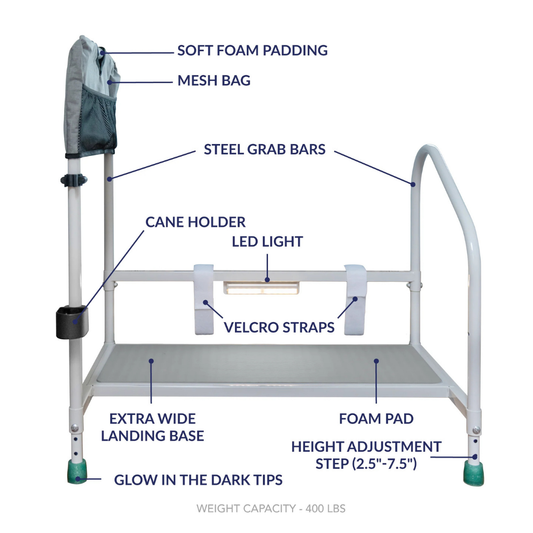
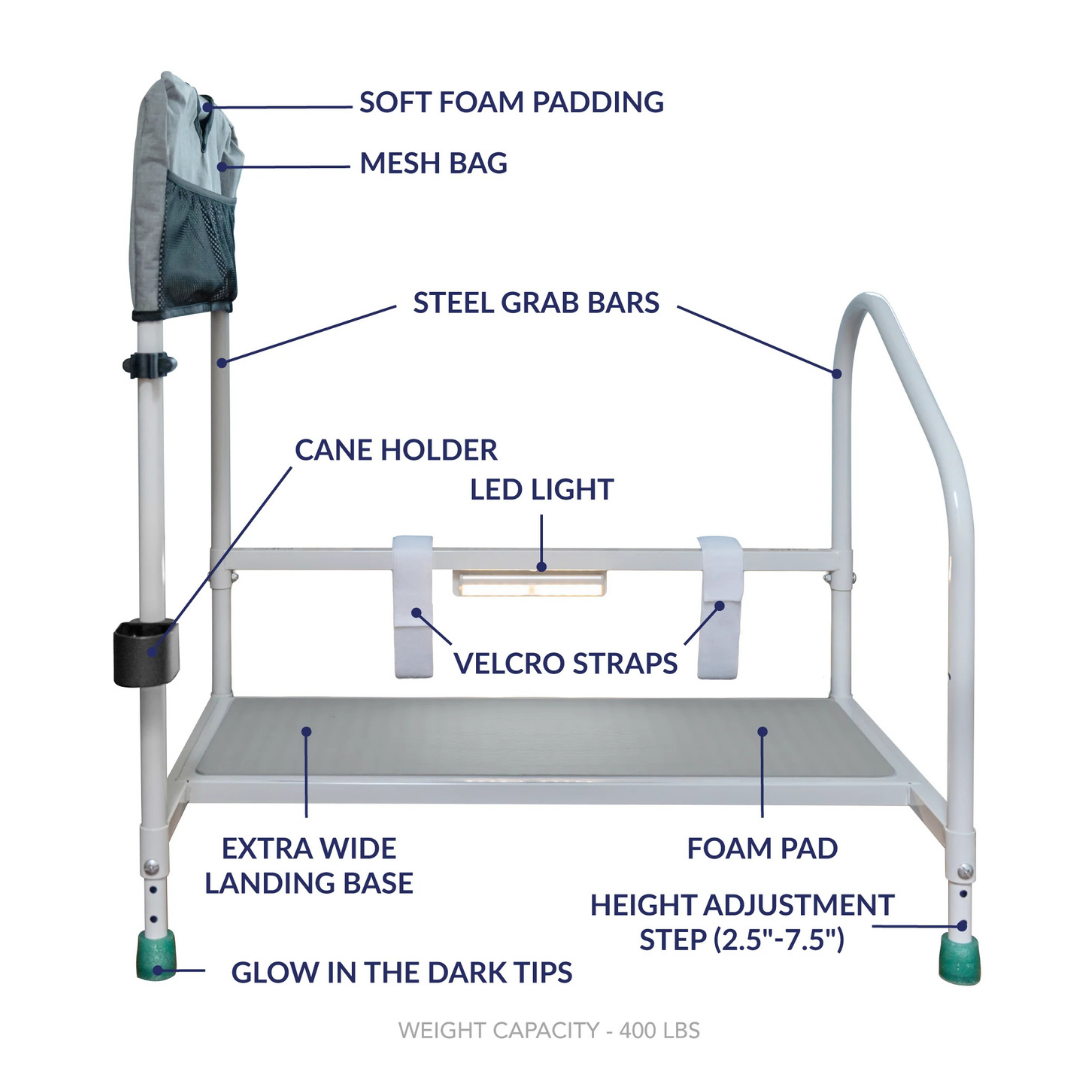
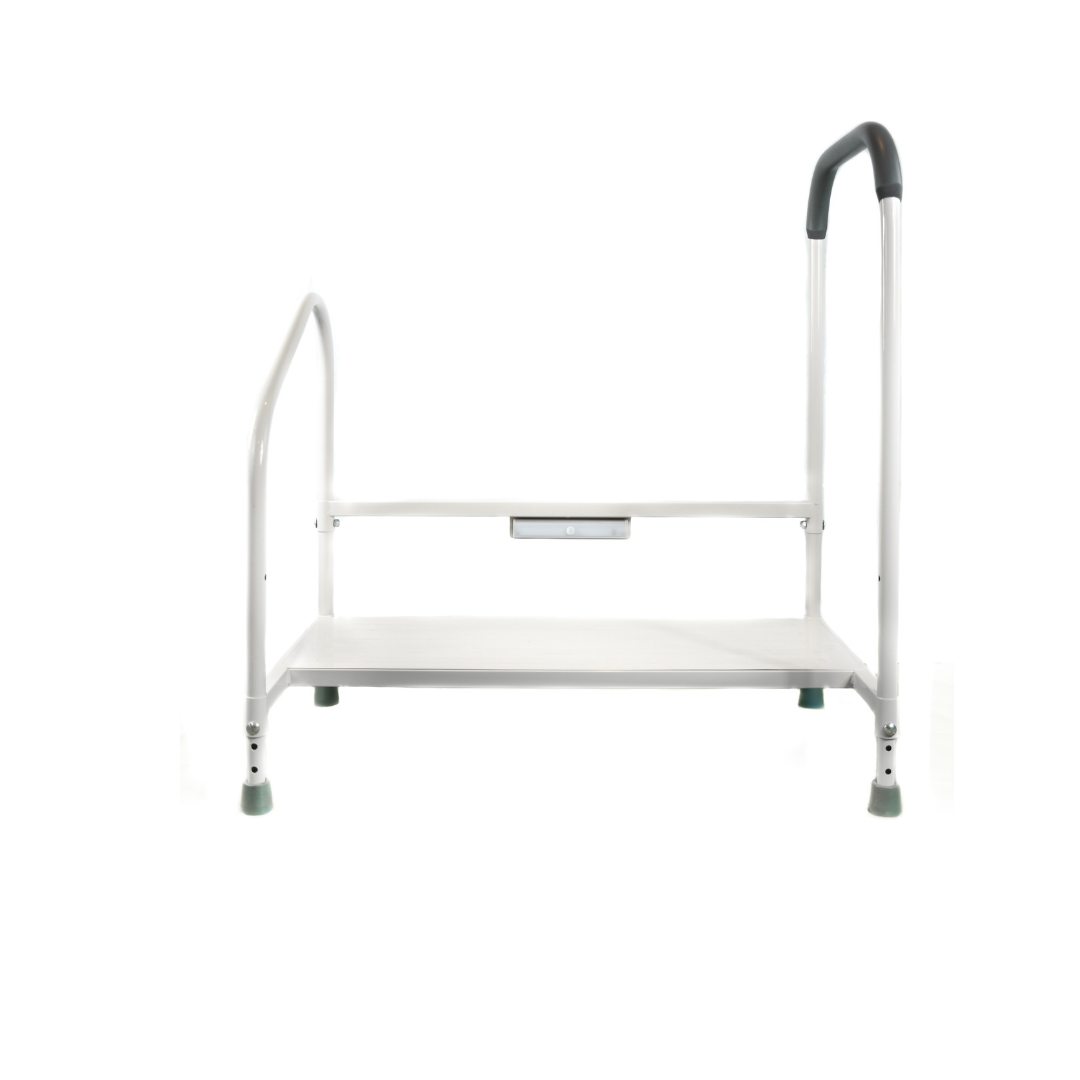


Creating a safe, accessible home is one of the most powerful steps you can take to support independent living for yourself or a loved one. Many accidents, particularly falls, are preventable with the right awareness and tools. This guide moves beyond basic advice, offering a detailed home safety assessment checklist designed to educate you on effective, practical solutions for long-term security.
We will walk you through eight critical checkpoints, evaluating everything from fall risks and bathroom accessibility to the proper fit of your mobility device. Our goal is to empower you with actionable knowledge. You’ll learn about quick fixes you can implement today and gain a deeper understanding of which durable medical equipment (DME), such as lift chairs or mobility scooters from trusted brands like Pride Mobility and Golden Technologies, can make a life-changing difference.
A truly secure home requires a review of all its core systems. Just as you might consult a home electrical inspection checklist to prevent electrical hazards, our list will guide you through the specific mobility and accessibility risks that can compromise independence. By the end, you'll have a clear, prioritized plan to transform your living space into a sanctuary of safety and comfort. Let's begin building that confidence, starting with a proactive assessment of your environment.
1. Fall Risk Assessment and Prevention
Kicking off any home safety assessment checklist must start with a dedicated evaluation of fall risks. Falls represent the leading cause of fatal and non-fatal injuries among adults aged 65 and older, according to the CDC, making this a high-priority starting point. A fall risk assessment is a methodical review of personal and environmental factors that contribute to instability, slips, and trips within the home. This isn't just about spotting a loose rug; it's a deep look at how a person interacts with their living space.
The process involves examining everything from physical abilities, like balance and strength, to environmental hazards such as poor lighting, clutter, and unsafe flooring. The goal is to identify specific dangers and implement targeted solutions before an accident occurs.
How to Conduct a Fall Risk Assessment
A proper assessment combines observation with action. Watch how the individual moves through their home, paying close attention to high-risk areas like stairs, bathrooms, and the kitchen.
- Flooring and Pathways: Are there throw rugs that can slide, or are rug corners curled up? Are pathways between rooms and furniture clear of electrical cords, pet toys, or stacks of mail? A clear floor is a safe floor.
- Lighting: Check for adequate lighting, especially in hallways, stairwells, and entryways. Are light switches easily accessible, even in the dark? Nightlights can be a simple but effective addition.
- Stairs and Transitions: Do stairs have sturdy handrails on both sides? Are the steps in good condition and free of clutter? Pay attention to transitions between different flooring types, like from carpet to tile, which can be a tripping hazard.
- Bathrooms: This is a critical area. Are there non-slip mats in the tub or shower? Are grab bars installed near the toilet and in the bathing area? Wet surfaces significantly increase fall risk.
Caregiver Note: Observe transfers, such as getting in and out of a bed, chair, or the toilet. Difficulty with these movements is a major red flag. An adjustable bed or a lift chair can provide crucial assistance and reduce the physical strain that often leads to falls.
Implementing changes based on your assessment is key. For example, after identifying balance issues during transitions, a person might switch from a simple cane to a more stable four-wheel rollator with a seat. If a near-slip occurs in the shower, installing strategically placed grab bars becomes a non-negotiable next step. For a complete guide on targeted solutions, you can learn more about how to prevent elderly falls here. Consulting an occupational therapist can also provide a professional, personalized prevention plan.
2. Bathroom Safety and Accessibility Evaluation
Following fall prevention, the next critical stop in any home safety assessment checklist is the bathroom. According to the AARP, approximately 80% of falls in the home happen in this room, driven by a combination of wet surfaces, hard materials, and the need to perform complex movements like stepping over a tub wall or sitting down. A bathroom safety and accessibility evaluation is a focused inspection designed to pinpoint and correct hazards for anyone, but it is especially vital for older adults, post-surgery patients, and those with mobility limitations.
This assessment goes beyond just wiping up spills; it involves a detailed review of the environment to support independence and prevent serious injury. The goal is to identify risks related to slipping, transferring, and navigating the space, then implement specific solutions to make the bathroom one of the safest rooms in the house, not the most dangerous.

How to Conduct a Bathroom Safety Assessment
A thorough bathroom check requires a critical eye for potential dangers and a practical approach to modifications. Systematically review each zone: the shower/tub, the toilet, and the general floor space.
- Shower and Tub Area: Are non-slip mats or adhesive strips firmly in place on the tub or shower floor? A bare, wet surface is a major hazard. Is there a sturdy shower chair or transfer bench for individuals who have difficulty standing for long periods?
- Grab Bars and Supports: Check for securely installed grab bars. Are they positioned correctly near the toilet and inside the bathing area to assist with sitting, standing, and stepping? Per ADA standards, mounting them at a height of 33-36 inches provides the best support.
- Toilet Accessibility: Is the toilet seat too low, requiring significant effort to sit and stand? A raised toilet seat or a toilet safety frame can make a profound difference for someone with weak legs or joint pain.
- Space and Navigation: Is there enough room to maneuver, especially for someone using a walker, rollator, or wheelchair? A minimum 5-foot turning radius is recommended for wheelchair users. Ensure no bathmats, scales, or laundry baskets are obstructing pathways.
Caregiver Note: Pay close attention to how your loved one gets into and out of the shower or tub. If they use towel racks or the soap dish for support, that's a clear signal that properly installed grab bars are needed immediately. A hand-held shower head can also improve safety by allowing a person to bathe while seated.
Implementing changes based on this assessment can be life-saving. For instance, after observing a loved one struggle to rise from the toilet, adding a raised seat with armrests provides instant stability. If balance is an issue, a walk-in tub or a transfer bench can eliminate the dangerous step over a high tub wall. To explore a full range of solutions, you can find a comprehensive selection of bathroom safety equipment designed to address these specific needs. Consulting with an occupational therapist is also an excellent step for a personalized plan.
3. Bedroom Safety and Bed Accessibility Assessment
The bedroom is a sanctuary, but for individuals with mobility challenges, post-surgery patients, or older adults, it can also present significant safety risks, particularly during the night. A bedroom safety and bed accessibility assessment is a critical part of any complete home safety assessment checklist. It evaluates everything from the bed itself to the surrounding environment to ensure safe transfers, prevent nighttime falls, and support restorative sleep. This focused review looks at bed height, mattress type, lighting, and clear pathways.
This assessment is crucial because so many falls and injuries occur during transfers to and from the bed, or on the way to the bathroom in low-light conditions. A proper evaluation identifies these specific hazards and points toward effective solutions, often involving durable medical equipment (DME) designed to enhance safety and independence.

How to Conduct a Bedroom and Bed Assessment
A thorough bedroom check involves measuring, observing, and planning. The goal is to create an environment that minimizes physical strain and reduces the risk of accidents, especially during nighttime hours when a person may be groggy.
- Bed Height and Transfers: Is the bed at a safe height? The ideal height allows the user to sit on the edge of the mattress with their feet flat on the floor, typically 18-24 inches high. A bed that is too high or too low makes getting in and out difficult and unsafe. Observe the transfer process.
- Pathways and Lighting: Is there a clear path, at least three feet wide, around the bed? This space is essential for walkers, rollators, or caregiver assistance. Check the route to the bathroom. Are motion-activated nightlights installed to illuminate this path automatically? Ensure a lamp or light switch is easily reachable from the bed.
- Mattress and Bed Type: For bedridden individuals, is the mattress designed to prevent pressure sores? Low-air-loss or alternating pressure mattresses are essential for skin integrity. For those with arthritis or respiratory issues, an adjustable bed that elevates the head and feet can make breathing easier and simplify transfers.
- Support and Stability: Are there assistive devices to help with mobility? Bed rails can prevent rolling out of bed and provide a stable handhold for repositioning. A nearby transfer pole can offer a secure anchor point for standing up.
Caregiver Note: For bedridden or highly dependent individuals, the right mattress is not a luxury; it is a medical necessity. After an assessment reveals a high risk for pressure ulcers, switching to a low-air-loss mattress can prevent painful and dangerous skin breakdown. Similarly, an adjustable bed can be a game-changer for a person with arthritis by allowing them to find a comfortable position and get out of bed with less pain and effort.
Implementing changes based on this assessment can dramatically improve safety. For instance, after noting struggles with sitting up, a family might invest in an adjustable base. If nighttime trips to the bathroom are a concern, installing motion-activated lights becomes an immediate, simple fix. To explore how different bed features can aid mobility, you can research the benefits of hospital beds versus standard adjustable beds. Consulting with a physical or occupational therapist can also provide a professional evaluation and personalized recommendations for durable medical equipment.
4. Mobility Device Functionality and Fit Assessment
A critical component of any home safety assessment checklist is a direct evaluation of the user's mobility aids. Simply having a walker, cane, or wheelchair is not enough; the device must be the right one for the individual's specific needs, physical abilities, and home environment. A mobility device assessment ensures that assistive equipment like walkers, rollators, and powerchairs are properly fitted, fully functional, and genuinely improve safety and independence rather than creating new hazards.
This process involves a detailed review of how an individual uses their current device or would interact with a proposed new one. It considers factors like grip strength, balance, cognitive function, and the physical layout of the home. The objective is to match the person with technology that enables them, preventing issues like device abandonment or accidents caused by improper use or poor fit.
How to Conduct a Mobility Device Assessment
A proper assessment is practical and hands-on. It involves measuring, observing, and testing the device in the actual spaces where it will be used.
- Proper Fit and Sizing: Is the device correctly sized? For a walker or rollator, the handgrips should be at wrist height when the user stands straight. For a wheelchair, the width and depth must support the user without being too tight or too loose.
- Functionality and User Ability: Can the user safely operate all features? For a rollator, this means testing their ability to reliably apply the hand brakes, which requires adequate grip strength and cognition. If they struggle, a different model may be needed.
- Environmental Compatibility: Does the device fit the home? Measure doorways to ensure they are at least 32 inches wide for standard wheelchairs and walkers. Test the device's turning radius in tight spaces like hallways and bathrooms. A three-wheel rollator, for instance, is more maneuverable than a four-wheel model but offers less stability.
- Weight Capacity: Always verify that the device's weight capacity significantly exceeds the user's weight. A bariatric patient using a standard-capacity walker is at high risk for equipment failure and injury.
Caregiver Note: Observe how the individual interacts with their device. Do they hunch over a walker that is too short? Do they struggle to navigate a tight corner? These are signs of a poor fit. For example, a user with limited grip strength may be safer with a rolling rollator with hand brakes than a standard walker they must lift with every step.
Making changes based on this assessment is vital. A post-stroke patient with lingering balance issues might be transitioned from a less-stable single-point cane to a four-wheel rollator for greater support. Similarly, an active powerchair user who travels frequently might need an evaluation to switch to an airline-approved model. For a deeper understanding of equipment options, you can research different wheelchair categories, such as transport chairs, standard wheelchairs, and powerchairs, to see which best fits the user's lifestyle and needs. A physical or occupational therapist can offer expert guidance in selecting the perfect mobility aid.
5. Stair Navigation and Vertical Mobility Assessment
For homes with more than one level, evaluating how an individual navigates stairs is a crucial part of any home safety assessment checklist. Stairs are a high-risk area for falls and injuries, especially for older adults or those with limited strength, endurance, or balance. This assessment determines whether stairs can be managed safely, require assistive devices, or if alternative solutions like a stairlift are necessary to maintain access to all parts of the home.

The purpose of this check is to prevent a serious accident before it happens. It involves a practical evaluation of the user's ability against the physical layout of the stairs, guiding decisions that can range from simple modifications to significant home adaptations, such as installing a stairlift or even relocating a bedroom to the first floor.
How to Conduct a Stair Navigation Assessment
Observing the person using the stairs is the most direct way to assess their safety. Pay attention to their stability, breathing, and whether they need to stop and rest. Document any hesitation, unsteadiness, or reliance on the wall for support.
- Physical Ability: Can the individual lift their feet high enough to clear each step without tripping? Do they have the strength and balance to ascend and descend without becoming overly fatigued or dizzy?
- Handrails and Support: Are sturdy handrails present on at least one side, ideally both? A proper handrail should be graspable and installed at a height of 34-38 inches from the stair nosing. When assessing stair navigation and fall risks, it's essential to understand the specific height of stair handrail regulations for your region.
- Stair Condition and Lighting: Check that the steps are in good repair, free of clutter, and have a non-slip surface. Adding non-slip stair treads can dramatically improve footing. Is the staircase well-lit from top to bottom, with switches that are easy to access?
- Alternative Solutions: If stairs are deemed unsafe, consider alternatives. A straight stairlift can cost between $3,000 and $5,000, while models for curved staircases are more expensive. Ramps are another option for outdoor steps, but require a 1:12 slope ratio, meaning one foot of ramp for every inch of vertical rise.
Caregiver Note: If the assessment reveals that climbing stairs is dangerous, don't delay in finding a solution. An elderly homeowner with arthritis might install sturdy handrails and improve lighting as a first step. However, if endurance is a major issue, installing a stairlift can provide a safe, long-term solution to maintain independence within a multi-story home.
6. Pressure Relief and Wound Prevention Assessment
A critical component of any thorough home safety assessment checklist is the evaluation of pressure injury risk. For individuals with limited mobility, those who are bed-bound, or people with specific medical conditions, this is a non-negotiable step. Pressure injuries, also known as pressure ulcers or bedsores, can develop in a matter of hours and lead to serious, life-threatening infections, making prevention absolutely essential. This assessment examines skin integrity, mobility levels, nutrition, and the support surfaces used for sitting and sleeping.
The core goal is to identify risk factors before the skin breaks down. It involves a systematic check of both personal factors and the equipment being used, ensuring that pressure is adequately distributed and relieved from vulnerable body parts like the heels, hips, and lower back.
How to Conduct a Pressure Relief and Wound Prevention Assessment
A proper assessment combines daily skin inspection with an evaluation of support surfaces and personal health factors. This should be an ongoing process, not a one-time check.
- Daily Skin Checks: Inspect the skin every day, paying close attention to bony prominences such as the heels, elbows, tailbone (sacrum), and hip bones. Look for redness that doesn't fade after pressure is removed, warmth, or changes in skin texture.
- Mobility and Repositioning: Evaluate how much the individual can move independently. For those in bed, a repositioning schedule of at least every two hours is standard for non-motorized beds. Check the manufacturer's guidelines for advanced therapeutic mattresses.
- Support Surfaces: Is the mattress or cushion appropriate for the user's risk level? A standard foam mattress may be insufficient. Specialized surfaces like alternating-pressure or low-air-loss mattresses are designed specifically to prevent and treat pressure injuries.
- Nutrition and Hydration: Poor nutrition, especially a lack of protein, and dehydration can severely compromise skin health and its ability to heal. This assessment should include a review of the individual's diet and fluid intake, often in collaboration with their healthcare provider.
Caregiver Note: For wheelchair users, the cushion is not an optional accessory; it is a clinical necessity. A high-quality pressure-relieving cushion is essential for anyone who spends significant time in a wheelchair to prevent dangerous sores on the buttocks and tailbone.
Implementing the right support surface is a direct result of this assessment. For instance, if early-stage skin redness is detected on a patient with limited mobility, upgrading from a standard mattress to an alternating-pressure mattress becomes a priority. For bariatric individuals, ensuring the therapeutic mattress is rated for their specific weight is crucial for effective pressure management. If you need guidance, researching the difference between foam, gel, alternating pressure, and low-air-loss surfaces can help you make an informed choice. Consulting with a Wound Care Nurse or an occupational therapist can provide a professional, personalized plan for wound prevention.
7. Caregiver Support and Assistance Assessment
A complete home safety assessment checklist must extend beyond the individual to include those providing care. The safety and well-being of a caregiver are directly linked to the quality of care and safety of the person they support. A caregiver support and assistance assessment evaluates the physical, mental, and emotional demands placed on caregivers and identifies the need for tools and strategies to reduce injury risk and prevent burnout. This is a critical checkpoint that acknowledges the symbiotic relationship in a caregiving dynamic.
This evaluation examines the daily tasks of caregiving, such as transferring, bathing, and repositioning, to pinpoint high-risk activities. The goal is to introduce solutions, particularly durable medical equipment (DME), that protect both the caregiver and the care recipient from injury. As organizations like OSHA and the American Physical Therapy Association highlight, proper patient handling techniques and equipment are not optional; they are fundamental to safe care.
How to Conduct a Caregiver Support Assessment
A proper assessment involves a frank evaluation of the caregiver’s capabilities and the physical requirements of the care recipient. It balances the need for assistance with the tools available to provide it safely.
- Transfer and Mobility Demands: How is the person moved from bed to chair, or into a vehicle? Are these transfers causing back strain or near-falls for the caregiver? A simple gait belt can provide a secure grip, but more demanding situations may require a patient lift.
- Caregiver’s Physical Condition: Consider the caregiver’s own health. Do they have a history of back problems, arthritis, or other conditions that could be worsened by lifting and repositioning tasks? The equipment must match their physical capacity.
- Daily Routine Strain: Look at repetitive tasks like helping someone sit up in bed or get to the bathroom. These small but frequent efforts accumulate, leading to chronic strain and fatigue.
- Training and Knowledge: Does the caregiver know proper body mechanics for lifting? Are they trained to use assistive devices correctly? An adult child, for instance, may benefit from professional training on using a transfer board to prevent mutual injury.
Caregiver Note: Do not wait for an injury to happen. If you feel physical strain, or have a “close call” while helping your loved one, it’s a clear signal that your current method is unsafe. A mechanical lift, such as a portable Hoyer lift, can eliminate manual lifting and is a necessary investment in long-term safety for both of you.
Implementing changes based on this assessment is vital. For example, if a caregiver reports back pain after helping a loved one from a low toilet, a raised toilet seat or a bedside commode can immediately reduce the need to bend and lift. Assessing the need for respite care is also part of this process, as preventing caregiver burnout is essential for sustained, safe home care.
8. Home Entry and Exit Accessibility Assessment
A person’s ability to safely enter and leave their home is fundamental to their independence and quality of life. This part of the home safety assessment checklist focuses on a thorough evaluation of all external access points, including the main entrance, secondary exits, and garage entry. The goal is to identify and remove barriers for individuals, especially those who use mobility devices like wheelchairs, scooters, or walkers.
This assessment examines every component of entry and exit, from the height of a single step to the width of a doorway. It ensures that pathways are not only accessible but also safe, allowing for routine comings and goings as well as quick evacuation in an emergency. For anyone with mobility challenges, a safe and accessible entryway is the bridge between their home and the outside world.
How to Conduct an Entry and Exit Accessibility Assessment
A proper assessment of home entryways requires a detailed, measurement-focused approach. It’s about applying established accessibility standards to a specific living environment to create practical, safe solutions.
- Steps, Ramps, and Landings: Are there steps leading to any entrance? Even a single step can be an insurmountable barrier for a wheelchair user. Measure the total rise to determine the necessary ramp length, following the ADA-recommended 1:12 slope ratio (every one inch of height requires 12 inches of ramp length). A 3-inch step, for example, needs at least a 36-inch (3-foot) ramp. Ensure there is a flat, level landing of at least 48 inches at the top of the ramp before the door.
- Doorways and Thresholds: Measure the clear width of all entry doors. A minimum of 32 inches is required for walkers and most wheelchairs, but 36 inches is preferred. Check the threshold height; it should be no more than ¼ inch high. Anything taller can stop a mobility device in its tracks and create a serious tripping hazard.
- Pathways and Lighting: Are the outdoor pathways leading to the doors smooth, wide, and clear of debris like leaves, snow, or gravel? Install bright, motion-activated lighting at all entry points to improve visibility and security, especially after dark.
- Handrails and Surfaces: Any ramp rising more than 6 inches must have sturdy handrails on both sides. The ramp surface itself must be non-slip to provide secure traction in all weather conditions.
Caregiver Note: For individuals with limited upper body strength or who need to keep both hands on their mobility device, opening a heavy door can be a significant challenge. Consider installing an automatic door opener to provide true, hands-free independence.
Implementing these changes can make a world of difference. For instance, a veteran who uses a scooter can regain their freedom with a portable aluminum ramp, a flexible solution for homes where permanent modifications aren't possible. Similarly, installing beveled-edge threshold ramps can eliminate a daily struggle for an older adult using a walker. For a complete look at different access solutions, you can explore a wide selection of residential ramps here. Consulting with a certified accessibility specialist can also ensure all modifications meet safety codes and individual needs.
8-Area Home Safety Assessment Comparison
| Item | Implementation Complexity 🔄 | Resource Requirements ⚡ | Expected Outcomes 📊 | Ideal Use Cases ⭐ | Key Advantages ⭐ | Quick Tip 💡 |
|---|---|---|---|---|---|---|
| Fall Risk Assessment and Prevention | Moderate — home walkthrough, possible OT input | Low–Moderate — time, basic DME; some mod costs | Significant fall reduction; targeted DME selection | Older adults, recent fallers, mobility-limited homes | Prevents injuries; guides DME; cost-saving long-term | Fix lighting and trip hazards before buying equipment |
| Bathroom Safety and Accessibility Evaluation | Moderate–High — may require renovations or pro install | Moderate — grab bars low cost; remodels costly | High impact — reduces majority of home falls | Post-surgery, elderly, homes with slippery tubs/showers | Targets highest-risk area; affordable high-impact fixes | Install grab bars at 33–36" and use non‑slip mats |
| Bedroom Safety and Bed Accessibility Assessment | Moderate — repositioning, bed/mattress changes, wiring | Moderate–High — adjustable beds & therapeutic mattresses | Fewer night-time falls; better transfers and sleep quality | Bedbound, post-op patients, nocturnal fallers | Improves transfers; reduces pressure risks; enhances comfort | Aim for 18–24" bed height and clear a 3‑ft pathway |
| Mobility Device Functionality and Fit Assessment | Moderate — measurements and trial fittings | Low–High — from canes to powerchairs (varies widely) | Higher device adoption; reduced abandonment and falls | New device buyers, users with changing strength/balance | Ensures safety and usability; tailored device matching | Verify weight capacity + test turning radius in-home |
| Stair Navigation and Vertical Mobility Assessment | High — may require structural mods or lift installation | High — stairlifts/ramps costly; handrails low-cost | Restores or restricts upper‑floor access; prevents stair injuries | Multi‑story homes, limited stair endurance, wheelchair users | Enables aging in place; multiple solution paths (lift/ramp) | Use 1:12 ramp slope; compare straight vs curved lift costs |
| Pressure Relief and Wound Prevention Assessment | Moderate — clinical assessment + equipment setup | High — therapeutic mattresses and ongoing maintenance | Prevents pressure injuries and related hospitalizations | Bed‑bound, high Braden score, spinal cord injury | Evidence‑based prevention; improves comfort and outcomes | Reposition every 2 hrs; choose alternating for active ulcers |
| Caregiver Support and Assistance Assessment | Moderate — training plus equipment/site prep | Moderate–High — lifts, space, and training costs | Reduces caregiver injuries; improves care consistency | Family caregivers, frequent transfers, long‑term care | Protects caregivers; enables safer transfers and longer home care | Pair mechanical aids with body‑mechanics training |
| Home Entry and Exit Accessibility Assessment | Moderate–High — ramps/door mods may be required | Moderate–High — permanent ramps costly; portable options available | Improves independent access and emergency egress | Wheelchair/scooter users, homes with steps or thresholds | Enables independence; can boost home value (universal design) | Ensure 32–36" clear doorways and 1:12 ramp slope, non‑slip surface |
From Assessment to Action: Implementing Your Home Safety Plan
You have just taken a significant and empowering step by completing this detailed home safety assessment checklist. Armed with a room-by-room understanding of potential hazards, you are no longer just reacting to problems. Instead, you are proactively shaping an environment that supports independence, mobility, and peace of mind. This shift from passive concern to active prevention is the cornerstone of aging in place successfully and maintaining quality of life.
The true value of this assessment lies not in the identified risks, but in the actionable plan you create from your findings. The checklist you have worked through is more than a simple list; it is a personalized roadmap. It highlights where small changes can make a big impact and where more substantial investments in durable medical equipment (DME) are necessary to ensure long-term safety and comfort.
Prioritizing Your Next Steps
Feeling overwhelmed by the list of potential improvements is normal. The key is to prioritize effectively, focusing on the areas that pose the most immediate or severe risk.
- Tackle High-Risk Zones First: For most individuals, the bathroom and any stairs or level changes present the greatest fall risks. Address these areas first. Implementing quick fixes like adding non-slip mats in the tub, installing toilet safety frames, and ensuring clear, well-lit stairways can dramatically reduce the likelihood of an accident.
- Implement Low-Cost, High-Impact Solutions: Many of the most effective safety improvements are surprisingly affordable. Start by clearing clutter from all walkways, securing loose rugs with double-sided tape, improving lighting in hallways and entryways, and organizing essential items to be within easy reach. These actions cost little to nothing but provide an immediate boost in home safety.
- Develop a Long-Term Strategy: For more complex challenges, such as navigating stairs with significant mobility loss or preventing pressure sores, a more strategic approach is needed. Your assessment findings will guide your research for solutions like stair lifts, hospital beds with pressure-relief mattresses, or patient lifts.
Key Insight: A safe home is not created overnight. It is an ongoing process of assessment, adjustment, and adaptation. Your needs may change over time, so plan to revisit your home safety assessment checklist every six to twelve months, or whenever there is a notable change in health, mobility, or living situation.
Matching Solutions to Your Specific Needs
The detailed nature of your assessment provides the specific data needed to select the right equipment. Rather than guessing which rollator offers the right support or what kind of lift chair is best, you now have concrete information. You know the width of your doorways, the height of your bed, and the specific mobility challenges you or your loved one faces.
This is where understanding the products becomes crucial. When you look for a mobility aid, your assessment tells you whether you need a device primarily for indoor stability (a standard walker) or for outdoor community access (a heavy-duty mobility scooter). When considering a hospital bed, your notes on pressure-sore risk and caregiver needs will point you toward the appropriate mattress type and bed functions.
By grounding your decisions in the real-world data from your checklist, you avoid costly purchasing mistakes and ensure that every piece of equipment you bring into the home genuinely contributes to a safer, more independent life. You are not just buying a product; you are investing in a tailored solution that directly addresses a specific, identified need. This thoughtful approach transforms your home from a collection of potential obstacles into a sanctuary of support.
Ready to turn your assessment into a reality? The experts at DME Superstore can help you find the perfect equipment to match your specific needs. From high-capacity lift chairs to advanced pressure-relief mattresses, we provide the reliable, high-quality solutions that make home a safer place. Explore our curated collections and educational resources at DME Superstore to take the next step with confidence.

