

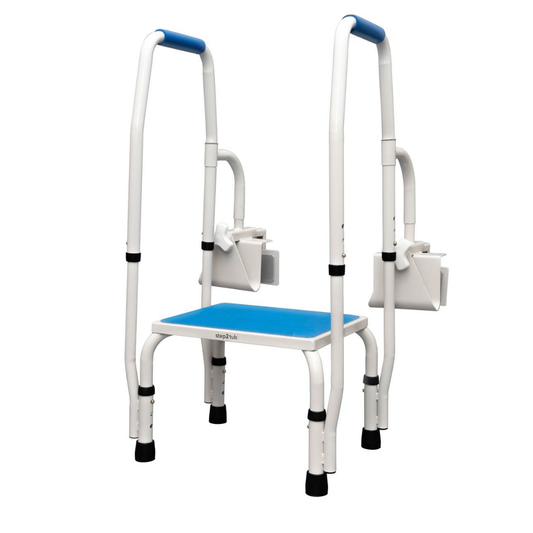
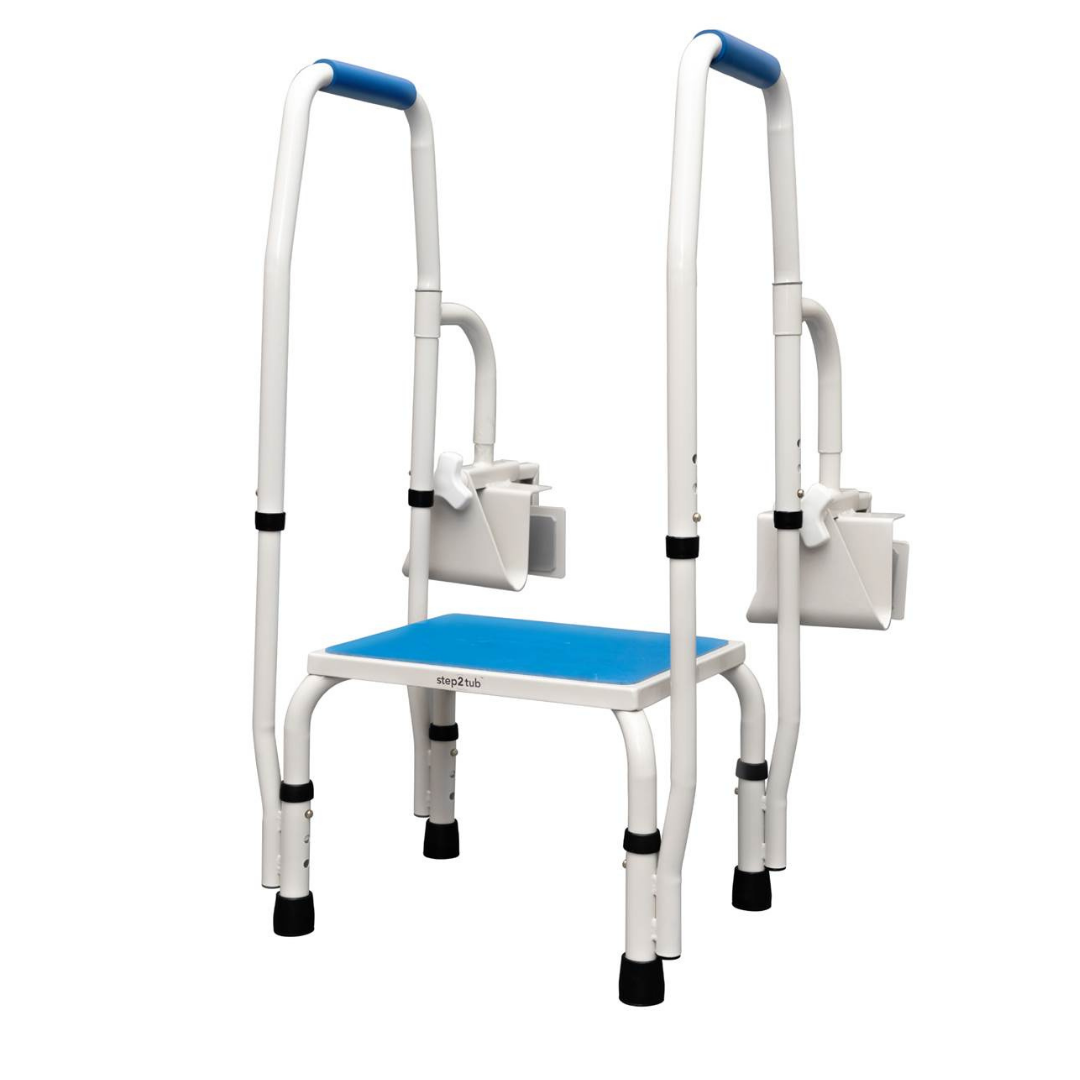
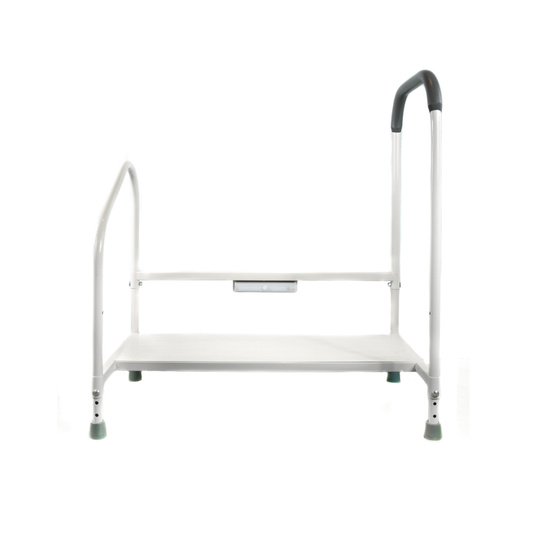
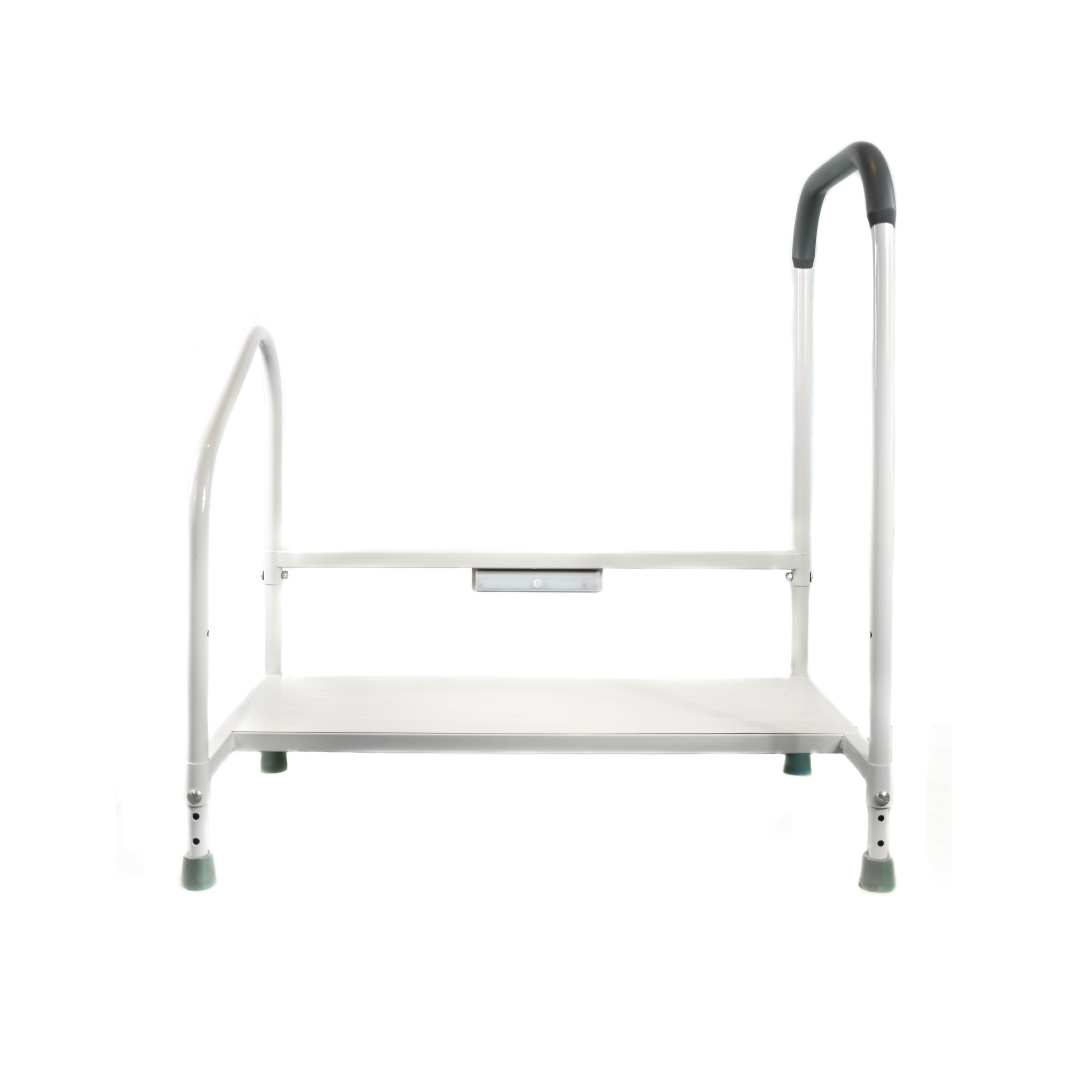


Using a shower chair is refreshingly simple. You just place it securely on a non-slip surface in your tub or shower, adjust the legs until your feet sit flat on the floor, and use the armrests or nearby grab bars to sit down safely.
But this simple piece of equipment does something profound—it restores confidence and dramatically cuts the risk of falls where they happen most often.
Your Guide to Safer Showers and Renewed Independence
Showering should be a relaxing part of your day, not a source of worry. If you or a loved one feels unsteady on their feet, a shower chair is more than just a piece of plastic and metal; it’s a key to holding onto independence. Think of this guide as your action plan for a safer bathroom, starting right now.
The need for these aids is far more widespread than people think. In a study of 10.6 million people who needed bathing equipment, a shocking 26% had no equipment at all, leaving them completely vulnerable. Another 33% only had grab bars, while just 40% used a combination of aids. Properly using a shower chair is one of the most effective ways to avoid becoming one of those statistics.

Creating a Secure Bathroom Environment
A shower chair is the star player, but it performs best as part of a team. Its effectiveness skyrockets when you create a safe environment around it. Think non-slip mats, reachable shower heads, and clutter-free floors.
For a deeper dive into creating a fully secure space, great resources like SouthRay's guide to accessible bathrooms offer a ton of practical tips.
Quality products from DME Superstore are designed with stability and user confidence in mind, transforming the shower from a challenge into a comfortable experience.
Combining a reliable shower chair with other tools builds a complete safety net. This holistic approach, known as environmental modification, is a cornerstone of fall prevention and at-home care.
Choosing the Right Shower Chair for Your Needs
Walking into the bathroom shouldn't feel like a risk, but for many, the simple act of showering can be a major source of anxiety. Choosing the right shower chair isn't just about comfort—it's about reclaiming independence and making your home a safer place.
But where do you start? The best choice hinges on two things: your personal mobility and the layout of your bathroom. What works for a small, stand-up shower stall is completely different from what you'd need for a traditional bathtub. Let's break down the options.
A standard shower chair is the simplest solution. Think of it as a waterproof, four-legged stool that sits entirely inside your shower or tub. These are great for people who can still step over the tub wall or into the shower stall but need a stable place to sit to avoid fatigue or slipping. They're compact, lightweight, and usually the most affordable choice.
Comparing Chair Types and Features
Your bathroom's specific design will point you toward the right model. A tiny shower stall might only have room for a basic stool, but a larger tub-shower combo opens up a world of possibilities.
- Transfer Benches These are longer benches designed to bridge the tub wall, with two legs inside the tub and two outside. They are a game-changer for anyone who can't safely step over the tub wall. You simply sit on the outer portion of the bench and slide yourself across into the shower stream. This technique dramatically cuts down the risk of falling during what is often the most dangerous part of bathing.
- Rolling Shower Commodes For those with significant mobility challenges or who also need toileting assistance in the bathroom, these wheeled chairs offer the highest level of support. You can roll them directly into a barrier-free or "roll-in" shower. Many come with features like commode openings, padded seats, and footrests for added comfort and functionality. Just remember, the wheels must be locked before you even think about transferring on or off the chair.

Key Considerations for All Chairs
Once you've narrowed down the type, it's time to look at the details that boost safety and comfort. Adjustable height is absolutely essential. You need to be able to set the chair so your feet rest flat on the floor with your knees at about a 90-degree angle for maximum stability.
Don't underestimate the difference a padded seat or supportive armrests can make, especially if you're recovering from surgery or will be seated for a while. We've also seen how specialized materials can make a big difference, which is why we put together an in-depth look at the benefits of PVC shower chairs.
Weight capacity is one feature you can't compromise on. For bariatric users or anyone needing extra stability, it's critical to choose a heavy-duty model. Look for chairs that can safely support up to 400 lbs or more to ensure rock-solid security.
Setting Up Your Chair for Maximum Stability
A shower chair is only as safe as its setup, and getting this part right from the start is non-negotiable for your peace of mind. Before the chair even touches your shower floor, you need to dial in the height.
The goal here is simple: when you're seated, your feet should be completely flat on the floor with your knees bent at about a 90-degree angle. This creates a solid, stable base. It's the perfect position for pushing off to stand up safely and for lowering yourself down with total control. Adjust each leg individually, listening for that reassuring "click" as the locking pins pop securely into place.
Finding the Sweet Spot in Your Shower
Once the height is perfect, it’s time to find the right spot inside the shower. A common mistake is pushing it right up against the shower curtain, which can cause water to pool and create a slick hazard right where you need to step.
Instead, position the chair a few inches away from the curtain or liner. This keeps the floor clear while still ensuring you can easily reach the water controls and a handheld showerhead. For the best grip on wet tile, look for a model with sturdy, rubber-tipped feet. If you're using a rolling shower chair, always lock the wheels firmly in place before you even think about sitting down or standing up. You can learn more about the growing importance of these features from recent market insights on portable shower chairs.
Before every single use, give the chair a little shake. Does it wobble? Does it slide? This two-second test is your final confirmation that all the legs are even and your chair is a reliable anchor for your shower.
For the ultimate safety net, think about how your chair works in tandem with other bathroom aids. Our guide on installing a bathroom grab bar is a great next step to creating a complete support system you can truly count on.
Mastering the Safe Transfer Technique
Let's be honest—the trickiest part of using a shower chair isn't the showering itself. It's the moments you're getting on and off. This is where the risk of a slip or fall is highest, so mastering a safe transfer is the key to a stress-free shower. It's all about moving deliberately and with control.
First, back up to the chair slowly. Don't guess where it is. Keep going until you physically feel the edge of the seat against the back of your legs. This simple touchpoint confirms you're in the perfect spot to sit.
With the chair behind you, reach back with both hands and find a firm grip on the armrests. If your chair is armless, place your hands securely on the sides of the seat. Now, use your arms to support and guide your body down slowly. The most common mistake people make is plopping down, which can jolt the chair and cause a dangerous shift. Control the descent all the way down.
A Quick Tip for Caregivers
If you're assisting a loved one, your technique is just as important for protecting both of you from injury. A natural instinct is to pull or lift from the waist, but this can cause serious back strain for you and be unstable for them.
Instead, gently hold their elbow to guide them into position. This simple change provides stability and support without putting you in an awkward, injury-prone posture. Some data from industry reports on safe patient handling confirms that proper technique is everything.
The goal is to always center yourself securely on the seat before starting your shower. Scoot back until your weight is evenly distributed and you feel stable and comfortable.
For an extra layer of security, a gait or transfer belt can be a game-changer. These belts give you a secure handhold and make transfers much safer. For a complete walkthrough, check out our guide on how to use a transfer belt.
Of course, a safe transfer starts with a secure chair. This infographic is a great reminder of the setup steps that come first.

As you can see, a stable setup—from the right leg height to proper placement in the shower—is the foundation for every safe transfer you make.
Keeping Your Shower Chair Clean and Safe
Think of your shower chair as more than just a piece of equipment—it's a critical safety tool that needs a little upkeep to do its job right for years to come. Proper maintenance isn't just about keeping things clean; it’s about making sure that chair is absolutely stable and secure every single time you use it.
A quick rinse after each shower is a great habit, as it washes away soap residue before it can build up. Once a week, take a few minutes to wipe it down with a standard bathroom cleaner that's safe for plastic and aluminum. Steer clear of abrasive scouring powders or harsh chemicals like bleach, which can actually damage the chair's finish and wear down the anti-slip surfaces.

Monthly Safety Inspection Checklist
Beyond the weekly wipe-down, a quick monthly safety check is your best defense against wear and tear. This only takes a few minutes but makes a world of difference in the chair’s long-term safety and performance.
- Check All Fasteners: Give the legs, backrest, and any armrests a firm wiggle. If you feel any give, grab a screwdriver and tighten things up. A loose screw is often the first sign of trouble.
- Inspect Rubber Feet: Those rubber tips are the only thing connecting your chair to the slick shower floor. Check them for cracks, hardening, or excessive wear. If they look worn down, they've lost their grip and it’s time to replace them.
- Test Adjustment Pins: If your chair has adjustable legs, push down firmly on the seat. You want to be certain every single locking pin is fully engaged and can support weight without slipping or shifting.
Regular maintenance, such as performing a monthly check for loose screws, is proven to ensure the longevity and structural integrity of mobility aids. This preventative step is a core part of safe, long-term use. Discover more insights about the portable shower chair market on fortunebusinessinsights.com.
For more specific cleaning challenges, like dealing with tough odors that can sometimes build up on medical equipment, we've put together a dedicated guide on how to get rid of urine smell.
Common Questions About Shower Chair Use
Even after you've picked out the perfect shower chair, it’s completely normal to have a few questions as you get started. We hear from users and caregivers all the time, so we've gathered answers to the most common queries to help you feel confident right from the start.
Can I Just Use a Plastic Lawn Chair in the Shower?
This question comes up a lot, and the answer is an emphatic no. Using a regular chair, like a plastic patio or lawn chair, in a wet, slippery shower is a major safety hazard.
Those chairs lack the non-slip rubber feet that are essential for keeping you stable. They’re prone to tipping and sliding on wet surfaces. Plus, they aren't designed for constant moisture, which can lead to dangerous mold growth or rust that compromises the chair's integrity. A dedicated shower chair is built with materials like medical-grade grips and drainage holes specifically for a wet environment.
How Do I Know I Have the Right Height?
Getting the height adjustment just right is another common point of confusion, but it's crucial for safety. It's actually pretty simple.
You'll want to adjust the chair’s legs so that when you're seated, your feet rest flat on the floor. Your knees should be at a comfortable 90-degree angle, with your thighs roughly parallel to the ground. This position creates a solid, stable base and makes sitting down and standing up much easier and safer.
Always double-check that all the legs are set to the same height and that the locking pins are fully clicked into place before you use it.
Shower Chair vs. Transfer Bench: What's the Difference?
Finally, people often ask about the difference between a standard shower chair and a transfer bench. Understanding this is key to getting the right tool for the job.
- Shower Chair: This is a simple, standalone chair that fits entirely inside the shower or tub. It's the perfect choice for users who can still step over the tub wall safely but need a secure place to sit while bathing.
- Transfer Bench: This is a longer bench with two legs positioned inside the tub and two outside. It’s specifically designed for people who cannot safely step over the tub wall. It lets you sit on the edge of the bench outside the tub and then slide over, eliminating the single biggest fall risk in the bathroom.
A shower chair offers stability for those who can already get into the tub. A transfer bench, on the other hand, creates a bridge over the tub wall, making it an essential aid for users with more significant mobility limitations.
At DME Superstore, we're committed to helping you find the perfect bathroom safety solutions to maintain your independence and peace of mind. Explore our full range of expertly curated shower chairs and bathroom aids by visiting https://dmesuperstore.com today.

