



A lot of families start shopping for a toilet only after a problem becomes urgent. A parent has knee pain. A spouse is unsteady when standing up. Someone comes home after surgery and the bathroom suddenly feels harder to use than the rest of the house.
That’s why a 1.6 gpf toilet deserves a closer look. It isn’t just a plumbing fixture. It’s part of how a person sits, stands, cleans up, and keeps their balance every day. For older adults and people with mobility limits, the right toilet can support independence. The wrong one can lead to strain, repeated clogs, and stressful transfers.
Choosing a Toilet Is About More Than Plumbing
If you’re helping a loved one age in place, you’re probably not asking only, “Will this fit the bathroom?” You’re also asking harder questions.
Will it be easy to stand up from? Will it flush well enough that someone with limited strength doesn’t have to flush twice? Will it work safely with grab bars, a walker, or a raised seat?
Those are the right questions.
A toilet affects several parts of daily life at once:
- Safety during transfers. Sitting down and standing up can be one of the riskiest moments in the bathroom.
- Comfort and dignity. A bowl that’s too low or too cramped can make toileting tiring and embarrassing.
- Caregiver workload. A toilet that clogs often or doesn’t clear the bowl well creates more cleanup and more stress.
- Bathroom layout. The toilet has to work with support equipment, including wall-mounted bars and floor space for turning.
Many people focus first on style or water use. Those matter, but they shouldn’t come before real-world usability. In an accessible bathroom, the toilet has to function as part of a larger support system. That can include flooring, transfer space, and properly placed supports such as a bathroom grab bar.
Practical rule: If a toilet is hard to approach, hard to sit on, or hard to rise from, its flush technology won’t make up for that.
A caregiver usually sees the full picture faster than anyone else. You notice whether your loved one leans on the sink, struggles to lower down slowly, or hesitates because they’re afraid of falling. Those signs often point to toilet height, bowl shape, and support placement, not just medical decline.
Understanding GPF and the 1.6 Gallon Standard
GPF means gallons per flush. It tells you how much water a toilet uses each time someone flushes.
A simple way to think about it is a bucket. An older toilet dumped a much larger bucket of water into the bowl and drainline. A 1.6 gpf toilet uses a smaller bucket, but it has to send that water in a smarter, more controlled way.

Why 1.6 gpf became the benchmark
The big national change came with the Energy Policy Act of 1992, which required all new toilets sold in the United States to use no more than 1.6 gallons per flush starting in 1994. That was a sharp drop from the prior average of 3.5 gpf, and older toilets could use as much as 7 gpf according to the NKBA history of toilet water usage.
That change mattered because toilets use a large share of indoor household water. The same NKBA source notes that without the shift away from 3.5 gpf models, the United States would use an additional 437 billion gallons of water per year.
For families, the policy can feel abstract until you connect it to everyday life. A family replacing older models can save water every year while still getting the basic function they need. The challenge is that early low-flow toilets didn’t always earn trust.
Why people still get confused about 1.6 gpf
Many caregivers remember the first generation of low-flow toilets. Some of those older models had a weak reputation. People heard stories about double flushing, clogs, and poor bowl clearing, and those stories stuck.
That history explains a common misunderstanding. People often assume “lower water” means “weaker flush.” That’s not always true.
Modern toilets don’t rely only on volume. They rely on how the water moves.
Here’s the distinction that helps:
- Old thinking meant using more water to force waste through.
- Modern design uses bowl shape, trapway finish, jet action, and flush mechanism to move waste more effectively.
- Caregiver takeaway. Don’t judge a toilet only by its GPF number.
A 1.6 gpf toilet isn’t simply a “low-water toilet.” It’s a product category shaped by both water conservation rules and decades of redesign.
What 1.6 gpf means in practical terms
When you shop, treat 1.6 gpf as a starting point, not the whole answer.
Look at it this way:
- GPF tells you water volume.
- Flush system tells you how that water is used.
- Accessibility features tell you whether the toilet is safe to live with.
That’s why a family caregiver shouldn’t stop at the label. The number matters, but the toilet’s performance and physical design matter just as much.
How Modern 1.6 GPF Toilets Ensure a Powerful Flush
A common fear is simple. They don’t want a toilet that saves water but creates more work.
That concern is valid, especially in a home where someone has limited mobility. If a toilet doesn’t clear waste reliably, the user may need to flush again, reach awkwardly, or ask for help. None of that supports independence.

Two ways a 1.6 gpf toilet creates flush power
Modern models usually rely on one of two approaches. Both can work well, but they feel different in use.
Gravity-fed systems
A gravity toilet uses water stored in the tank and releases it quickly into the bowl. That may sound basic, but modern gravity systems are much better engineered than the early low-flow models many people remember.
Some 1.6 gpf toilets use a fully glazed 2-1/8-inch trapway and powerful siphon jet action to help waste move through the toilet more smoothly. The American Standard MADERA specification sheet also notes a 16-1/2-inch rim height and 100% factory flush testing for that model family in the official spec sheet.
In plain language, that means the path waste travels through is smoother, and the water enters in a way that helps start a stronger siphon.
Pressure-assist systems
Pressure-assist models work differently. They use compressed air in the tank to create a stronger, faster flush.
That can be especially useful in a home where incomplete flushes create extra cleanup. The Mansfield Quantum product information states that pressure-assist 1.6 gpf toilets can achieve a MaP rating of 1000 grams, using compressed air for a high-velocity flush that gives quicker, more effective bowl evacuation and helps reduce clogs and odors in caregiving settings, as described on the Mansfield Quantum product page.
What a MaP score tells you
You may see the term MaP while comparing toilets. It stands for Maximum Performance testing. It’s a way to measure how much waste a toilet can remove in a flush.
For shoppers, the concept is more important than the lab language. A higher-performing toilet is less likely to leave material behind or require repeat flushing. That’s helpful in any household, but it matters more when the user has pain, weakness, balance problems, or limited reach.
If the person using the toilet has trouble twisting, leaning, or standing again, one complete flush matters more than it might in an average household.
A quick visual can help if you want to see the mechanism in action:
What this means for caregivers
A strong flush isn’t just about convenience. It affects hygiene, odor control, and how often someone needs assistance.
When comparing models, ask practical questions:
- Does this toilet have a reputation for complete bowl evacuation?
- Is the trapway glazed and shaped to reduce snag points?
- Would a pressure-assist model help in this household, or would the user prefer the feel of gravity flush?
A caregiver often values reliability over novelty. That’s why many families still find a well-designed 1.6 gpf toilet appealing. It can offer a familiar single-flush experience while still delivering modern performance.
Comparing 1.6 GPF with HET and Dual-Flush Models
Once you understand how a toilet flushes, the next question is which type makes the most sense for the person using it.
A label like HET can make shopping feel more complicated than it is. HET stands for High Efficiency Toilet. In the verified material, HET status applies to models that operate at 1.28 gpf or use a dual-flush configuration such as 1.6/1.1 gpf, depending on the system and valve pairing described in the product specifications already discussed.
For an older adult or caregiver, the better question isn’t “Which one is newest?” It’s “Which one is easiest to use correctly, every time?”
The real tradeoff is often simplicity
A standard 1.6 gpf toilet has one flush choice. That can be a strength.
A 1.28 gpf HET may appeal to households focused on maximizing water efficiency. Some homes do very well with them. But in an accessibility setting, reliability and user confidence matter just as much as efficiency.
A dual-flush toilet gives the user more than one option. Some people like that. Others don’t. If someone has arthritis, vision changes, cognitive decline, or reduced hand strength, two flush buttons can create hesitation or confusion.
Some households benefit from more settings. Others do better with fewer decisions in the bathroom.
For a broader look at comfort-height and senior-friendly selection factors, this guide on toilets for seniors can help frame the choice around everyday use rather than showroom features.
Toilet Flush Type Comparison for Accessibility
| Feature | 1.6 GPF (Standard) | 1.28 GPF (HET) | Dual-Flush (1.6 / 1.1 GPF) |
|---|---|---|---|
| Flush controls | Single flush, simple to understand | Single flush, simple to understand | Two choices, which may confuse some users |
| Water use approach | Moderate water use with familiar operation | Higher efficiency focus | Variable depending on which button is used |
| Best fit for caregivers | Strong option when reliability and routine matter most | Good fit when the user tolerates lower-volume flush performance well | Best when the user can reliably choose the correct setting |
| Ease for arthritis or weak grip | Usually straightforward lever use | Usually straightforward lever use | Buttons can be harder for some hands |
| Learning curve | Low | Low | Moderate |
| Good for cognitive changes | Often yes, because operation is predictable | Often yes, if performance meets household needs | Sometimes less ideal because it adds a decision |
| Why families choose it | Familiar feel and dependable one-step flushing | Efficiency-focused upgrade | Flexibility for households comfortable with dual settings |
Which one tends to work best in accessible bathrooms
There isn’t one universal winner. The right choice depends on the user.
A standard 1.6 gpf toilet often works well when:
- The user needs a familiar routine
- The caregiver wants fewer moving parts in daily use
- The household prioritizes strong single-flush performance
A 1.28 gpf HET may work well when the user can tolerate a lower-volume system without frustration.
A dual-flush model may suit a household where everyone can easily understand and operate the controls.
If you’re choosing for a parent with mobility limits, the simplest answer is often the best one. A single, dependable flush can reduce hesitation and avoid unnecessary strain.
Essential Features for Accessibility and Bariatric Users
Flush performance matters, but it’s only half the story. The body has to meet the toilet safely.
That’s where many buying guides fall short. They explain gallons per flush and ignore what happens when someone with weak legs, stiff hips, or poor balance tries to sit down and stand back up.

Height changes the transfer
For older adults and mobility-impaired users, ADA-compliant features are a major part of safe design. Toilets with raised seat heights of 17 to 19 inches and elongated bowls can reduce fall risk and make transfers easier, as noted in the BuildingGreen discussion of 1.6 gpf toilets and accessibility needs.
That height range matters because a very low toilet asks the knees and hips to do more work. It also increases the effort needed to rise. For someone with arthritis, recent joint surgery, or poor leg strength, even a small height difference can change how secure the transfer feels.
If you’re trying to judge whether a toilet is high enough, this guide to toilet height for elderly users gives useful context.
Why elongated bowls help
An elongated bowl usually offers more front-to-back room than a round bowl. That can improve comfort and positioning.
For some users, that extra space helps with hygiene and reduces the feeling of being perched on a small surface. Caregivers often notice the benefit during assisted toileting because positioning is simpler and less rushed.
What bariatric users should pay attention to
A bariatric user needs more than a higher toilet. They need a setup that feels stable under load and predictable during transfers.
Look closely at the whole system:
- Seat and fixture sturdiness. The bowl, seat, and mounting setup should feel solid, not flexible.
- Transfer space. A wider user may need more clear room for side approach or caregiver assistance.
- Grab bar placement. Supports should be where the hands naturally reach, not where the wall happened to allow an easy install.
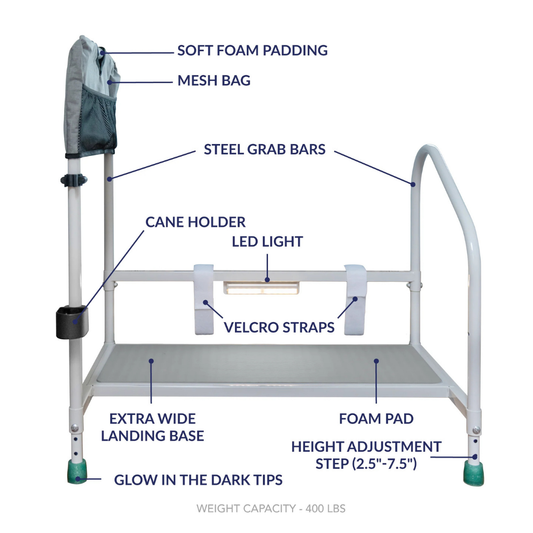
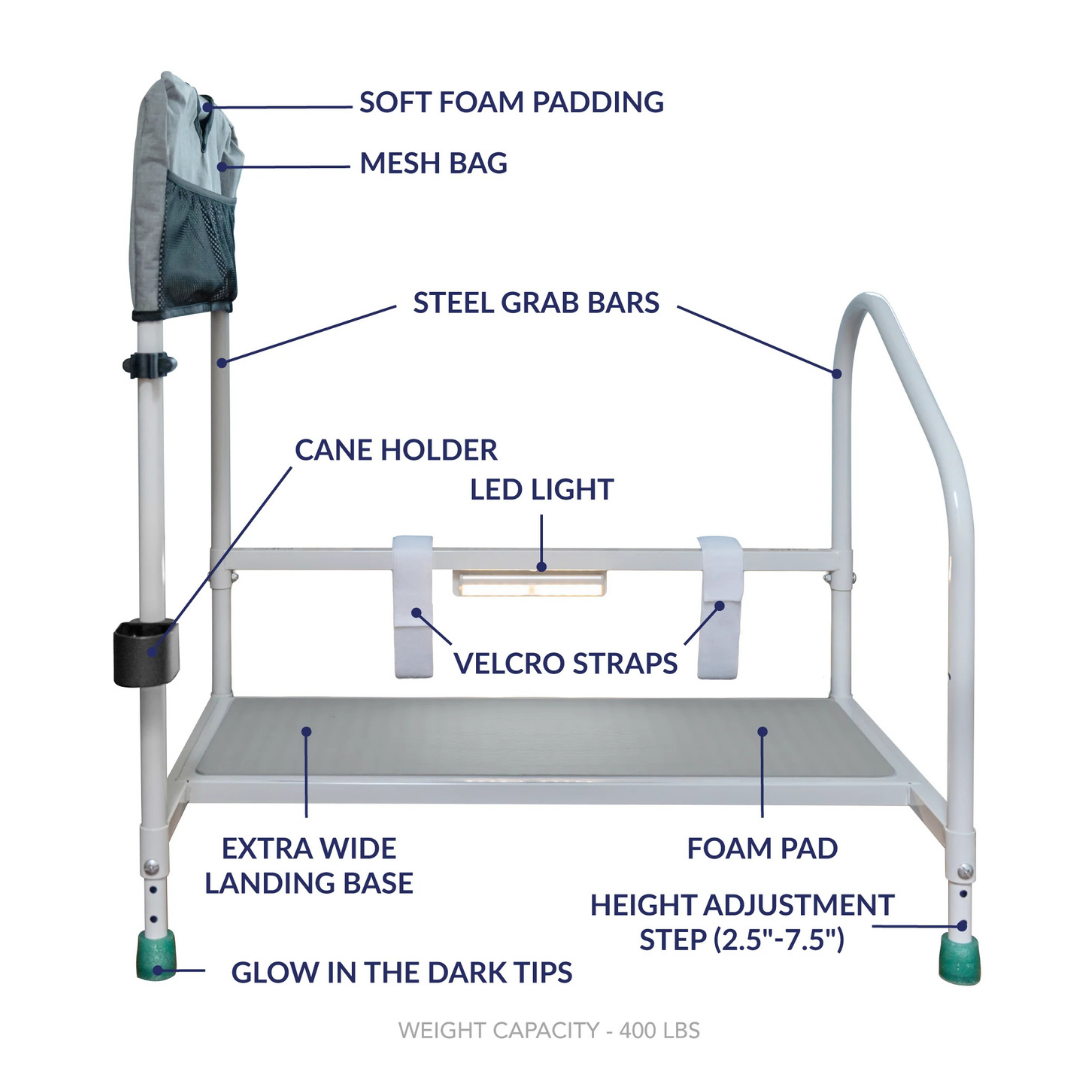
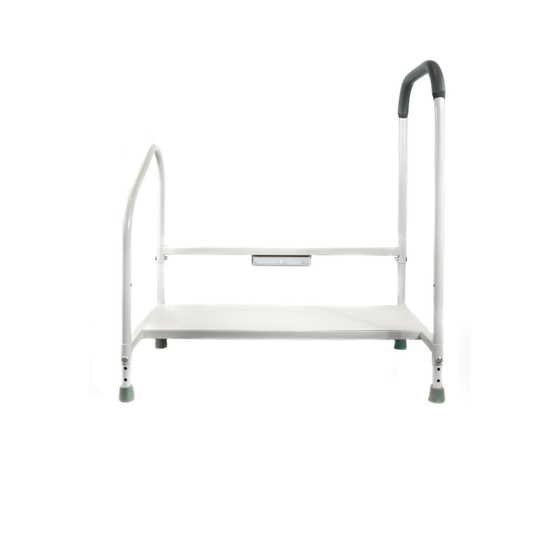
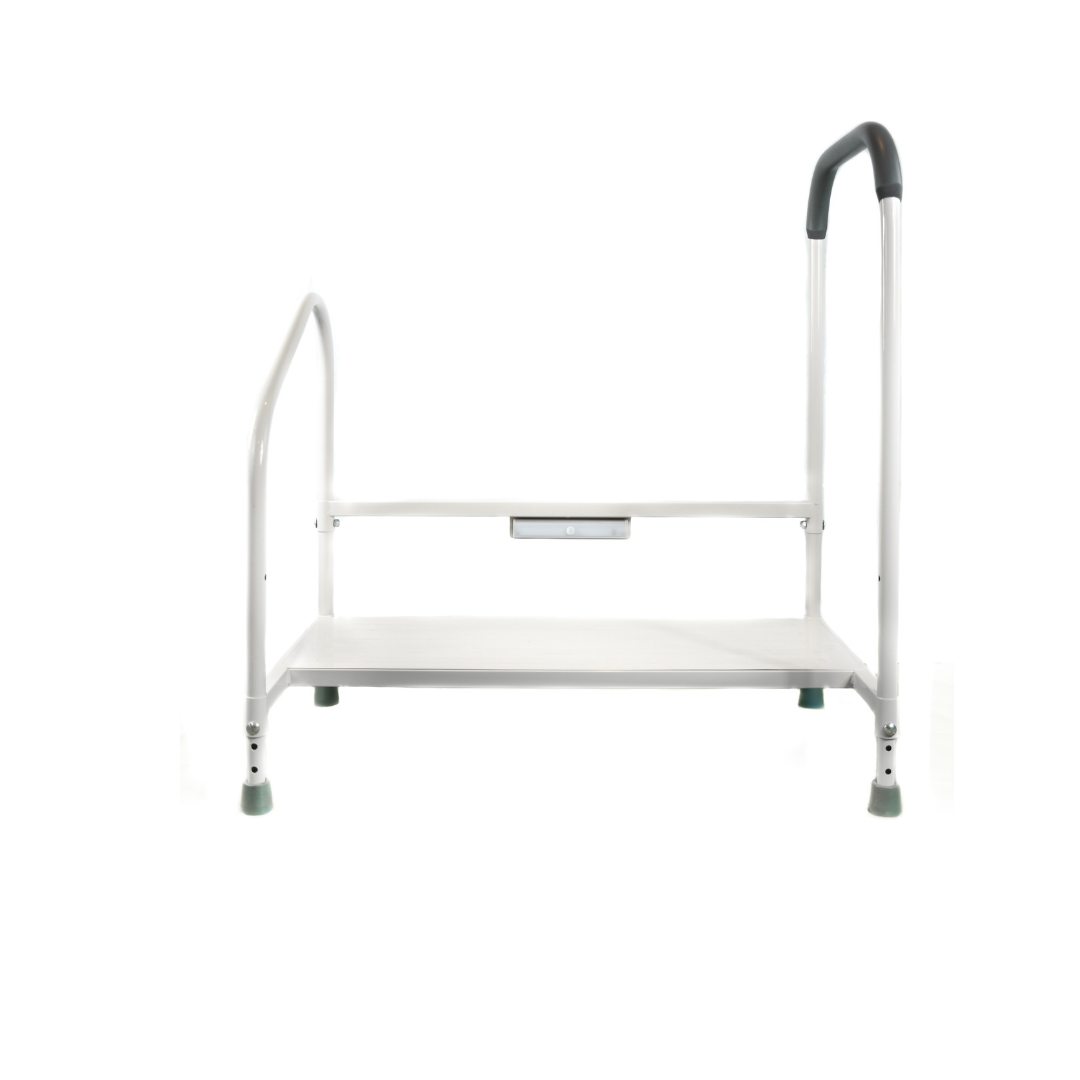
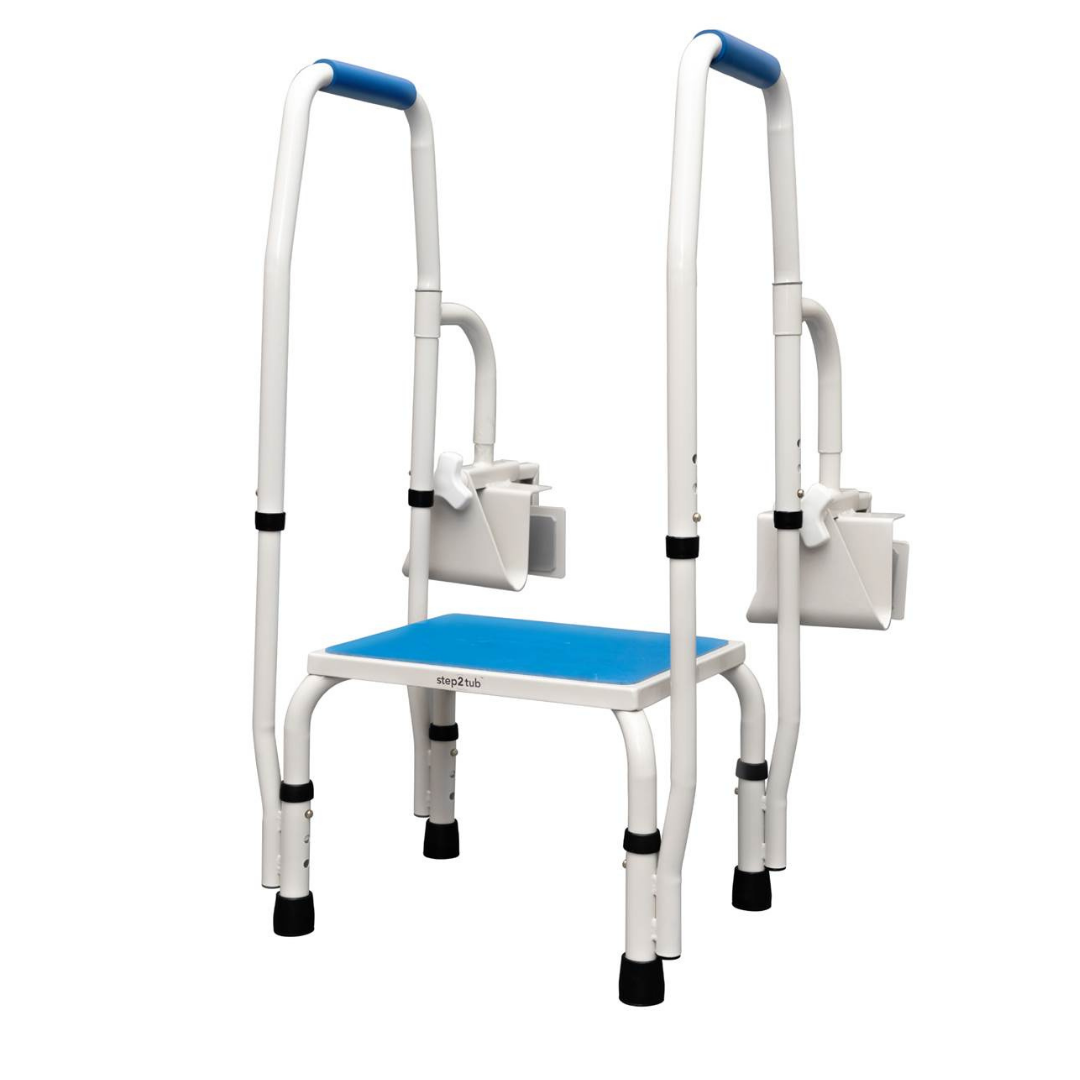
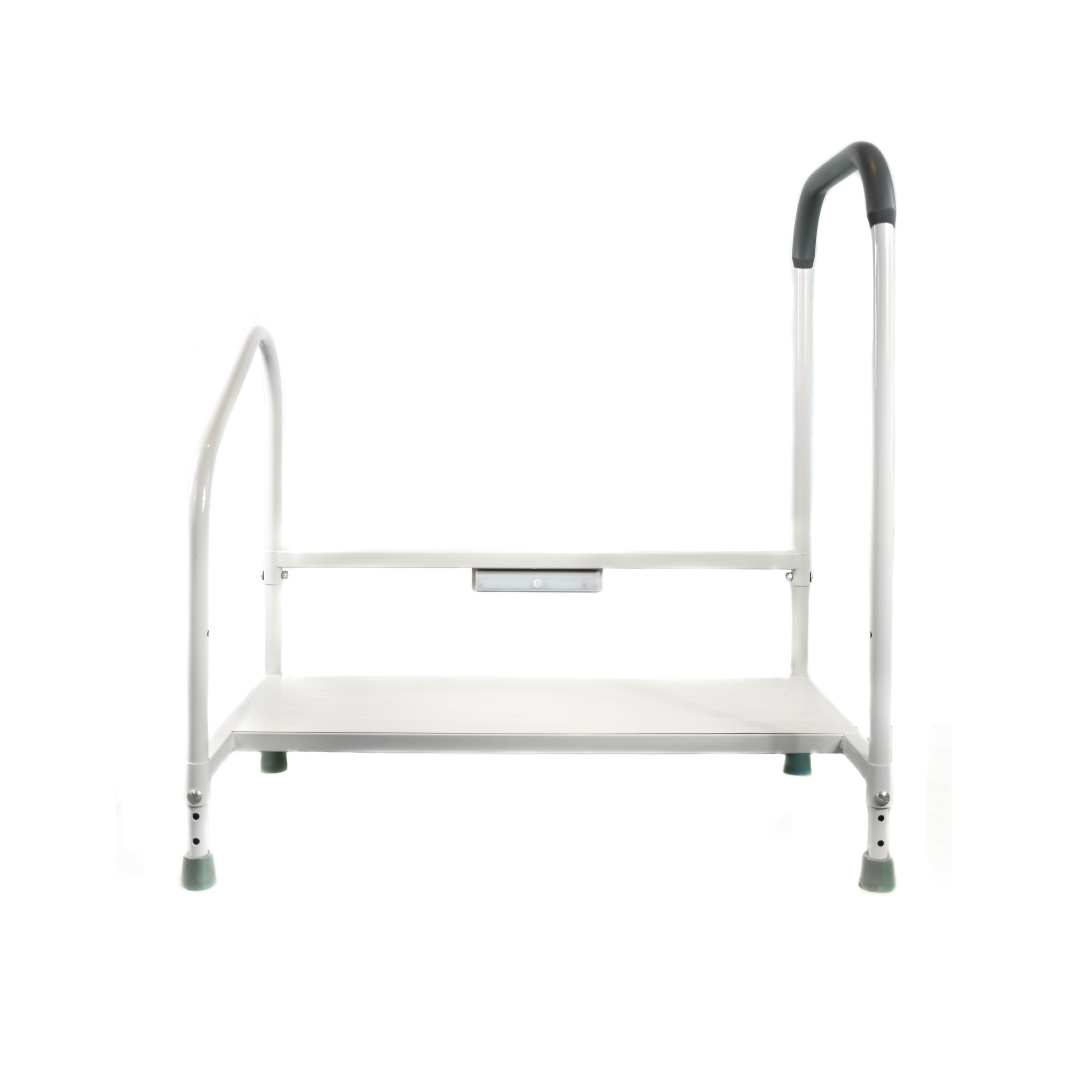
- Compatible accessories. Some families add raised seats or safety frames, so the toilet shape should allow that.
A toilet can be technically efficient and still be physically wrong for the person using it.
Safety note: If the user braces on vanity tops, towel bars, or unstable furniture while toileting, the bathroom needs support changes right away.
A practical checklist before you buy
Bring these questions into the decision:
- Can the user sit and stand without dropping too far down?
- Does the bowl shape give enough room for comfort and hygiene?
- Will the toilet work with grab bars, safety frames, or a raised seat if needed later?
- Does the bathroom leave enough room for a walker, wheelchair, or caregiver beside the toilet?
The best accessible toilet is the one that supports the person’s actual movement pattern. That includes how they approach, pivot, lower, clean up, and stand again.
Troubleshooting Common 1.6 GPF Toilet Issues
Even a good toilet can have problems. The goal isn’t to become a plumber. It’s to know which issues are minor, which are urgent, and which ones can make the bathroom unsafe if ignored.
A caregiver usually notices trouble early. The flush sounds weaker. The bowl doesn’t clear as well. The tank keeps running. Those signs are worth acting on before they turn into a bigger disruption.
If the toilet clogs more than expected
Not every clog means the toilet is defective. But repeated clogs can point to a design mismatch or a maintenance issue.
Modern 1.6 gpf toilets can reduce clog risk with a fully glazed 2-1/8-inch trapway and powerful siphon jet action, while a 16-1/2-inch rim height can also support easier use for mobility-impaired users, based on the same American Standard specification data referenced earlier.
That matters because smoother internal surfaces help waste pass through instead of catching on rough points.
Try these checks first:
- Look at use patterns. Extra paper, wipes, or incontinence products can overwhelm any toilet.
- Notice whether the problem is new. A toilet that once flushed well but now struggles may need repair rather than replacement.
- Watch the user’s safety. If someone has to lean forward, twist, or use a plunger often, the setup may no longer be workable.
If the tank keeps running or you spot water
A leaking toilet wastes water and can create slip hazards if water reaches the floor. Sometimes the fix is simple, such as a worn flapper or an adjustment inside the tank.
If you need a plain-language walkthrough, this practical guide on how to stop toilet leaking is a helpful reference for common causes and first steps.
Call a professional sooner if:
- Water is reaching the floor regularly
- The shutoff valve is hard to access
- The user depends on that bathroom and can’t be without it
- You suspect the toilet base is loose
If flushing feels physically difficult
Sometimes the issue isn’t plumbing. It’s reach, strength, or stability.
A user may say the toilet “isn’t working right” when using the lever, turning to wipe, or standing back up has become harder. That’s where support equipment can make a major difference. If the transfer itself is getting risky, review options like toilet supports for elderly users.
Don’t ignore workarounds. If someone uses the sink, wall, or tissue holder to push up, the bathroom is already telling you it needs a safer setup.
Making the Right Choice for Your Home
A good toilet choice comes down to a few practical questions.
Does the user need a simple, dependable single flush? Is the seat height right for painful knees or weak hips? Would an elongated bowl make transfers and hygiene easier? Will the bathroom support grab bars, a safety frame, or future changes if mobility declines?
If you’re also planning a broader bathroom update, it helps to understand the bigger budget picture before making layout decisions. This guide to remodeling bathroom cost can help you think through the scope of a renovation.
For many households, the best 1.6 gpf toilet is the one that balances reliable flushing, safer transfer height, and straightforward daily use. If support equipment may be part of the solution, this guide to choosing the right toilet safety frame for your home is a smart next step.
If you’re building a safer bathroom for yourself or someone you love, DME Superstore offers home accessibility equipment that supports comfort, transfers, and independent daily living, including bathroom safety products, bariatric solutions, and caregiver-friendly aids.

