1. Why is the U-Step easier to maneuver? +
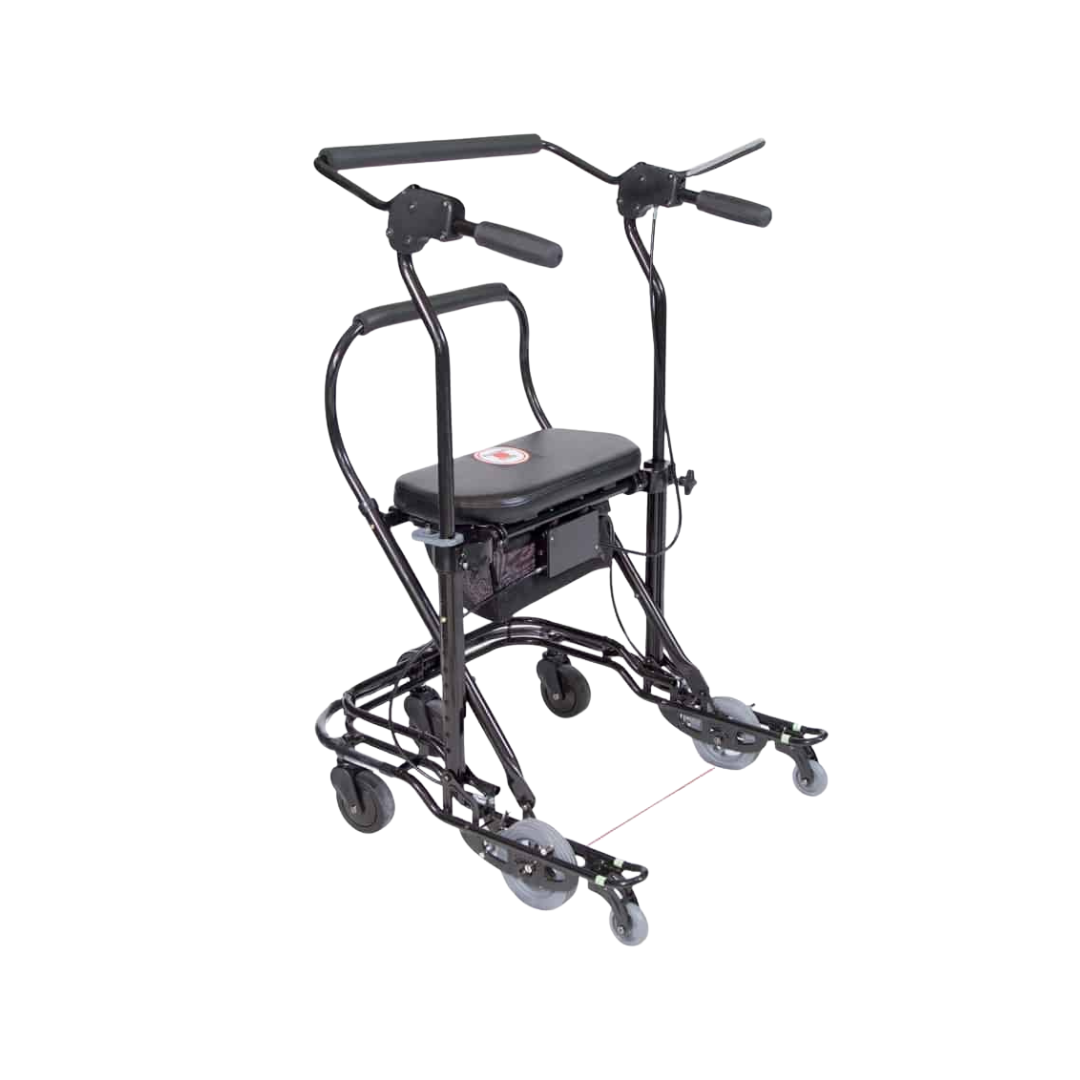
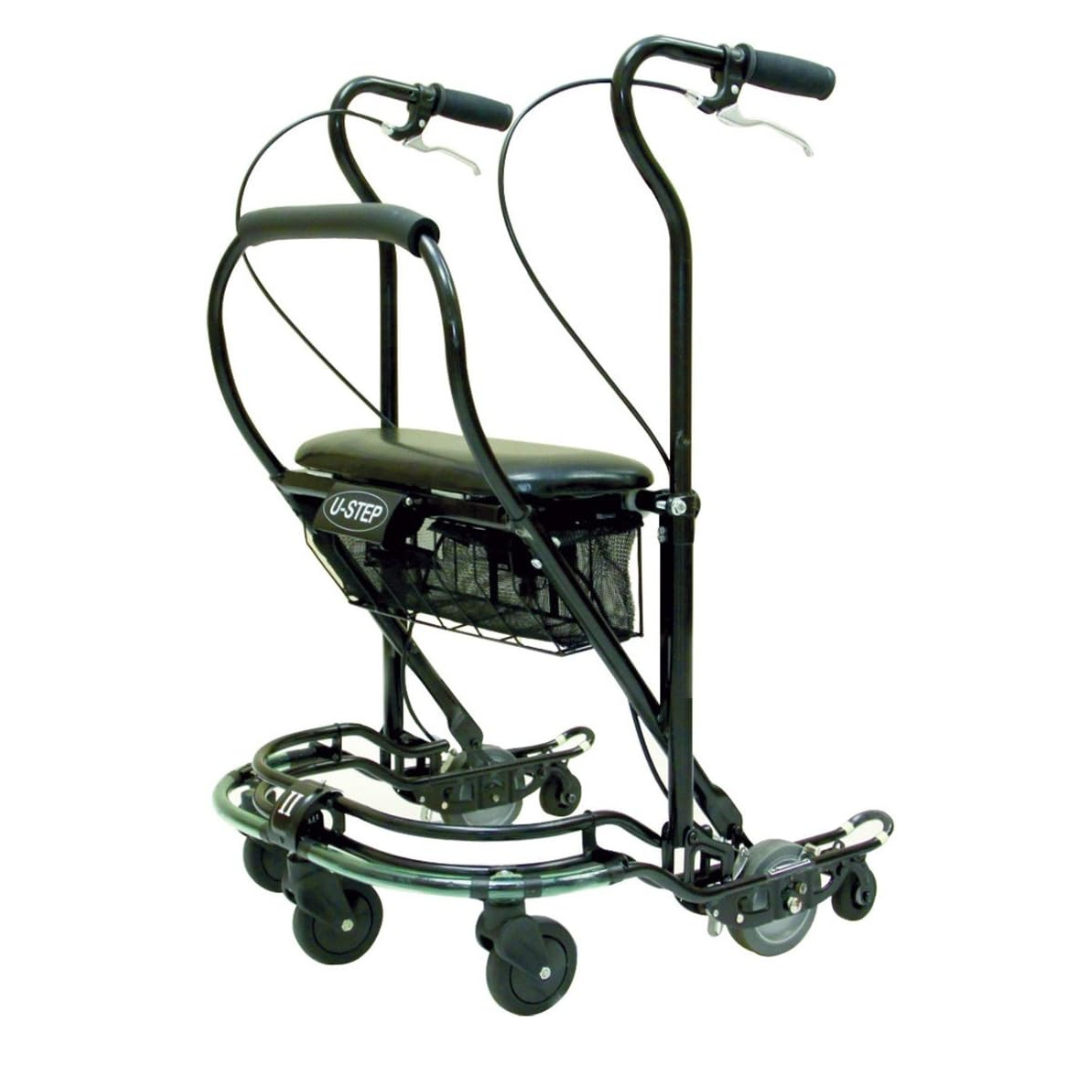
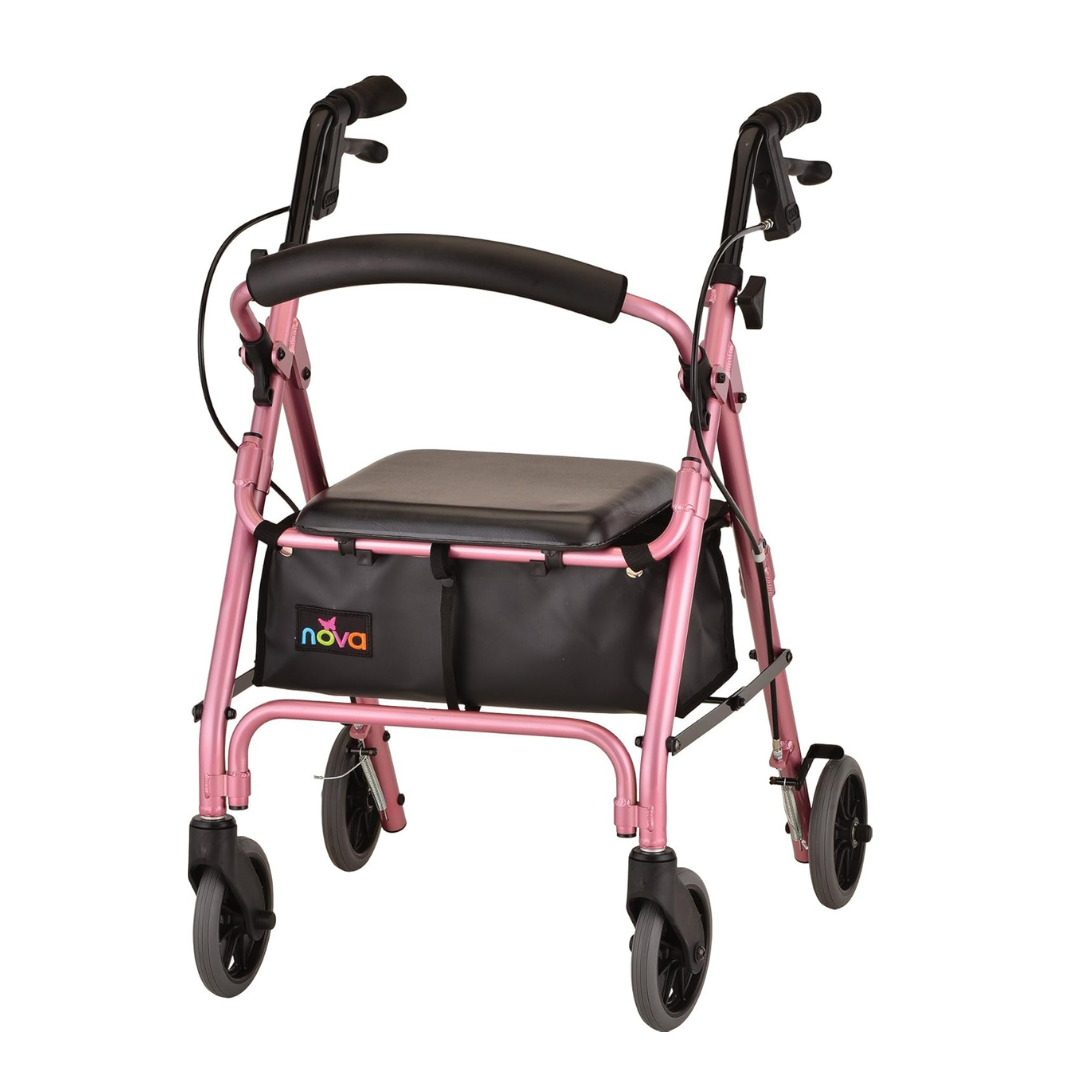
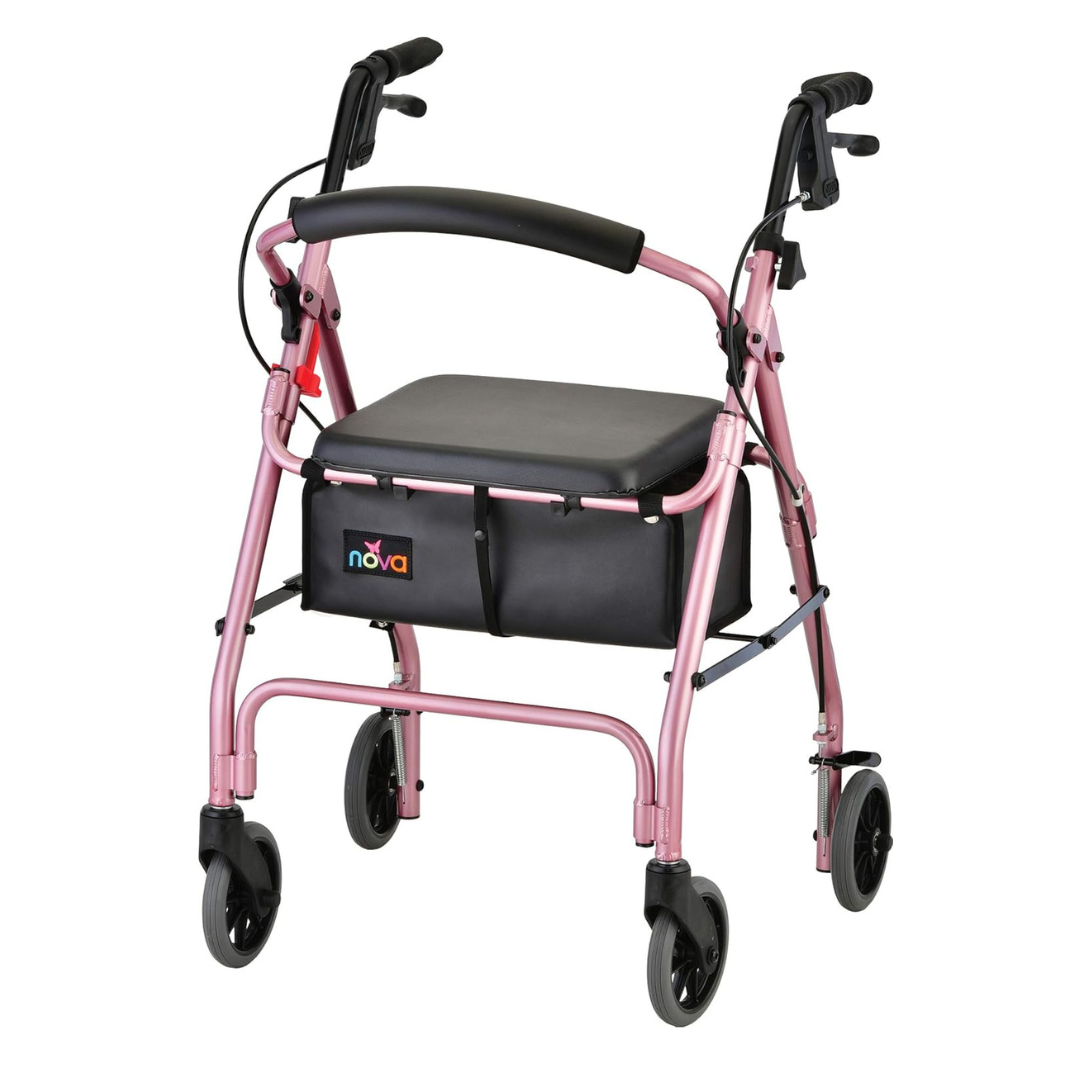
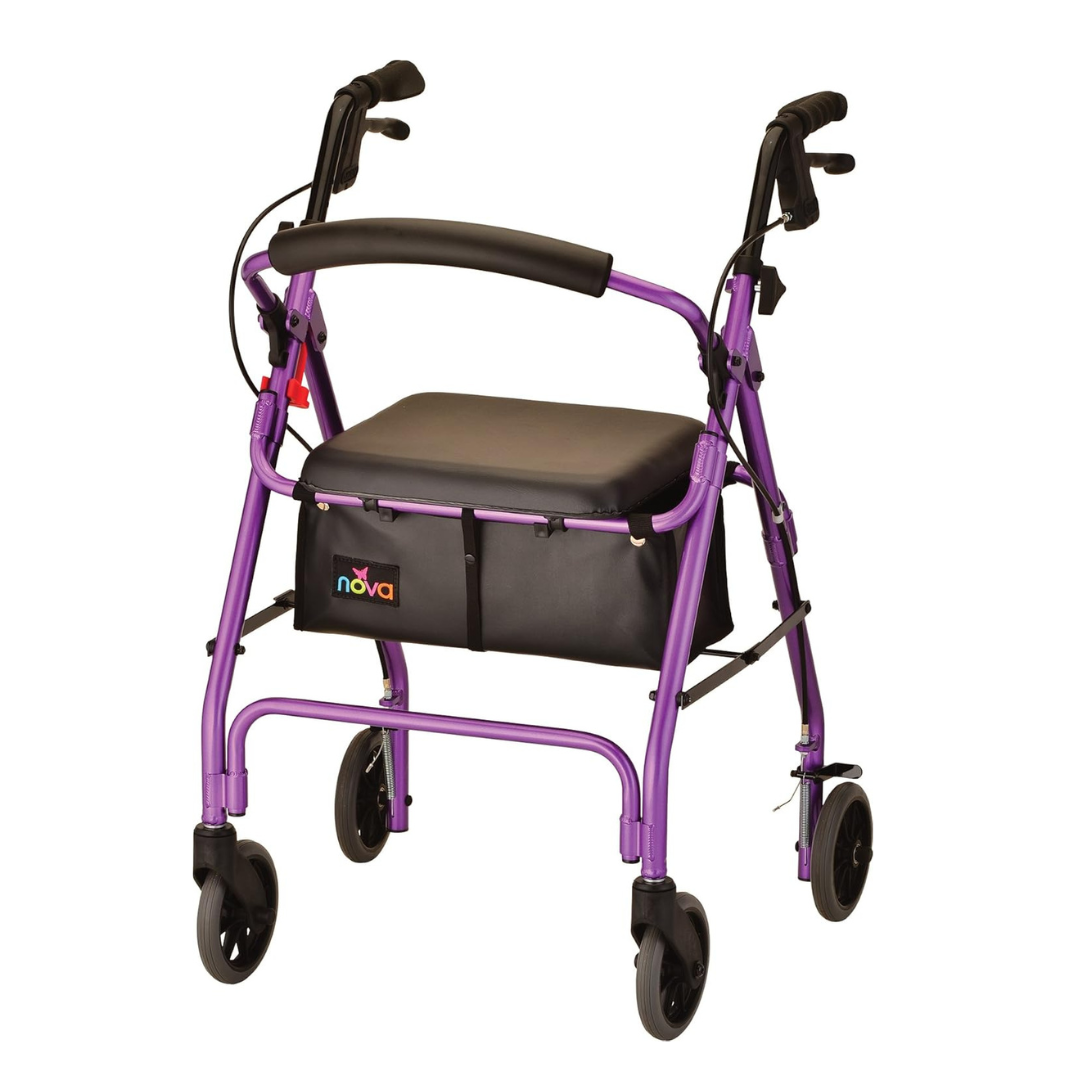
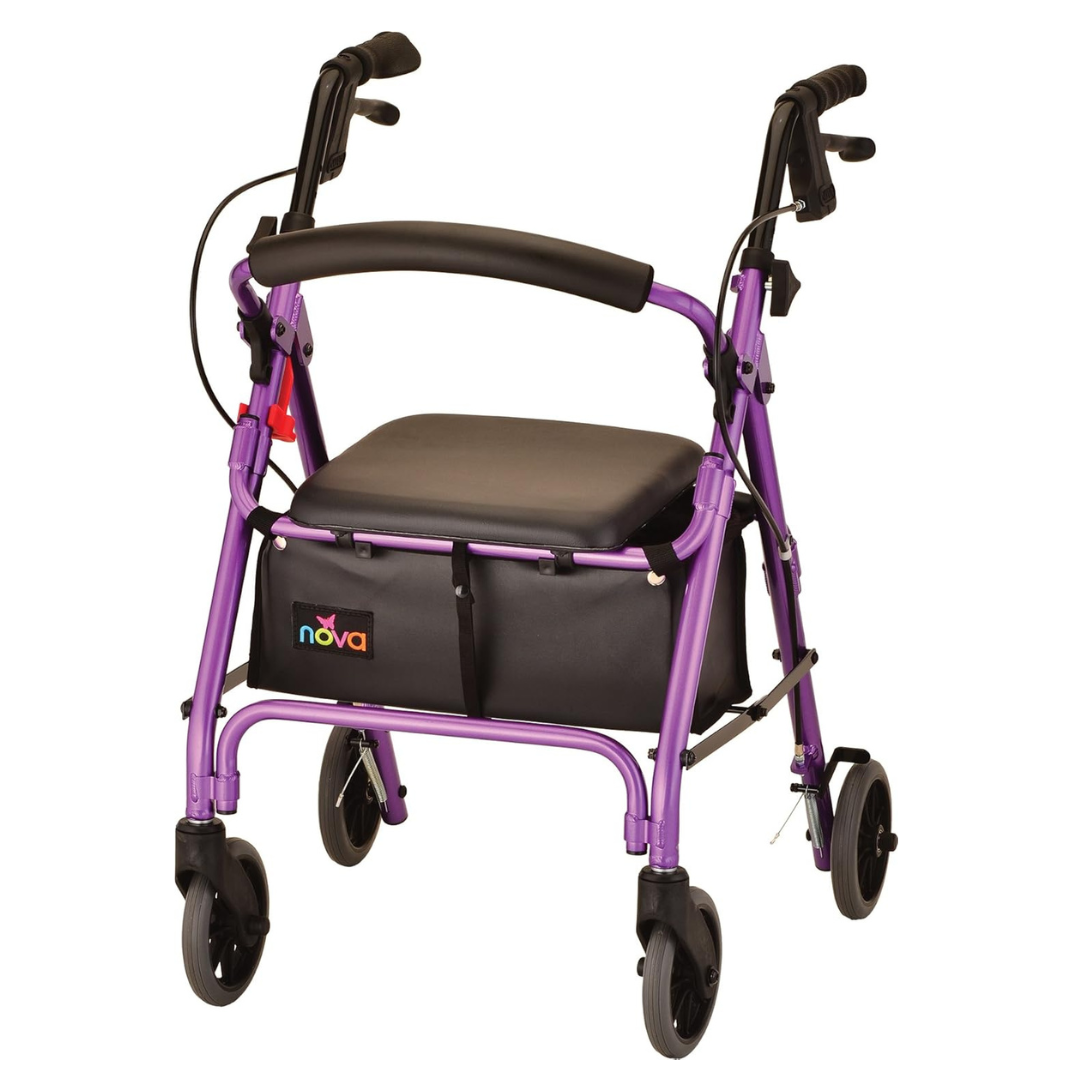
The U-Step Neuro Walking Stabilizer is engineered for maximum stability and control. Its seven-wheel design enables effortless swiveling and smoother handling over uneven terrain. The U-shaped base surrounds the user, encouraging an upright posture and reducing forward leaning while walking.
2. If the U-Step rolls so easily, might it roll away from me? +
No — two advanced safety systems prevent that. The reversed braking system uses a “pull-to-go” design: the walker only moves when the hand brakes are squeezed and stops instantly when released. Additionally, a rear-wheel friction control mechanism allows you to adjust rolling speed for comfort and confidence.
3. Is the U-Step only for Parkinson’s patients? +
While the U-Step is commonly used by people with Parkinson’s disease, it benefits anyone who needs added stability. It’s especially useful for individuals with multiple sclerosis (MS), stroke recovery, ataxia, or progressive supranuclear palsy (PSP).
4. How is the U-Step Neuro different from the original U-Step? +
The U-Step Neuro includes several upgrades: larger front casters for better handling on uneven terrain, a single-latch folding system (instead of dual levers), and a lighter frame — three pounds less than the original model. The U-shaped frame and overall stability remain unchanged.
5. Do I need the laser light option, and how does it help? +
The LaserLight Cueing Module helps users who experience freezing of gait, a symptom common in Parkinson’s disease. It projects a visible laser line on the floor as a visual cue to trigger movement and can include an optional auditory cue for rhythmic pacing and stride improvement.
6. Is the U-Step Neuro suitable for shorter individuals (around 4’9”)? +
Yes. A special frame option is available for shorter users, featuring a 19.5” seat height and lower handlebar range. It’s ideal for individuals whose lower leg length (heel to back of knee) is under 18”.
7. Is the U-Step Neuro suitable for taller users (around 6’5”)? +
Absolutely. An extended handlebar option increases the maximum grip height from 38” to 41”, and an optional larger seat provides added comfort for taller users.
8. Will Medicare or insurance cover the U-Step Neuro? +
Medicare reviews claims on a case-by-case basis. Coverage is typically available for individuals with severe neurological conditions or those who require one-handed operation. Many private insurance plans follow similar rules, but coverage varies depending on the provider and policy.
9. Do Medicare replacement plans cover the U-Step or U-Step Neuro? +
Most Medicare Advantage and replacement plans offer similar coverage, though some require purchasing through approved suppliers. For personalized help, contact In-Step Mobility at 1-800-558-7837.
10. The two rear wheels aren’t level with the others — is that normal? +
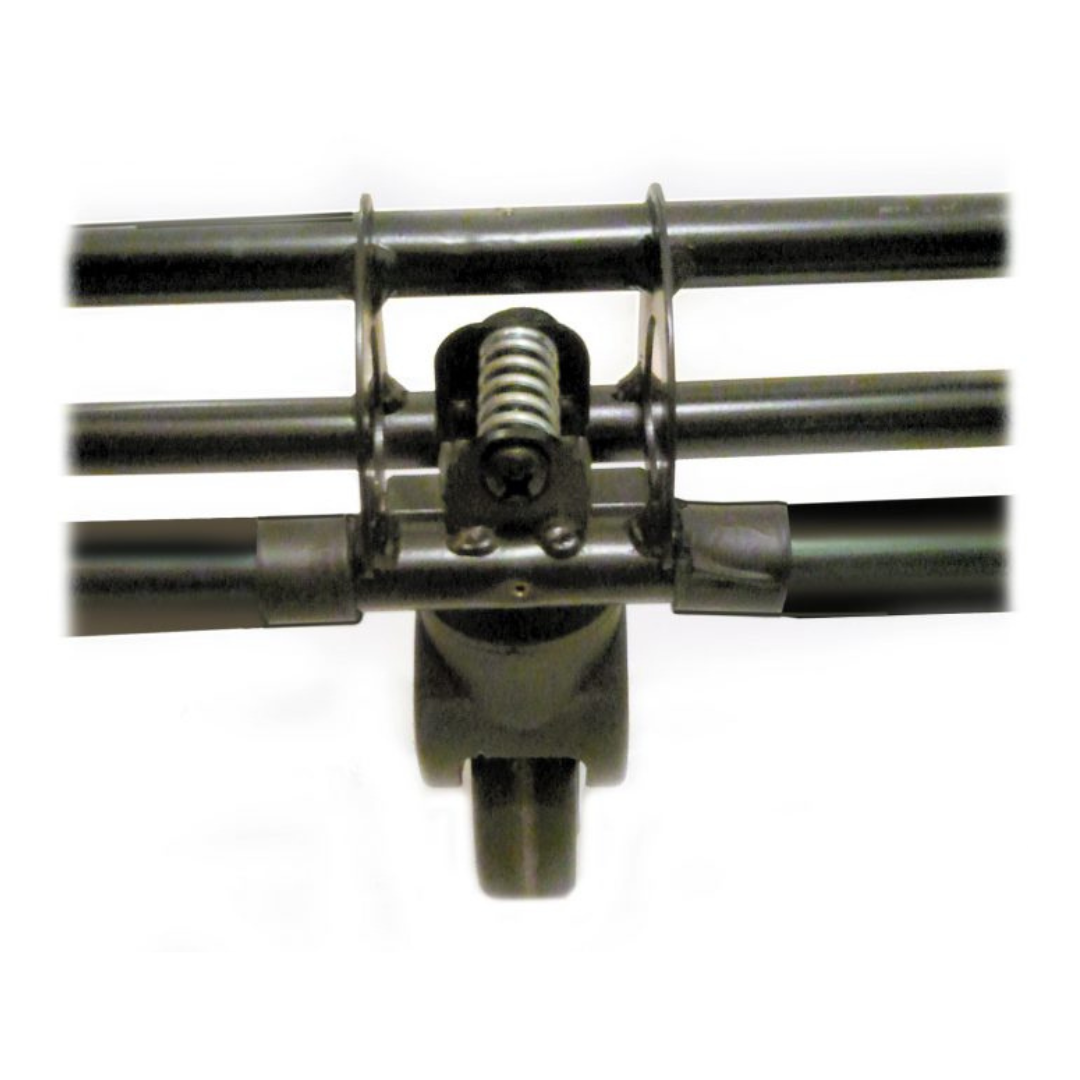
Yes. The rear spring-mounted wheels are intentionally elevated to stabilize you on ramps or uneven ground. The suspension can also be locked based on user preference or terrain type.
11. How do I replace the laser light batteries? +
The laser battery compartment is located inside the walker’s basket. Remove the cover and insert two AA alkaline batteries, ensuring correct polarity before closing.
12. How do I replace a caster wheel? +
Over time, debris like hair or carpet fibers can jam the caster wheels. Replacement wheels are available from In-Step Mobility. To replace one, gently tap the old wheel out with a hammer, then press or use a rubber mallet to secure the new wheel firmly in place.